
Welcome, fellow adventurers, to this special guide on traveling to Egypt.
If you’ve read my other destination guides, you know how much I love exploring new places and sharing my experiences and lessons learned with fellow travelers. But nothing compares to my passion for Ancient Egypt, which is why, as of today, I have visited twice and am currently planning a third trip.
To mark the 15th anniversary of my first journey to Egypt, I’ve compiled this comprehensive travel guide, featuring everything you need to know about visiting one of the most extraordinary places on Earth. Here, I’ll not only highlight key factors every traveler should consider when planning a trip, but I’ll also share invaluable lessons learned from my two unforgettable visits.
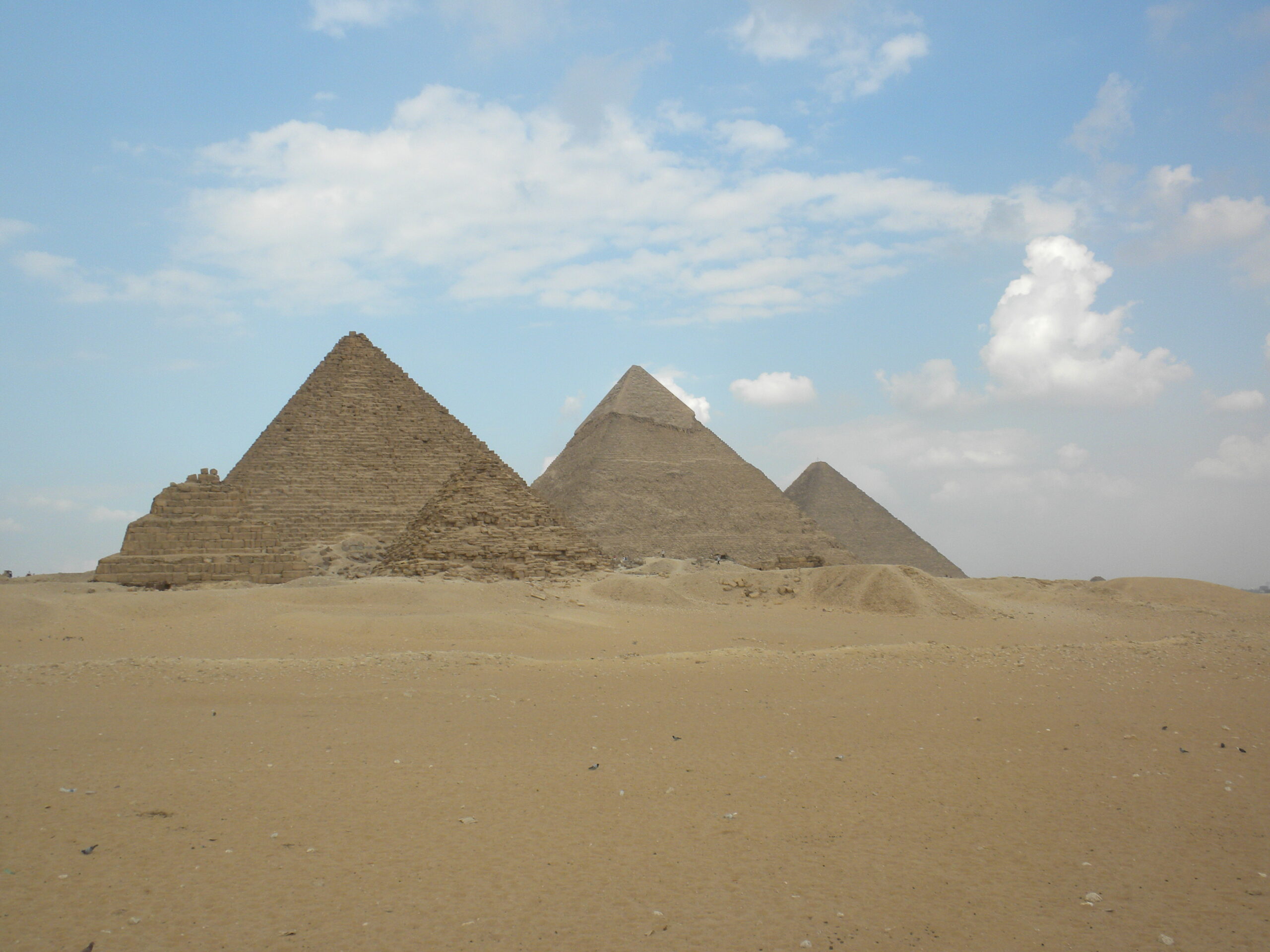
Why should you visit Egypt? Egypt is a country that will capture your imagination and steal your heart. It’s home to the only remaining wonder of the ancient world—the Great Pyramids of Giza. Words can’t describe the feeling of standing before them for the first time: marveling at their immense size, touching the weathered limestone blocks, and climbing the ramp to enter one of their hidden chambers. You’ll be in awe time and again as you explore the temples and other tombs, their vivid colors and intricate carvings making it feel as if time stood still.
And that’s just the beginning of your journey. Egypt is a country filled with natural wonders and beauty – rolling dunes, beautiful desert flowers, rugged cliffs, vibrant blue lakes and rivers, pristine beach sands, and, best of all, breathtaking sunsets. Add to that the warmth and humor of the Egyptian people, and it’s easy to see why so many fall in love with this remarkable country.
From Egypt’s awe-inspiring temples and tombs to the majestic Nile that carries you through the heart of the country, Egypt promises memories to last a lifetime.
The Ancient Egyptian civilization is generally considered to have begun around 3100 B.C. when King Narmer (often identified with Menes) united the Kingdoms of Upper and Lower Egypt. The Upper Kingdom was located in southern Egypt, whereas the Lower Kingdom was situated in northern Egypt. While it may seem illogical, the names were based on the Nile River’s northward flow; the Upper Kingdom being upstream and the Lower Kingdom being downstream.
My Egypt Story
I can’t pinpoint what planted the seed that blossomed into a strong passion for Ancient Egypt, but it is a story that spans decades. For as long as I can remember, I have been captivated by Ancient Egypt: its fascinating history, temples and tombs, the symbols hidden in hieroglyphs, and the legends behind its greatest pharaohs. I once hoped to pursue a career in Egyptology, but life had other plans and led me down a different path. However, that did not stop me from spending years reading countless books and watching hundreds of documentaries, teaching myself everything I could about Ancient Egypt and even how to read hieroglyphs.
In 2010, my dreams became a reality when I traveled to Egypt and spent an incredible week exploring many of its most significant sites. That journey further fueled my love for Ancient Egypt, and eight years later, in 2018, I returned, spending two weeks on what was an incredibly memorable trip. Now, with the opening of the Grand Egyptian Museum, I am planning a third trip, not only to see that museum, but also to visit cities like Abydos and Dahshur and explore more of the Nubian region in southern Egypt.
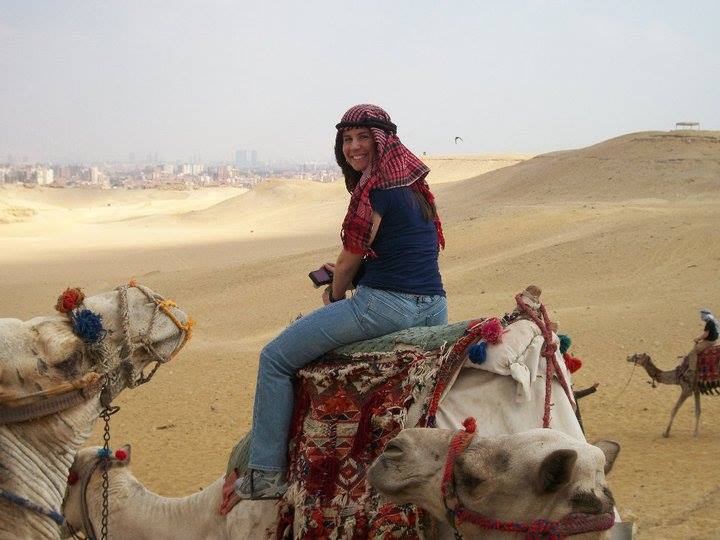
Altogether, I’ve been to 11 cities, entered two of the pyramids at Giza (Khafre’s and Menkaure’s), visited nine temples, explored seven tombs in the Valley of the Kings, cruised and sailed the Nile River, seen the mummies of some of Egypt’s greatest pharaohs, and so much more. On my first trip, I also survived riding a camel, and that was quite the experience!
NOTE: This guide provides a general overview of what every traveler needs to know and consider when planning a trip to Egypt. For more in-depth coverage of Egypt’s sites, visit Temples, Tombs, & Touts, a blog I published after my 2018 trip. Each site post covers the history, fast facts, and tips to make the most of your visit. You’ll also find posts offering detailed expense reports, packing recommendations, and other helpful insights. The blog is a great companion resource for those planning a trip or simply wanting to delve deeper into Egypt’s ancient wonders.
The term pharaoh is derived from an Ancient Egyptian word meaning great house. Initially, the term referred to the royal palace, but later, during the 18th Dynasty of the New Kingdom, it came to represent an Ancient Egyptian king. These kings had 5 titles, which were as follows: Son of Ra (the nomen or birth name); He of the Sedge and the Bee (the prenomen or throne name); Horus name; Golden Horus name; and Nebty name (He of the Two Ladies). When you visit temples and museums in Egypt, you’ll often see these different names carved into cartouches or listed on site labels.
All You Need to Know About Traveling to Egypt
Addressing Common Questions
Fellow adventurers, before we begin our journey through Egypt, let’s address a few common questions and concerns that travelers often have.
Is Egypt just temples and tombs? No, there is so much more to Egypt than the Pyramids and myriad of temples. In Cairo, travelers will discover vibrant markets, fascinating museums, beautiful mosques, synagogues, and Coptic churches, along with a range of cultural experiences, including music and theater. Sitting along the Mediterranean coast, Alexandria offers a glimpse into Egypt’s Greco-Roman past, with sites such as the Catacombs of Kom el Shoqafa and the remnants of its once-mighty lighthouse. On the Red Sea, places such as Sharm el-Sheikh and Hurghada are a traveler’s paradise with opportunities to dive, snorkel, and parasail. Out in the western desert, adventurers can ride ATVs across the dunes or camp under the Saharan skies.
Is Egypt safe? Overall, Egypt is a generally safe country, especially in areas frequented by tourists. These include the cities of Cairo, Alexandria, Luxor, Aswan, Giza, Sharm el-Sheikh, and Hurghada. It is strongly recommended that tourists avoid visiting the Sinai Peninsula, except for the resort areas in Sharm el-Sheikh, and travel only to the western portion of the country with a reputable guide or tour group. For the latest security information, always check your government’s official travel advisories in addition to blog posts and tour company updates.
Between the two trips, I have spent a total of 3 weeks in Egypt, and I never felt unsafe. Both trips were with a tour group, but when we had free time, I would wander around the sites on my own. I also felt safe in the hotels and on the Nile cruises. Like with any destination, always be mindful of standard safety practices.
Is Egypt safe for women? Yes, many women travel to Egypt, but it requires careful planning and a confident, assertive approach. While solo travel is feasible, it’s highly recommended that women consider hiring a private guide, both for navigating specific sites and ensuring safe transportation between cities. Alexandria and Cairo are more modern cities, making it easier for women to travel independently, but towns in southern Egypt and rural villages tend to follow more traditional customs and norms. As such, solo female travelers may find it more comfortable to visit those regions with a guide or as part of a tour group.

In Cairo, the metro has cars designated as “women only”. This is a great option that provides a safer environment and reduces harassment.
The reason I emphasize being assertive is that many men in Egypt tend to be overfriendly and flirtatious. While it’s often harmless banter, it’s still important to set clear boundaries for your comfort and safety. My second trip was better in that regard, whereas on my first trip, I lost count of the marriage proposals. One man even offered to marry me for 247 camels (I’m still not sure whether that was a fair price or a bargain)!

Check out my guide “Guide to Empower Women to be Successful Solo Female Travelers” for valuable insights and helpful information on traveling as a solo female traveler.

Ancient Egyptian kings are categorized into dynasties, a system developed around 300 BC by an Egyptian priest named Manetho. These dynasties are grouped into kingdoms and intermediate periods, with the intermediate periods marking times of political instability. The Old Kingdom was the golden age of pyramid building, while the New Kingdom saw the reigns of some of Egypt’s most famous pharaohs, including Thutmose III, Tutankhamun, and Ramesses II.
Setting Expectations
The first step to a successful trip to Egypt is setting realistic expectations and preparing for culture shock. After reading other travel blogs, trip reviews, and social media comments, it’s clear that many negative experiences stem from travelers who arrived with unrealistic expectations and did little to no research before their trip.
While Egypt continues to make great strides in improving its infrastructure and public transportation, both can still be inconsistent at times, and delays or crowding on buses and trains are common. Also, as a developing country, poverty is prevalent in some regions of the country. Cities such as Luxor, which rely heavily on agriculture and tourism, often reflect this economic hardship. For some visitors, this can come as a surprise, but it also serves as a meaningful reminder of the resilience of the Egyptian people.
Another aspect that often catches visitors by surprise is the touts and haggling. Touts are the vendors you’ll encounter at the various sites, selling everything from trinkets and scarves to camel rides and carriage tours. Most are respectful and will move on after a polite “la shukran“ (no, thank you), while others can be a bit persistent. It might feel overwhelming at times, but it’s all part of the Egyptian experience. In markets such as the Khan el-Khalili, you’ll also notice the absence of price tags, as haggling is expected! Don’t worry if you’re new to haggling; most vendors treat bargaining as good-natured fun, and you can always walk away if you’re not happy with the price.
If you’re traveling with a guide, ask them for advice on what’s considered a fair price range before visiting a market. Their insight will help you haggle smarter and avoid overpaying.
My best advice is to visit Egypt with an open mind and heart, and you’re bound to have an incredible time and experience a fascinating culture. Egypt is a truly beautiful country, filled with kind and welcoming people, stunning sites, and delicious food.
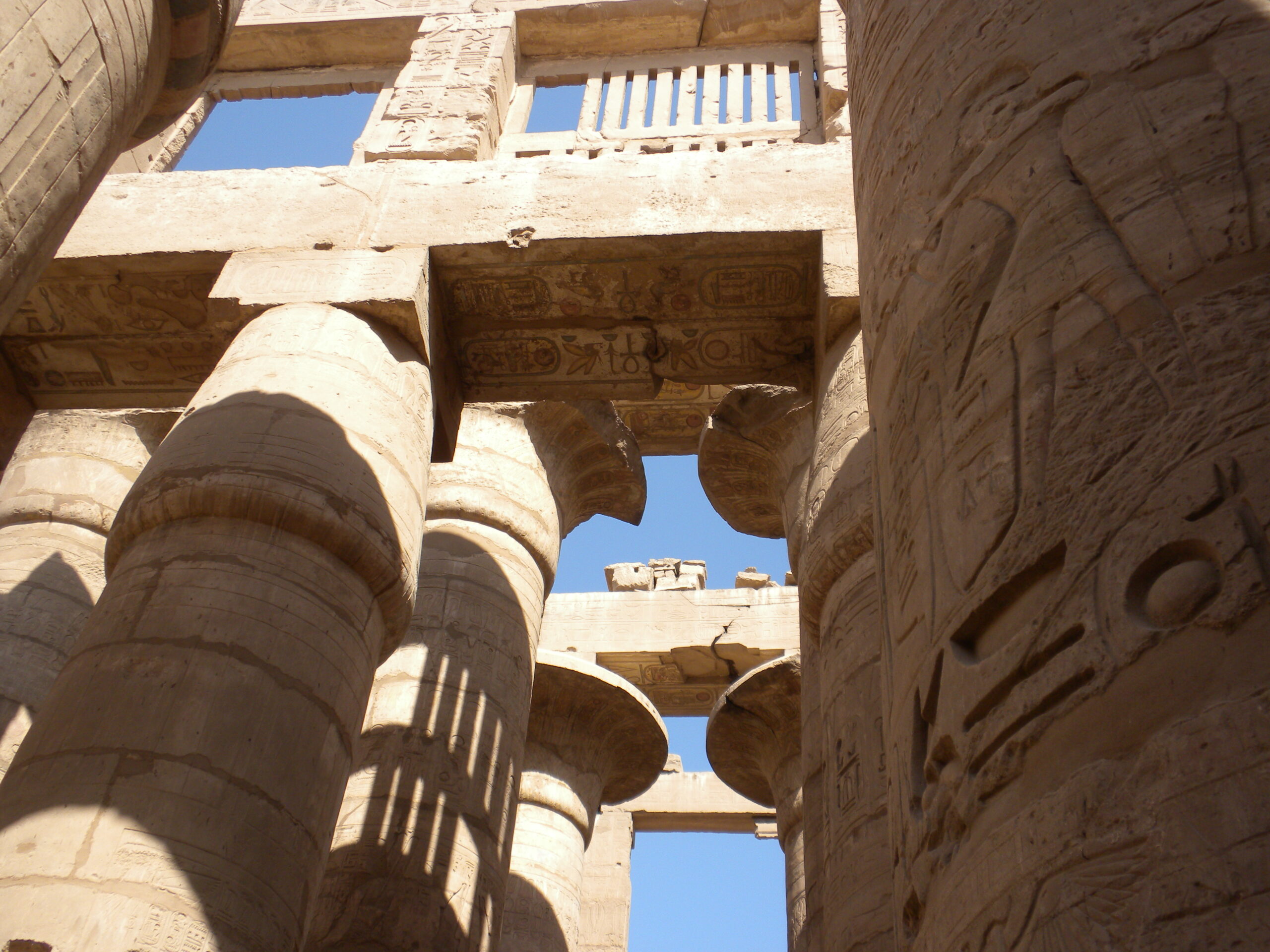
In Ancient Egypt, the formal writing system was hieroglyphs, a term derived from the Ancient Greek word hieroglyphikos, meaning sacred carving. This writing system, used for thousands of years, consisted of symbols representing objects, sounds, and words. After the fall of the Ancient Egyptian civilization, hieroglyphs remained a mystery until the discovery of the Rosetta Stone (1799), which, later in 1822, Jean-François Champollion would use in deciphering its symbols. Once hieroglyphs were deciphered, scholars could finally read the inscriptions found in temples and tombs.
Best Time to Go
When deciding the best time to travel to Egypt, three key factors to consider are weather, crowds, and religious holidays.
Weather: Being a desert country, Egypt can get extremely hot in the summer, and many major tourist sites offer little to no shade. Winters, on the other hand, can be surprisingly chilly. My first trip to Egypt was between late October and early November, and the weather was perfect – warm and sunny during the day, and cool in the evenings with a lovely desert breeze. For my second trip, which took place in mid-January, I turned into a popsicle! Daytime temperatures ranged from 50°F to 60°F, while nighttime temperatures dipped into the 40s. On most days, a strong desert wind made it feel even colder. During my first trip, I spent the evenings stargazing on the top deck of the Nile Cruise, but on my more recent trip, I stayed inside and bundled up!
Funny aside: During my second trip to Egypt, due to the cold weather, our group was greeted at several sites by vendors calling out, “Welcome to Alaska!” Egyptians definitely have a great sense of humor!
Travelers visiting Egypt primarily for sightseeing should consider going in the spring (March and April) or fall (October and November) for the best weather conditions. Those planning to relax on the beaches of Sharm el-Sheikh or Hurghada or participate in water activities, then the summer months are ideal.
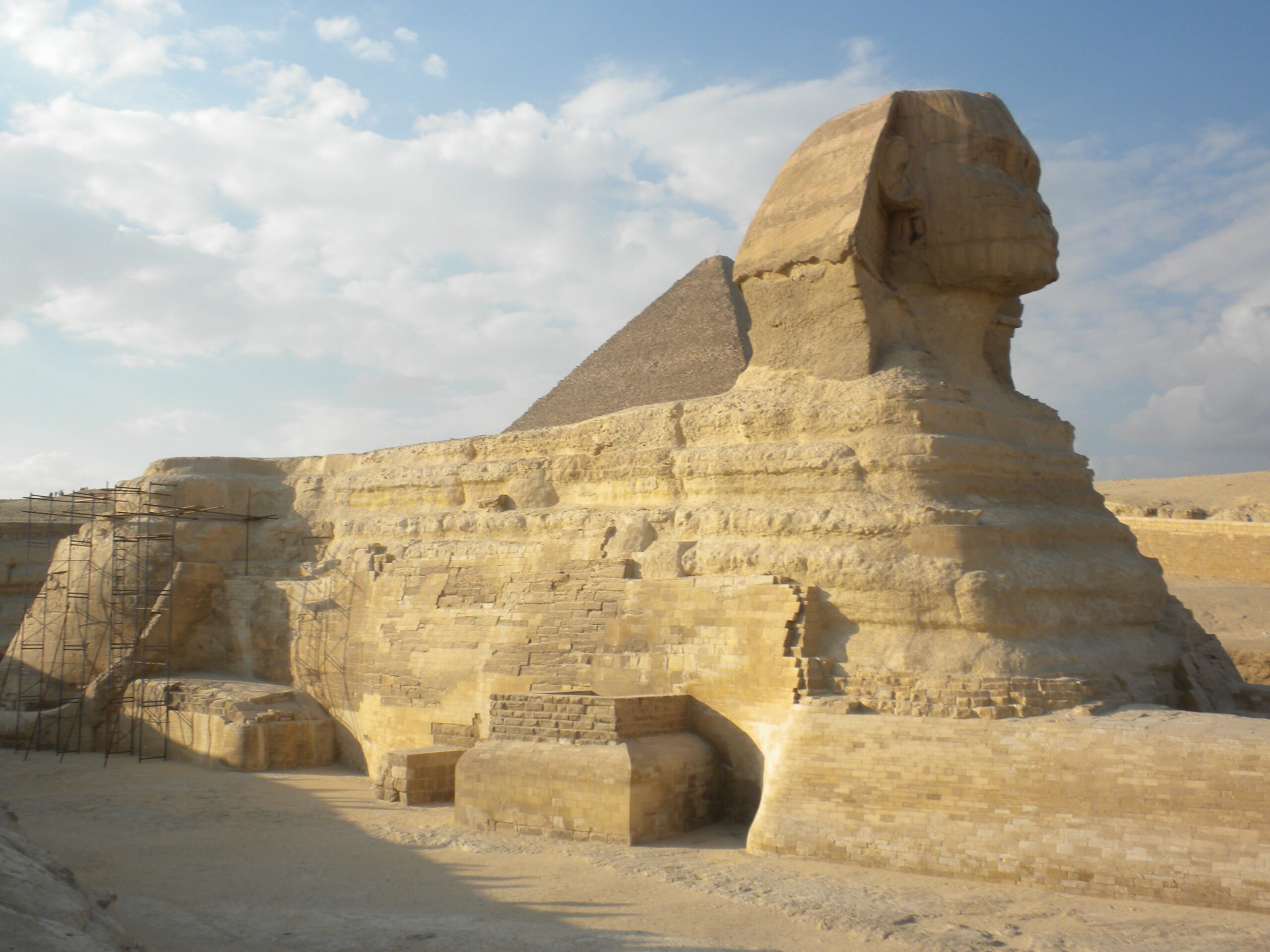
Crowds: Egypt’s peak travel season runs from October through April, thanks to the pleasant weather. During my first trip, I didn’t encounter major crowds at most sites. However, on my second trip, there were noticeably more visitors, which somewhat impacted the experience. The area around the Sphinx at the Giza Plateau was incredibly hectic – no crowd management, so it was insanely packed! In southern Egypt, crowds were quite large at the Temple of Edfu, the Karnak Temple Complex, and the botanical gardens on Kitchener Island.
Our guide shared with the group that Egyptian schools have a winter break in mid-January, which explained the crowds and the many local families on our Nile Cruise. Keep that fact in mind if you’re considering winter travel!
Religious Holidays: A significant religious holiday in Egypt is Ramadan, celebrated in the 9th month of the Islamic calendar. During this time, many businesses, government offices, and even tourist sites may either be closed or operate on a reduced schedule. The three-day religious celebrations of Eid al-Fitr and Eid al-Adha can also impact operating schedules, so always double-check holiday dates when planning your trip.
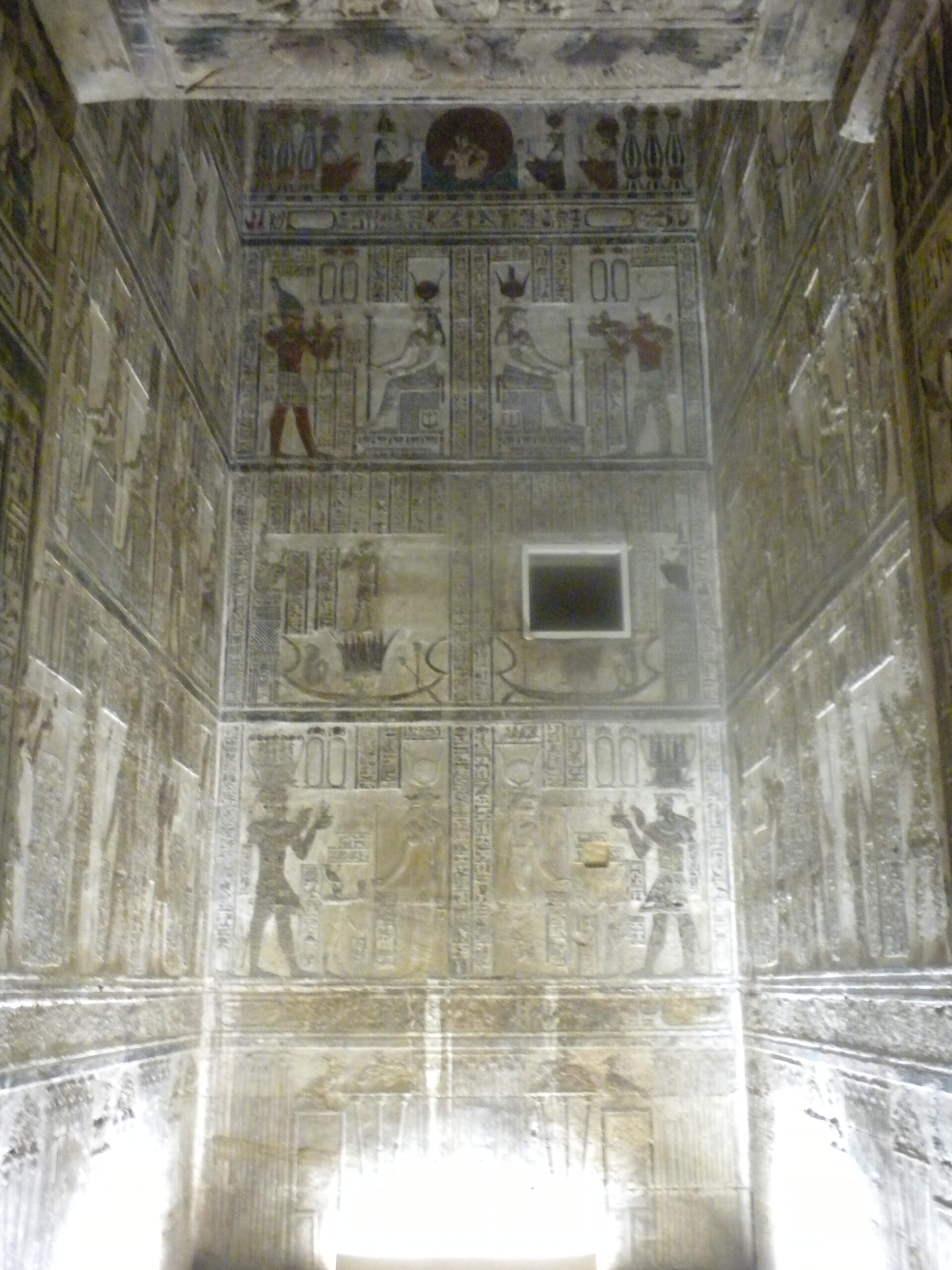
Ancient Egypt was a polytheistic society that worshipped a pantheon of gods and goddesses, believed to control various aspects of life and the natural world. Some of the more important gods and goddesses were the following: Osiris, Isis, Horus, Ra, Hathor, Nut, Anubis, and Thoth. During the 18th Dynasty, under the rule of the Pharaoh Akhenaten (King Tut’s father), Ancient Egypt experienced a brief period of monotheism, with Aten being the sole god.
Understanding the Culture
Egypt is a predominantly Muslim country, but compared to many countries in the Middle East, it does not impose strict rules on visitors. To begin with, there are no formal dress codes. Visitors are simply asked to be mindful of the country’s conservative nature and to dress modestly, especially when visiting mosques.
Between my two trips to Egypt, I visited three mosques in Cairo, and in each instance, women in my tour groups were asked to cover their shoulders and ensure that skirts, dresses, or shorts extended below the knee. Dressing modestly also helps minimize unwanted attention, something solo female travelers should keep in mind.
When it comes to alcohol, while Egypt is a Muslim nation, hotels, resorts, and restaurants that cater to tourists typically serve alcohol. However, it is illegal to carry or drink alcohol in public, and public intoxication can lead to serious legal consequences. During major religious holidays, such as Ramadan, the sale of alcohol may be restricted, even in tourist areas.
EgyptAir is typically a dry airline, meaning no alcohol is served on board.
One of the Five Pillars of Islam is Salah, or prayer, which is performed five times a day at set times. During these set times, a call to prayer is broadcast over loudspeakers, with its melodic chanting echoing across cities. Tourists may be startled the first time they hear it, but it’s an incredibly moving and unique cultural experience. Note that the first call to prayer occurs before sunrise.
Friday is the holy day of the week for Muslims, and marks the start of the Egyptian weekend. Some businesses may close in observation, but for the most part, major tourist sites remain open.
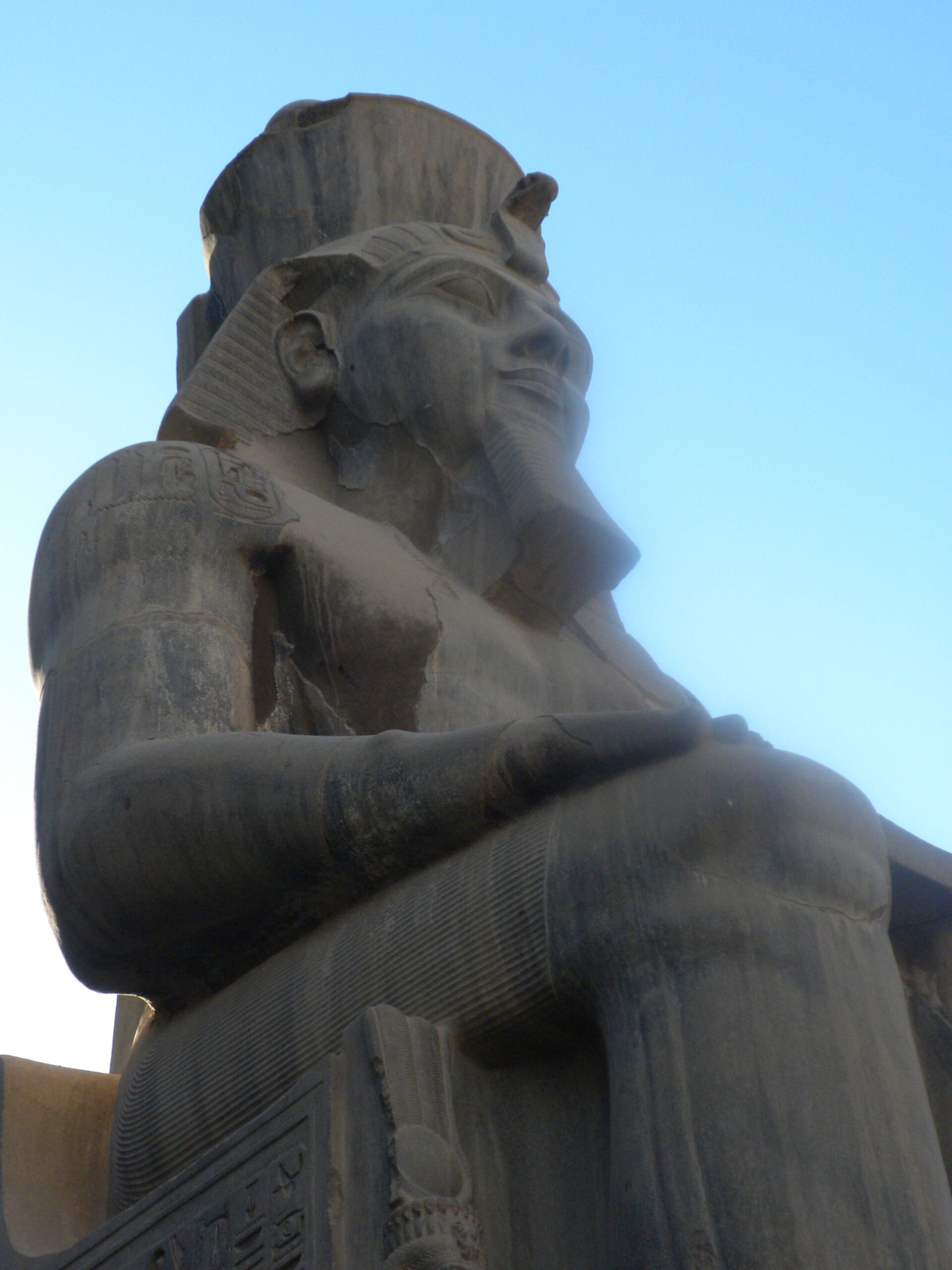
Life in Ancient Egypt centered around the Nile River, a primary source of water and transportation for its people. The main industry was agriculture, with farmers relying on the annual Nile flooding, which enriched the soil with silt. Most families lived in simple mudbrick structures and were sustained by a diet of bread, vegetables, and fish. In Ancient Egypt, women had the legal right to divorce, own property, and manage farms.
Travel Budget
Traveling can be expensive, but the great news is that Egypt is widely considered a budget-friendly destination, so even those on a shoestring budget can have an adventure of a lifetime. The most significant expense associated with a trip to Egypt is the international flight, but traveling during the shoulder or off-season may help you find lower-priced airfare.

A contributing factor to the lower cost of travel is that the Egyptian Pound (EGP) has been relatively weak against major currencies in recent years. Always check current rates when planning your budget.
In Egypt, a wide variety of lodging, transportation, and dining options are available to suit every budget and palate. And given its affordability, budget-conscious travelers can look beyond the standard hostel, as many 2-star and 3-star hotels are reasonably priced. If you’re interested in more amenities or views of the Nile, the Red Sea, or the Mediterranean, Egypt offers many 4-star and 5-star hotels that provide comfort and stunning vistas.
Those seeking something special will find numerous accommodations in Egypt that seamlessly blend culture, history, and the natural landscape to create a unique and unforgettable experience. In Giza, there are charming inns with views of the Pyramids. Out in the desert, travelers will discover cozy adobe-style lodging. And those interested in history would love the Old Cataract Hotel in Aswan, whose notable guests have included Tsar Nicholas II, Winston Churchill, Howard Carter, Margaret Thatcher, and Agatha Christie (she wrote Death on the Nile while lodging there).
When it comes to transportation, metered taxis, ride-share services, and private transfers are the most effective ways to navigate a city. For travel between cities, while buses are available, I recommend either the train or a domestic flight. Egypt does have a few low-cost carriers, so budget travelers short on time can catch an affordable flight to the next city, especially if they book in advance. As for trains, on my first trip to Egypt, the tour group took the overnight train from Cairo to Aswan, and although the journey was less than glamorous, the bed was comfortable and the service was decent (meals are usually provided in this service).
As for food, the options are limitless. At nearly every corner, you’ll find a food stall or local café selling traditional cuisine, such as falafel and shawarma, for a few Egyptian Pounds. Sit-down restaurants offer a range of dining options, from simple, home-cooked meals to upscale, elegant Egyptian and international cuisines. And those craving a taste of home, there are plenty of McDonald’s, KFCs, and Pizza Huts, including one with views of the Pyramids!

Travelers interested in participating in a tour will find an endless array of options. Whether it is a local Egyptian tour company or a global one, you’re bound to find one that suits your budget and travel style. The key to finding an ideal tour that is worth the cost is to consider the following: included sites and activities, modes of transportation, and “cultural” experiences.
The first point is essential, as I have noticed that some lower-cost tours do not cover admission fees. Most sites in Egypt charge an admission fee, and a few also incur a transportation cost, as they can only be accessed by boat (the Philae Temple Complex is one example). So if you are interested in visiting the temples and tombs, paying those fees separately can really add up. Note that some activities, such as entering one of the Pyramids or certain tombs in the Valley of the Kings, incur an additional fee and are generally not included in the tour price.
In terms of modes of transportation, I am thinking along the lines of “time is money”. For example, if your trip to Egypt is only a week, you don’t want to spend your time on long bus or train rides (except the overnight train). Yes, tours that include domestic flights may cost a bit more, but in the end, it’ll be worth it as you’ll get to spend more time exploring the sites and not in transit.
Now to an important topic, “cultural” experiences. Many tours include visits to shops that are presented as cultural experiences, but in reality, they often resemble sales presentations followed by the expectation that you’ll make a purchase. This happened on my first trip to Egypt, and it was a less-than-ideal way to spend almost two hours. Sometimes, these experiences are not listed on the itinerary, so I recommend reaching out to the tour company to determine the likelihood that the tour will stop at one or several of these stores. With so much to see and do in Egypt, you’ll want to invest in a tour that makes the most of your money by taking you to the sites, local markets, and actual cultural experiences.
The only cultural experience I have found to be worthwhile is the visit to the Isis 2 Papyrus Museum in Luxor. Here, staff shares with visitors the process for making papyrus paper via a live demonstration where they can actually touch stalks of papyrus and strips of the paper. Afterward, visitors have the opportunity to purchase paintings made on papyrus paper. Between my two trips, I’ve bought three paintings, which are rolled and placed in a cardboard tube for easier transport.
Cultural Insight: In Egypt, baksheesh, or tipping, is customary and usually highly encouraged. As I mentioned earlier in this post, many cities struggle with poverty, and their residents rely on tourism and the kindness of tourists for their livelihood. Expect to tip guides, drivers, restroom attendants, servers, hotel staff, and any other individuals who assisted you.
In Ancient Egypt, mummification was a lengthy and complex ritual designed to preserve the body and prepare it for the journey to the afterlife. The key steps of mummification were washing the body, removing the organs except the heart, covering the body with natron, and then treating the body with oils and wrapping it. This process was expensive, so it was more prevalent among the nobility and high-ranking officials. Animals with great religious significance, like bulls, cats, birds, and crocodiles, were also mummified.
Trip Itinerary
If you are visiting Egypt primarily to explore its most significant sites, I recommend planning a trip that lasts at least 8 to 9 days. Keep in mind that your first and last days will likely be spent in transit, and possibly much of the second day as well. Another important point to consider is that Egypt is a vast country, so if your itinerary includes multiple cities, you’ll need to factor in extra time for travel between destinations.
From experience, you won’t get anywhere fast in Egypt. Whether it’s transportation delays, traffic jams, or even livestock blocking the road, getting from point A to point B often takes longer than expected. This is especially true in Cairo, where the streets can be incredibly congested and traffic rules tend to be more like “guidelines”. Travelers on a budget who opt for cost-effective transportation options, such as buses and trains, should plan for longer travel times.
Short Trips (One Week or Less)
If you have a week or less in Egypt, I recommend limiting your trip to two locations.
Travelers focused on Egypt’s ancient history will find that Cairo and Luxor make an ideal combination. Those looking for a mix of sightseeing, adventure, and relaxation can split their time between Cairo or Luxor and one of Egypt’s resort towns or desert oases.
From Cairo, you can take a day trip to Giza to explore the Grand Egyptian Museum and the sites at the Giza Plateau. In Cairo, you can visit the National Museum of Egyptian Civilization, which is where the Royal Mummies are housed. Other noteworthy sites include the Saladin Citadel, the Mosque of Muhammad Ali, the Hanging Church, and the Khan el-Khalili market (a great place to buy souvenirs and practice your haggling skills).
I’ve seen the mummies twice, and it was a powerful experience. The mummies are partially unwrapped, allowing you to see their facial features, nails, and hair. It was incredible standing before the mummies of some of Egypt’s most powerful rulers, including Ramses II, Seti I, Thutmose III, and Amenhotep III.
Luxor is a treasure trove of historic sites, and a few days are not enough to see everything! For short trips, must-see sites are the Luxor Temple, Karnak Temple Complex, Valley of the Kings, Colossi of Memnon, Temple of Hatshepsut, and Temple of Medinet Habu. If you have time, the Luxor Museum is another good place to visit.
At Sharm el-Sheikh and Hurghada, you can unwind by the beach and participate in water activities, like parasailing or snorkeling. For a unique adventure, head to one of the oases, such as Siwa, Dakhla, Farafra, and Bahariya, which offer travelers the chance to experience desert excursions or a peaceful night camping under the stars in the Western Desert.
Overview or In-Depth? With so much to see and having just a week, travelers must decide whether they want an overview of the significant sites or a more in-depth experience.
Those looking for an overview of the sites can book a week-long tour that covers many of Egypt’s highlights. While those tours are convenient, note that they tend to be fast-paced with limited downtime. My first trip to Egypt was a whirlwind adventure with a one-week tour that felt like being caught in a sandstorm. I was able to see and experience an incredible amount in a short time, but there wasn’t much free time at the sites, and we were often on the go.
On the other hand, travelers interested in exploring at a more leisurely pace and spending more time at the sites may find that traveling independently with a private guide is the best approach. When venturing into the Western Desert, it is strongly recommended to join a group tour for safety and logistical reasons.
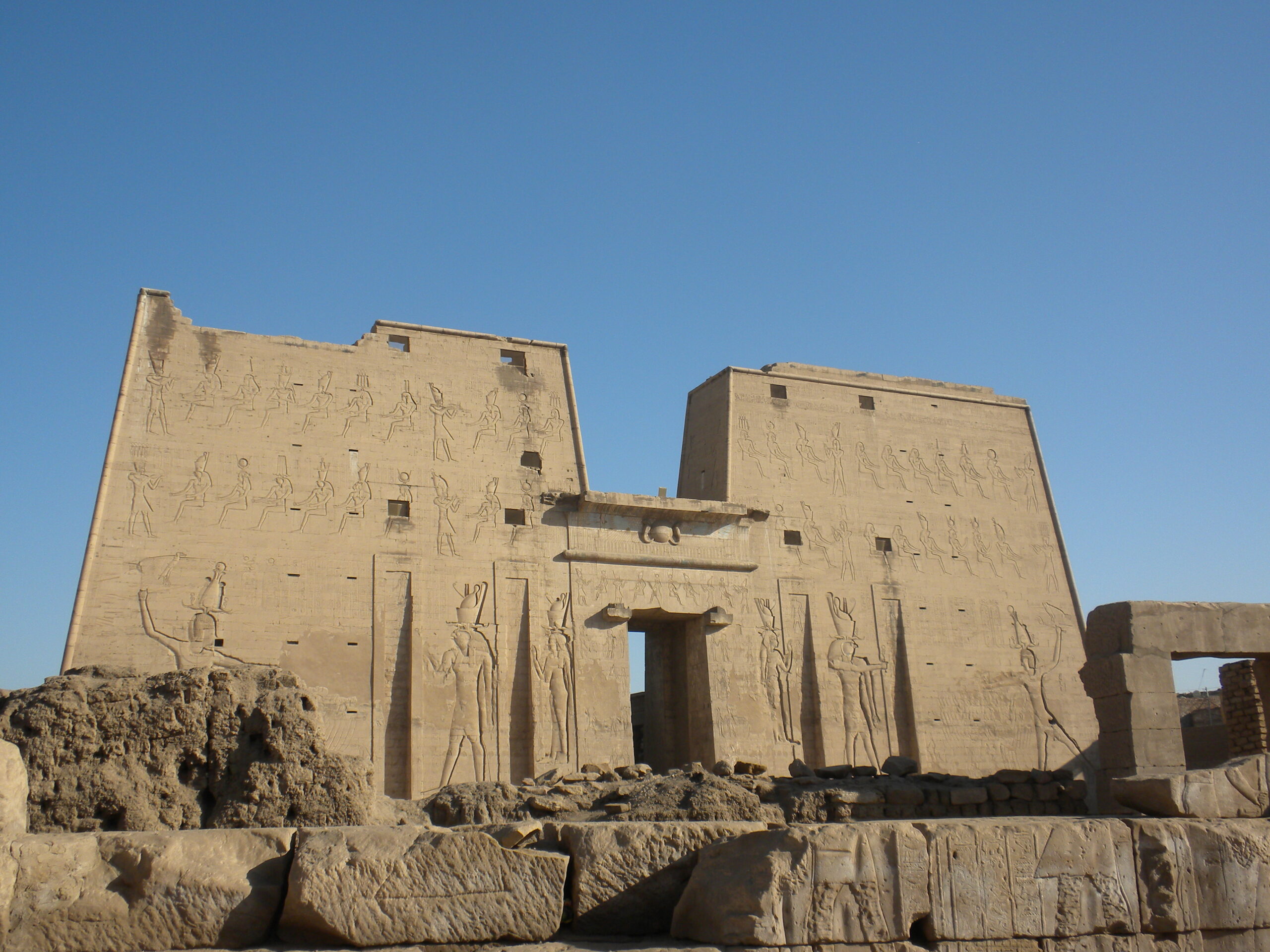
Places included in most one-week tours are the Pyramids and Sphinx in Giza, the newly opened Grand Egyptian Museum, Luxor Temple, the Temple Complex at Karnak, the Temple of Edfu, the Temple of Kom Ombo, and the Valley of the Kings.
Longer Trips
Whether it’s two weeks or a whole month, a longer trip allows travelers to experience more of Egypt’s ancient wonders, natural beauty, and vibrant modern life. With extra time, you can slow the pace, travel between regions more comfortably, and truly appreciate the contrasts between northern and southern Egypt.
My second trip to Egypt lasted roughly two weeks, and this tour included the following magnificent sites: the Temple of Hathor at Dendera (one of my favorites), the Temple of Philae, and the Memphis Open-Air Museum. Those are three sites I highly recommend!
What should I do with the extra time? In northern Egypt, visit Memphis, Saqqara, and Dahshur – three noteworthy sites associated with the early chapters of Ancient Egyptian civilization, and home to fascinating artifacts and pyramids. Those three places can be visited as a day-trip excursion departing from Cairo. I’ve been to Saqqara twice, and it is fascinating! I highly recommend hiring a guide for these three places, not only to enhance your visit given the amount of history associated with the sites, but also to assist with transportation logistics.
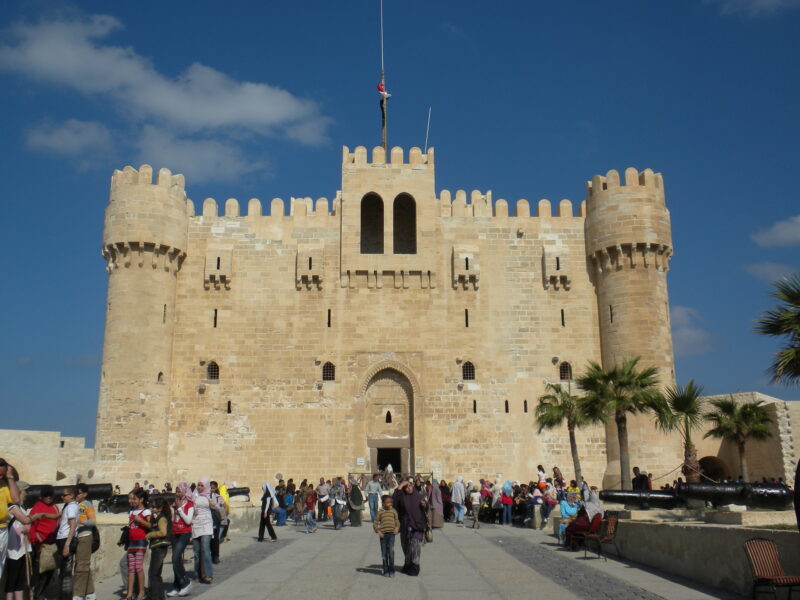
To the west of Cairo, travelers will discover the vibrant city of Alexandria with its Mediterranean flair. Here, visitors can explore Roman historical sites, the Citadel of Qaitbay, fascinating museums, the famous Alexandria Bibliotheca (built in commemoration of the ancient Library of Alexandria), and enjoy stunning views of the Mediterranean. I spent a few hours in Alexandria, and it’s a beautiful and unique city that felt different from the rest of Egypt. A visit there definitely requires at least two days, and it can best be reached via a domestic flight or train.
From Luxor, travelers can head north to discover the wonders at the Dendera Temple Complex and at Abydos, which includes the Temple of Seti I and the Osireion. The Temple of Hathor at Dendera is a must-see in Egypt (stunningly beautiful), and other sites in the complex are just as amazing. For the visit to Abydos, hiring a private guide is the best option, as transportation logistics can be challenging, and the guide can also assist with obtaining special permits that may be required for the Osirion.
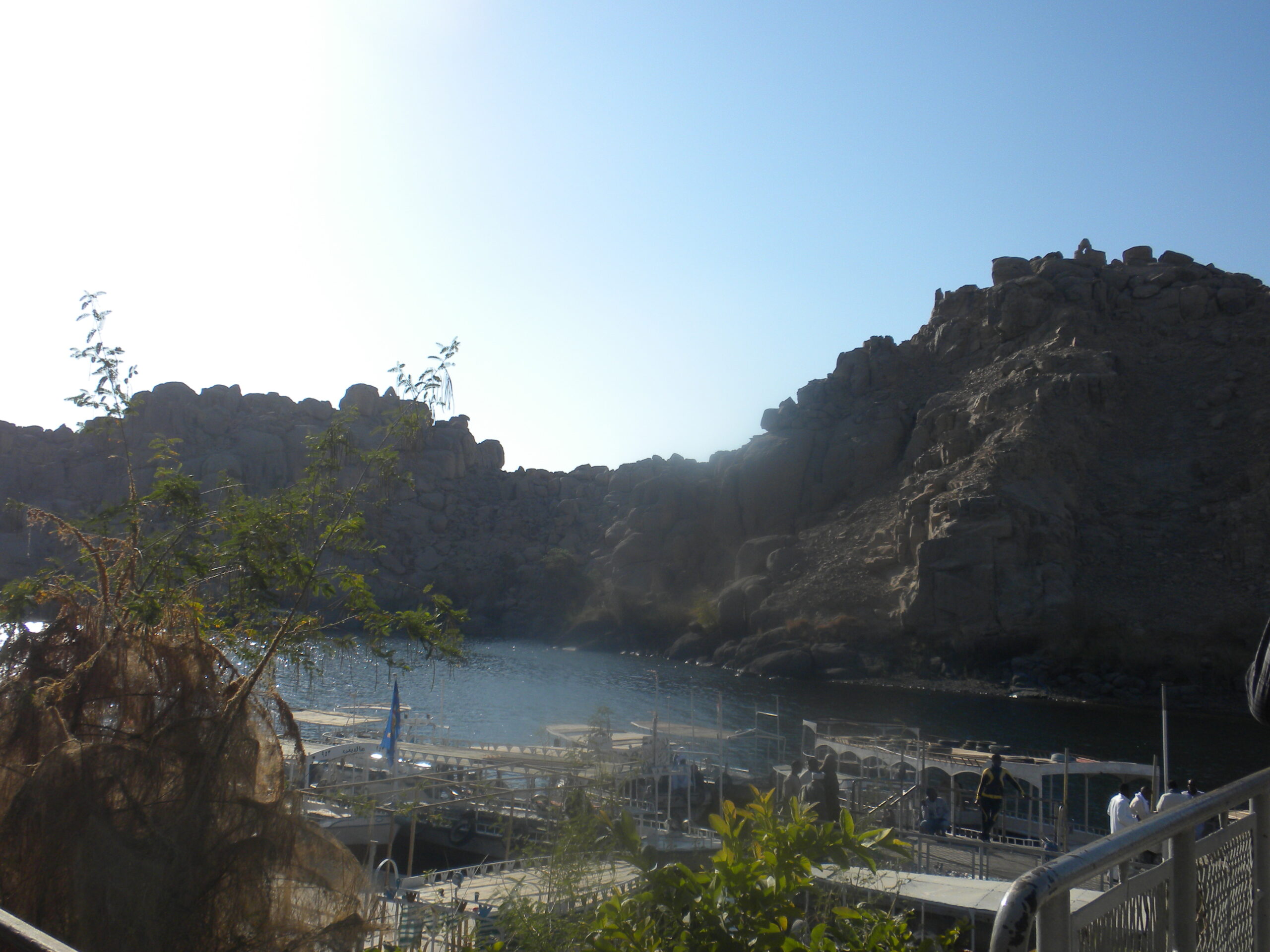
In Aswan, one can explore the best of Nubia, an ancient region situated along the Nile River between southern Egypt and northern Sudan. Significant sites include the Temple of Philae, the Temples of Kalabsha, Qasr Ibrim, and the Unfinished Obelisk. The Nubian Museum is another noteworthy site. Travelers can also sail on a traditional felucca passing by Elephantine Island on the way to the Aswan Botanical Garden on Kitchener Island (one of my favorite experiences in Egypt).
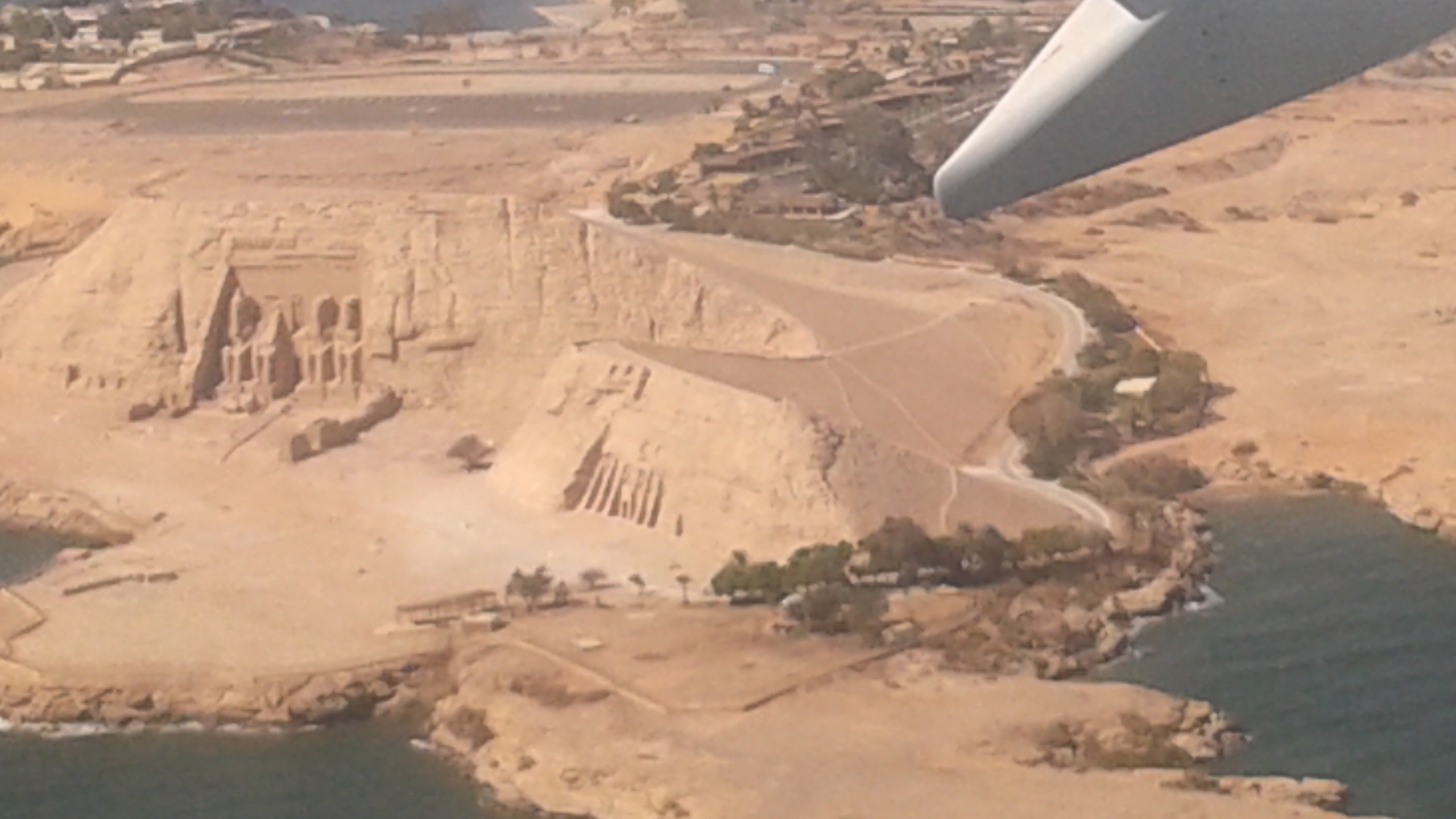
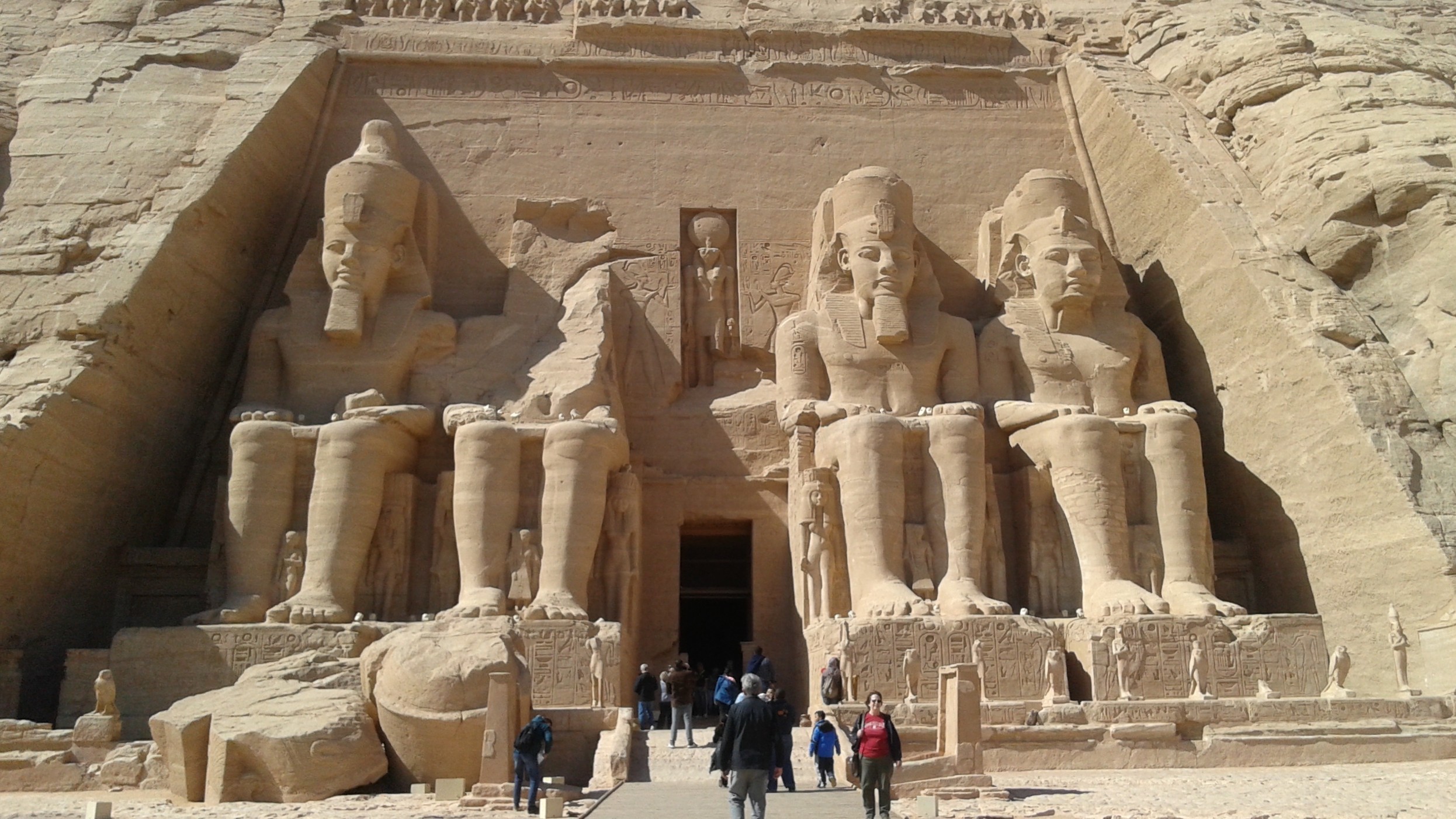
South of the City of Aswan lies the impressive temples of Abu Simbel. Abu Simbel is accessible via a short flight from most cities in Egypt, or it can be reached by public bus. Note that the bus trip takes an estimated 7 hours round-trip, and the departure and arrival times are somewhat limited. As such, for those seeking an affordable way to reach Abu Simbel, it is preferable to join a day tour departing from Aswan that handles transportation and also provides a guide. Most group tours list Abu Simbel as an optional activity, which costs a few hundred dollars and includes the domestic flight, guide, and admission fee.
For the adventurous, a trip to the White Desert is quite the experience. Here, travelers can take a jeep safari to check out the unique rock formations, visit natural springs and caves, sandboard, and stargaze.
Aswan is one of my favorite cities in Egypt – a slower-paced city compared to Cairo, and where, at least to me, the Nile is most beautiful. Some of my fondest memories of Egypt are sailing the Nile in this area, taking in the breathtaking views of the rolling dunes, colorful flowers, and rugged stones.
Nile Cruises
One of the most memorable ways to experience Southern Egypt is by taking a Nile Cruise between Luxor and Aswan. These cruises range from 3 nights to 7 nights and offer a great way to explore the temples and tombs between these two cities, while also relaxing and enjoying the views along the Nile. Many group tours include a Nile Cruise, but they are also an excellent option for independent travelers.
Just like group tours, there is a wide variety of cruise ships available, each tailored to different budgets and travel styles. What sets them apart is the selection of included sites, the quality of amenities, and the overall elegance of the ship.
Budget-friendly cruises usually run 3 to 4 nights and include guided tours of the major sites in Luxor and Aswan. These ships tend to have simple, but comfortable cabins and offer basic amenities such as a sun deck, pool, and gift shop. The more upscale cruises include additional excursions and added services such as airport transfers. As for the ships, they feature statelier cabins and amenities like a spa, gym, or larger pool. Some luxury cruises also offer cultural activities such as cooking demonstrations or onboard afternoon tea.
Before selecting a cruise, confirm whether beverages and Wi-Fi are included in the cost or if they require an additional fee.
Regardless of your budget or cruise length, most itineraries include stops at the Temple of Edfu and the Temple of Kom Ombo, two incredible temples located along the route between Luxor and Aswan.

The end of Ancient Egypt wasn’t abrupt, but instead came after years of decline due to a combination of internal and external factors. Internally, Ancient Egypt was contending with political instability, a struggling economy, and social conflict. This internal strife weakened the civilization, along with the ability to defend itself from a series of invasions from outsiders, including the Assyrians and Persians. The final turning point came in 30 BC when the Romans defeated Cleopatra VII, marking the end of pharaonic rule in Ancient Egypt.
Safety and Health
After two trips to Egypt, I’ve found that a little preparation goes a long way toward staying safe and healthy on the road. Here are my key tips to help you stay safe and healthy throughout your journey.
Preparing for Your Trip
- Understand the entry requirements, including tourist visas, currency restrictions, laws regarding prescription and over-the-counter medications, and other general laws and customs that travelers should be aware of. Visit the U.S. Department of State’s international travel page, and on the right side of the page, select Egypt as your destination to get the current information.
- Enroll in the Smart Traveler Enrollment Program (STEP). This free program enables the U.S. Embassy to contact you in the event of an emergency and send important safety alerts before and during your trip.
- Learn the rules around photography. Be especially mindful when near government or military buildings, bridges, and checkpoints. Egypt strictly prohibits the use of drones, and travelers caught entering the country with one can face serious penalties.
Staying Safe
- Use metered taxis, ride-share services, or private transfers for getting around cities. If you take public buses, try to use reputable companies and avoid overcrowded mini-buses when possible.
- Be extremely careful when crossing the street. Traffic in Egypt can be chaotic, and drivers may not obey traffic signals. Cross with locals when you can and never assume cars will stop.
- Dress conservatively and leave expensive jewelry, flashy watches, and designer handbags at home. The less attention you draw to yourself, the better – especially for solo female travelers.
- Book guides and tours before your trip and vet them through credible sources such as TrustPilot and TripAdvisor. Look for recent reviews, clear itineraries, and transparent pricing.
- Download offline maps and keep key addresses (such as hotels and embassies) written down. Cell service and Wi-Fi can be unreliable in certain areas, especially in the desert or rural regions.
Staying Healthy
- Do not drink the tap water and avoid ice cubes. Stick to bottled water, even in restaurants and nicer hotels, and double-check that the seal is intact before opening.
- Be cautious with food from street vendors. Opt for freshly cooked, hot food and avoid raw fruits and vegetables that may have been washed in tap water.
- Carry hand sanitizer and disinfecting wipes and use them regularly throughout the day, especially before meals.
- Protect yourself from the sun. Wear a wide-brimmed hat, sunglasses, and apply sunscreen, as many sites offer little shade.
- Stay hydrated, particularly when visiting sites in the midday heat. It can get really hot in the summer!
- Wear a mask in Cairo if you are immunocompromised or have a sensitivity to air pollution. The air quality in Cairo is not the best, but I found Luxor and Aswan to be better in that regard.
- Pack earplugs if you are a light sleeper. Cairo is a city that never sleeps and the honking continues late into the night.
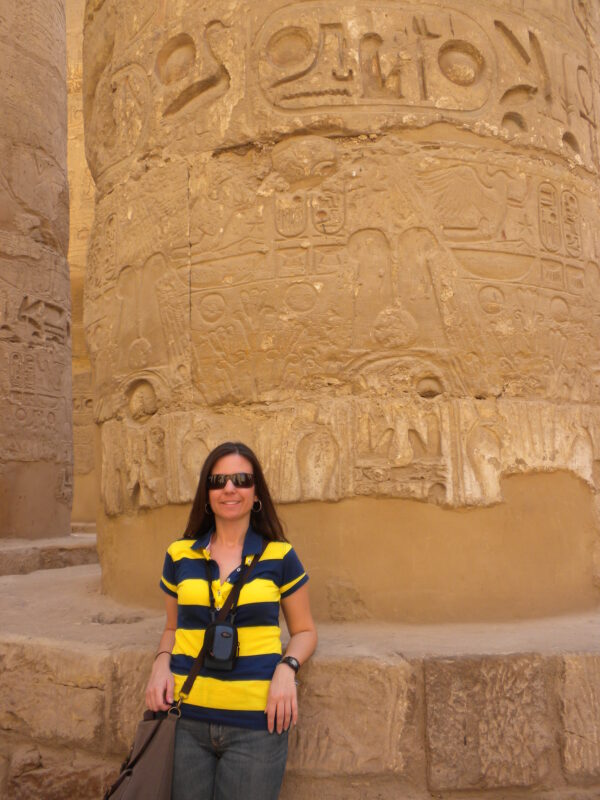
Thank you for reading my special guide on visiting Egypt! I hope you found it helpful and that it’s inspired you to start planning your own adventure to the Land of the Pharaohs. If you have any questions, feel free to leave a comment below or send me a message by clicking “Contact Me” in the menu bar. I’m always happy to help fellow travelers.





Leave a Comment