
A destination guide on how to plan a Munich itinerary that fits your travel style.
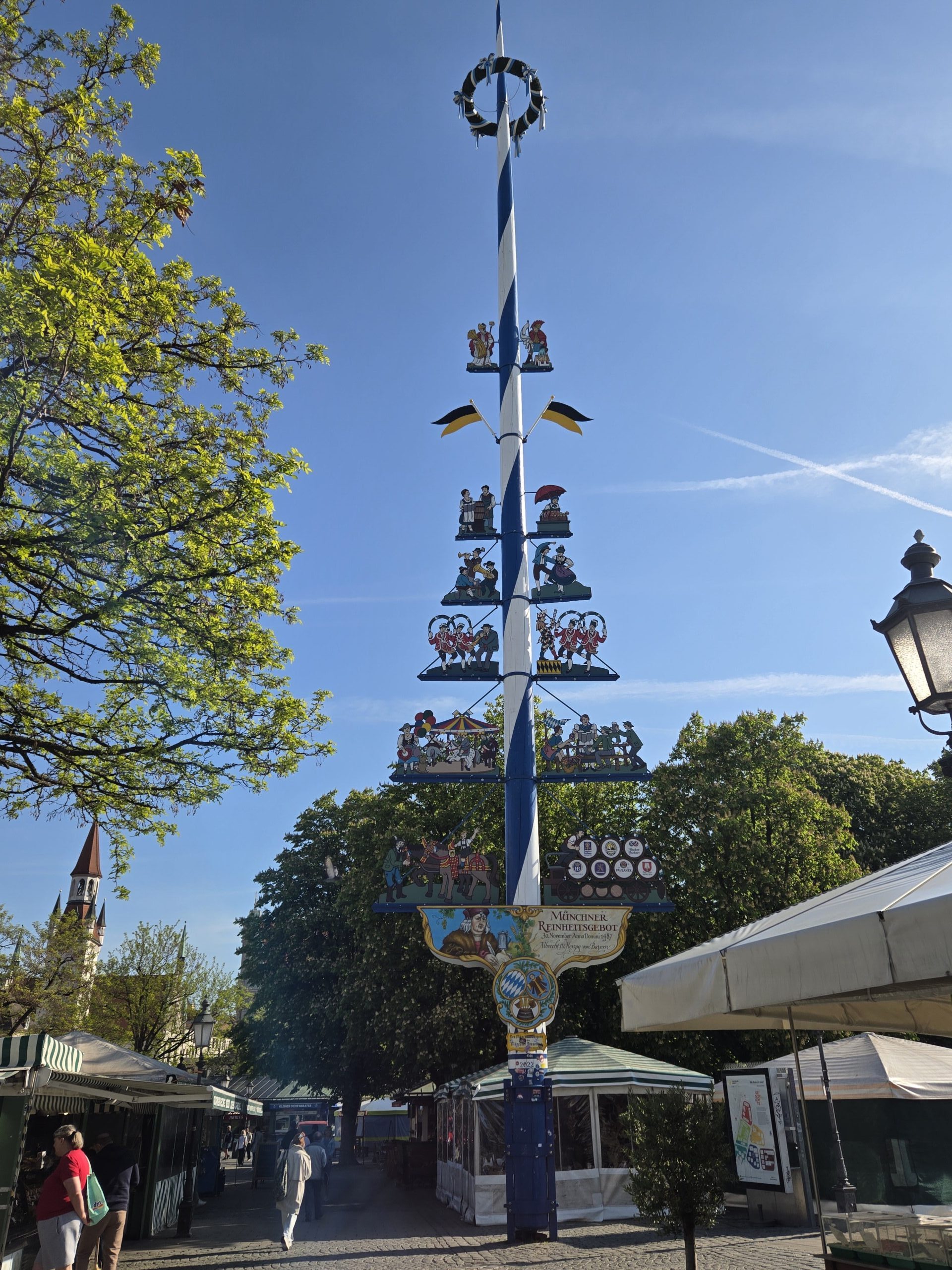
Munich is a fascinating city with its layered history, vibrant culture, and beloved traditions such as Oktoberfest. Located at the edge of the Bavarian region, Munich also serves as a gateway to charming alpine villages, enchanting castles, majestic mountains, and nearby destinations like Salzburg.
Whether you’re visiting Munich for a single day or planning a longer stay, it can be challenging to decide which sites and experiences to prioritize and how to organize them into a realistic plan. In this guide, I share how I planned my trip, along with practical tips and realistic time estimates, to help you build a Munich itinerary that’s flexible, well-paced, and tailored to your interests.
Interactive Planning Map
Fellow adventurers, here is a map you can use to plan your trip to Munich. I created this map while planning my own visit and added the restaurants I tried afterward. The sites marked in dark grey are places I had on my list but did not have time to visit. I’ve left them on the map so other travelers can use them as a reference when planning their own trip!
Check out this travel guide to learn how to create your own My Maps for your next trip.

Click each icon to view more information, including address, phone number, and website, for each site. You can also select the option to view the site in Google Maps.
| Green ~ Museums | Purple ~ Churches | Dark Red ~ Hotel |
| Yellow ~ Historical Sites | Orange ~ Theater | Blue ~ Restaurants |
Planning a Munich Itinerary That Fits Your Interests
Munich is a large city, with many of its best sites spread across different areas. As such, the first step in building a realistic itinerary, especially for shorter trips, is to consider the hotel’s location. If you stay in a hotel near the city center, you’ll be able to fit in more sights, since many attractions will be within walking distance and closer together. Visitors with more time in Munich will have a bit more flexibility, plus the opportunity to venture beyond the city center and take day trips to nearby cities.
How many days do I need to explore Munich? It’s challenging to pinpoint the ideal number of days travelers need in Munich because there is so much to see and experience, both within the city and in the surrounding areas. I was in Munich for about 4 and a half days, and I felt I barely scratched the surface!
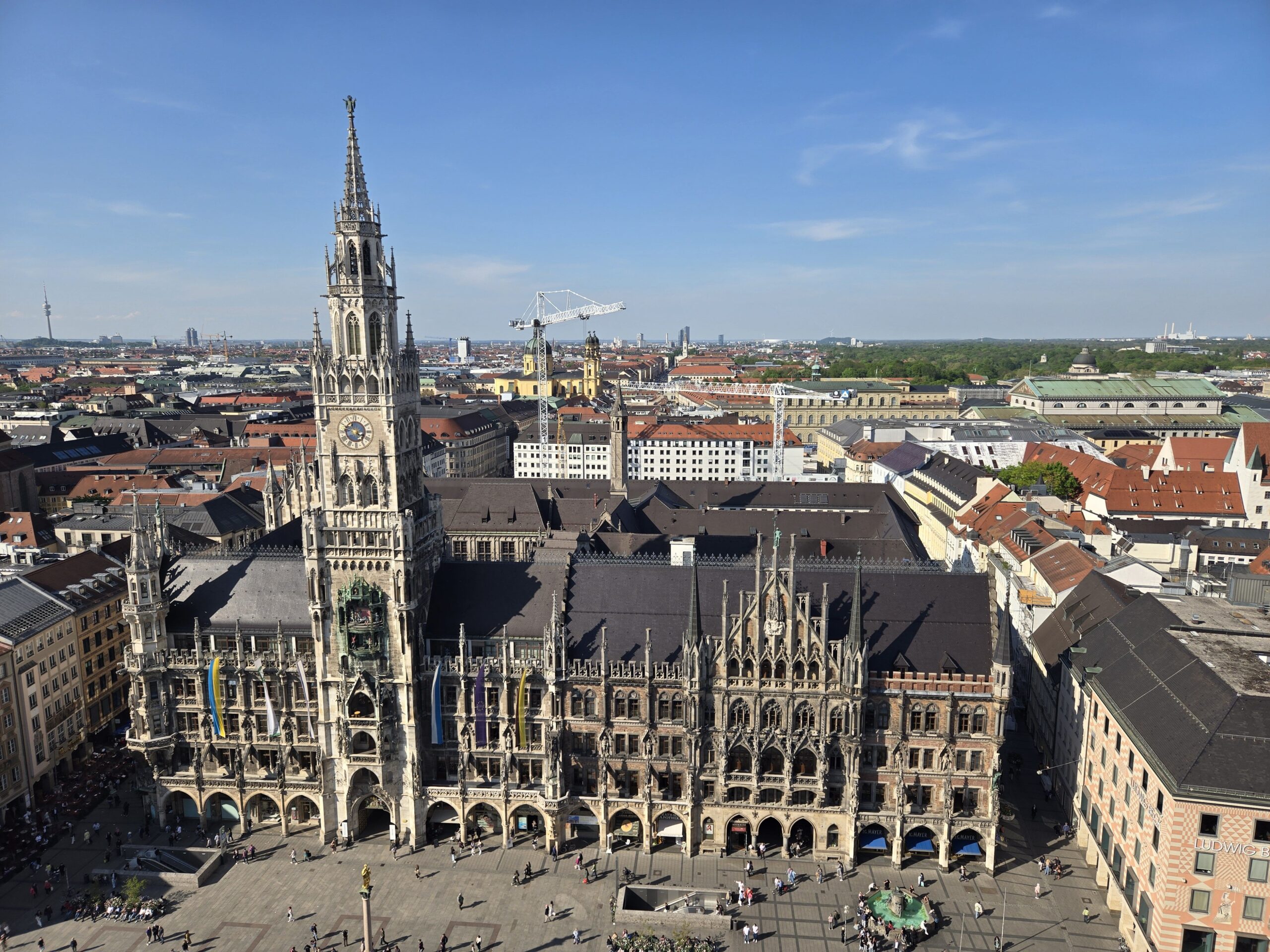
As a guide, here is my itinerary for Munich. Day 1, I arrived in the afternoon, so I mostly just had time to wander around Marienplatz, explore the Viktualienmarkt, and visit two churches. On my second day, I took a trip to Dachau to visit the concentration camp memorial site. On my third day in the city, I visited two museums during the day and attended the theatre in the evening. My fourth day started with a visit to the Residenz Palace and Treasury, followed by more walking around the city center, before heading back to the hotel for the tour’s orientation meeting. The final day started with a history-focused walking tour of the city, and during my free afternoon, I explored more of the Viktualienmarkt and climbed the tower at St. Peter’s Church.
Yes, I could have fit an extra museum on the 3rd day and a site or two on the final day, but I have learned to balance my time between visiting places and enjoying the moment. Travel is not just about doing; it’s about unwinding and experiencing the places you visit!
With that in mind, here are some suggestions for building your itinerary. Remember to take into consideration your flight’s arrival in Munich if that will be part of your itinerary’s “Day 1”.
One Day in Munich: For first-time visitors with limited time, start your day by focusing on the city center – view the Marienplatz, Old and New Town Halls, stop by one or two churches – and then, depending on your interest, explore a museum or palace, hang out at a biergarten, or wander the Viktualienmarkt.
Rick Steves’ Europe offers a free app with walking tours of major European cities. The Munich walking tour is about 75 minutes and takes you to noteworthy sites while sharing their history.
Two to Four Days: With a few days in Munich, you now have the opportunity to add both sites and experiences to your itinerary. You can continue focusing on places in and around the city center, or perhaps venture out to visit the Nymphenburg Palace, a short bus ride away. A trip to Dachau is feasible if spending 3 to 4 days in Munich.
Once your trip hits the 5-day mark, you can comfortably take day trips to nearby villages, like Oberammergau, journey to Füssen to visit the famous Neuschwanstein Castle, or catch a train to Garmisch-Partenkirchen to hike Germany’s highest peak (Zugspitze). You can even venture into Austria to visit Salzburg.
In the sections below, I provide more details on Munich’s various sites and experiences, along with suggested times for each.
As you plan your trip, check out my Munich transportation guide for more information on navigating the city.
Places and Experiences in Munich
For reference, I’ve linked my Destination Guides throughout this section so you can explore each site in more detail if it fits your itinerary.
Museums
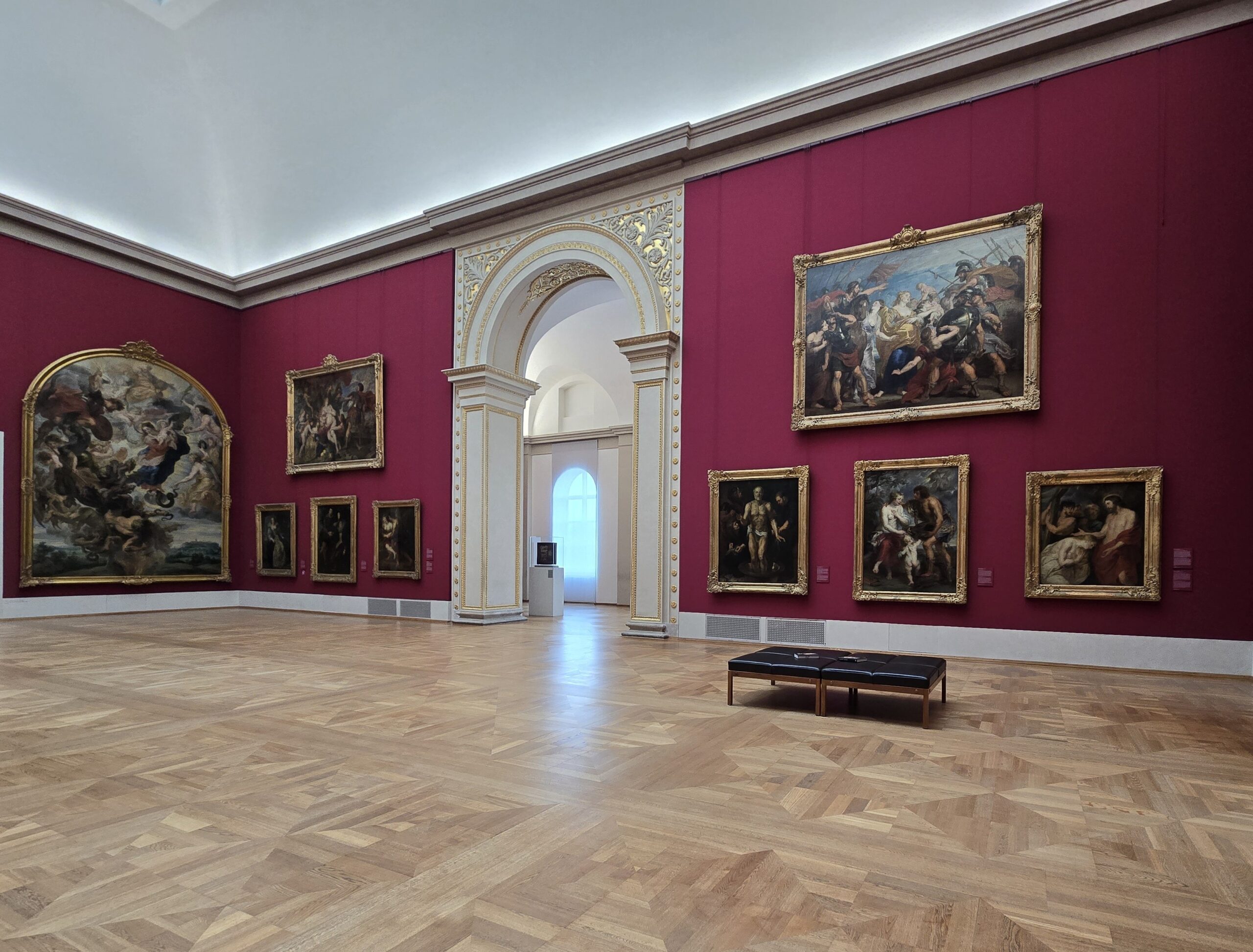
Munich has a wonderful collection of museums, with something for every interest, from history and art to science and technology. Museum enthusiasts will enjoy spending time in the Kunstareal, an area of Munich filled with museums, galleries, and other noteworthy cultural sites. The Kunstareal is a short bus or tram ride from the city center, making it ideal for those spending a day or two in the city. Two other great museums in Munich are the Deutsches Museum, a very short train ride from the Marienplatz, and the BMW Museum, perfect for car and design enthusiasts.
During my trip, I visited the Alte Pinakothek, a fine arts museum specializing in works by the Old Masters, and the Munich Museum of Egyptian Art. These museums take about 1.5 to 2 hours to see the highlights, but if you’re not in a rush, plan to spend closer to 2.5 to 3 hours to enjoy everything they offer. This timing is standard for most museums in the Kunstareal.
The Deutsches Museum is considered the world’s largest science and technology museum and is better suited for travelers spending a few days in Munich. It’s also a great museum for families, as the younger visitors will enjoy the interactive exhibits. A visit there requires at least 3 hours, but given its size, you could easily spend the whole day exploring its many exhibits.

Many museums in Munich are closed on Mondays, so keep that in mind when planning your trip.
Palaces

In the heart of the city, travelers will discover the Munich Residence, the former home of the Wittelsbach dynasty, which ruled Bavaria from 1508 to 1918. This vast palace complex is a maze of ornately decorated rooms and halls, and it also houses a Treasury, the Cuvilliés Theatre, and a series of beautiful courtyards.
Despite its size, even travelers spending just one day in Munich can still visit the Munich Residence. The complex is a short walk from Marienplatz, and the audio guide offers a “short tour” option that allows visitors to see the highlights in about 1.5 to 2 hours. Based on my experience, you could easily spend three hours or more exploring the palace, especially if you take the time to read all the information panels and admire every inch of its interiors. By contrast, the Treasury houses just a handful of exhibits and can be toured in under 30 minutes.
Another notable palace in Munich is Nymphenburg Palace, which served as a summer residence for the Bavarian kings from the 18th century and is now considered one of the largest in Germany. Located about 30 minutes from the Marienplatz by public transportation, this site requires at least half a day to explore the highlights of the palace interiors, the carriage museum, and the expansive gardens.
If you’re spending several days in Munich and are interested in visiting more castles, check out the Castles and Palaces in and Near Munich page from Simply Munich, which also provides additional information on the Nymphenburg Palace. Several tour companies also offer day trips from Munich that visit both Neuschwanstein and Linderhof castles, with a stop in the alpine town of Oberammergau.
Churches
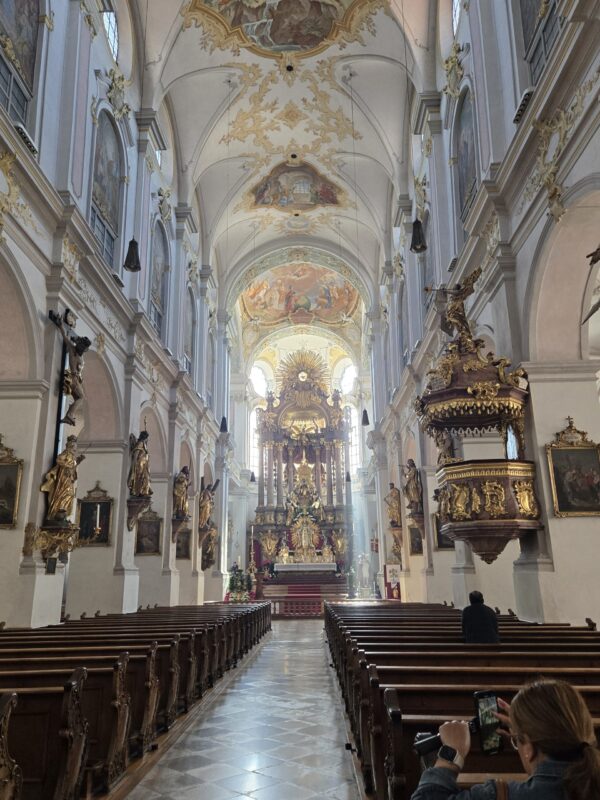
Munich has an impressive number of beautiful churches, many of which are historically significant and easy to incorporate into a sightseeing day. Several are located in or near Marienplatz, making it possible to explore a few churches in a short amount of time.
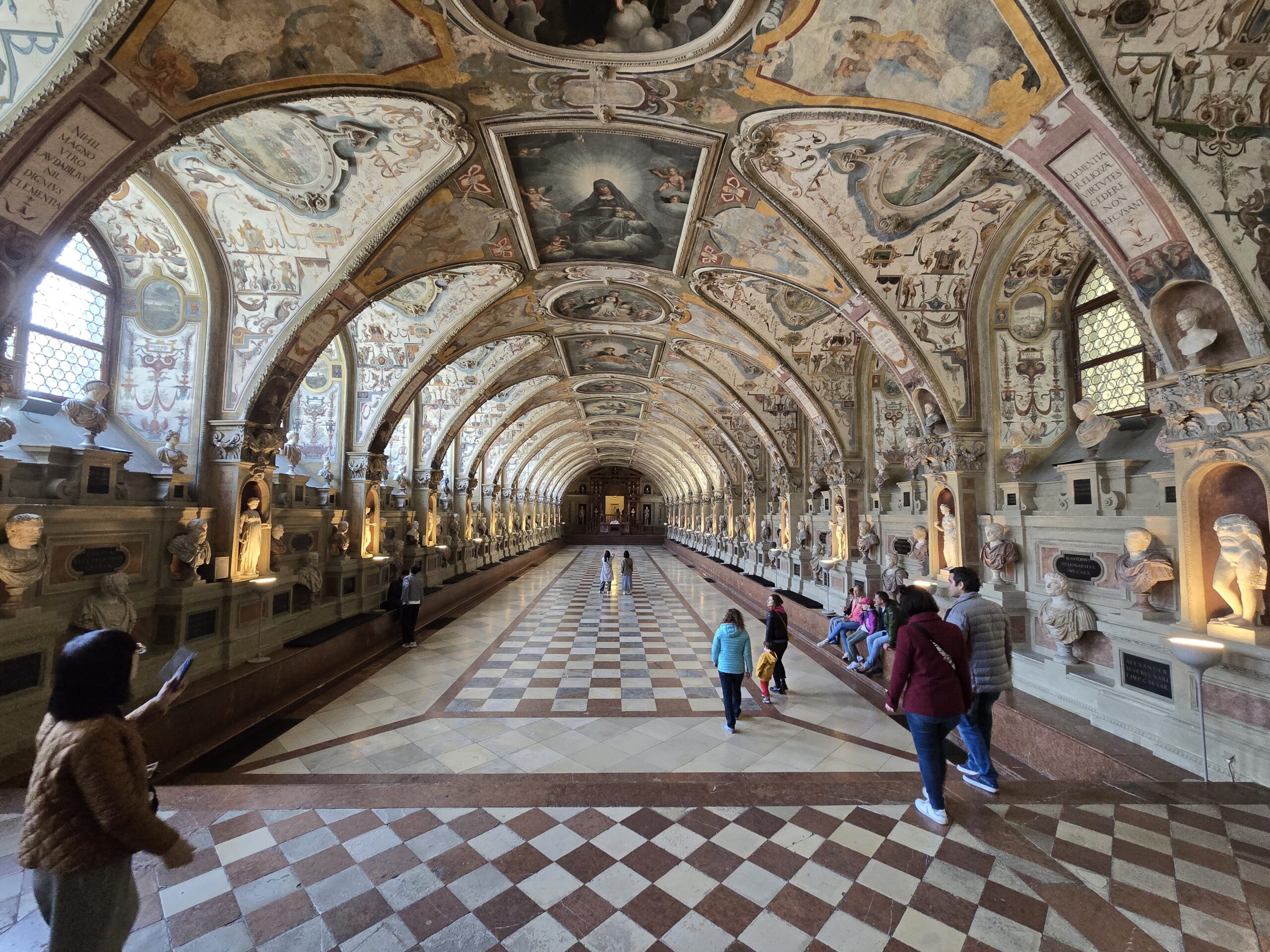
During my trip, I visited the Heilig-Geist-Kirche, Asamkirche, and Alter Peter. These churches are close to one another and within walking distance to other noteworthy sites, such as the Residence and Viktualienmarkt, making them easy to weave into your itinerary.
Heilig-Geist-Kirche and the Asamkirche are smaller in scale, with each taking about 15 to 20 minutes to explore. Alter Peter, Munich’s oldest parish church, has 17 noteworthy interior features, so plan at least 30 minutes for a visit. If you’re interested in climbing the bell tower, allow an additional 20 to 30 minutes, though it may take longer if you wish to spend more time admiring the views.
Another of Munich’s most famous churches, the Frauenkirche, is also a short walk from Marienplatz. Its south tower features an observation deck with excellent views of Munich, making it a worthwhile stop for those interested in panoramic views.
Experiences
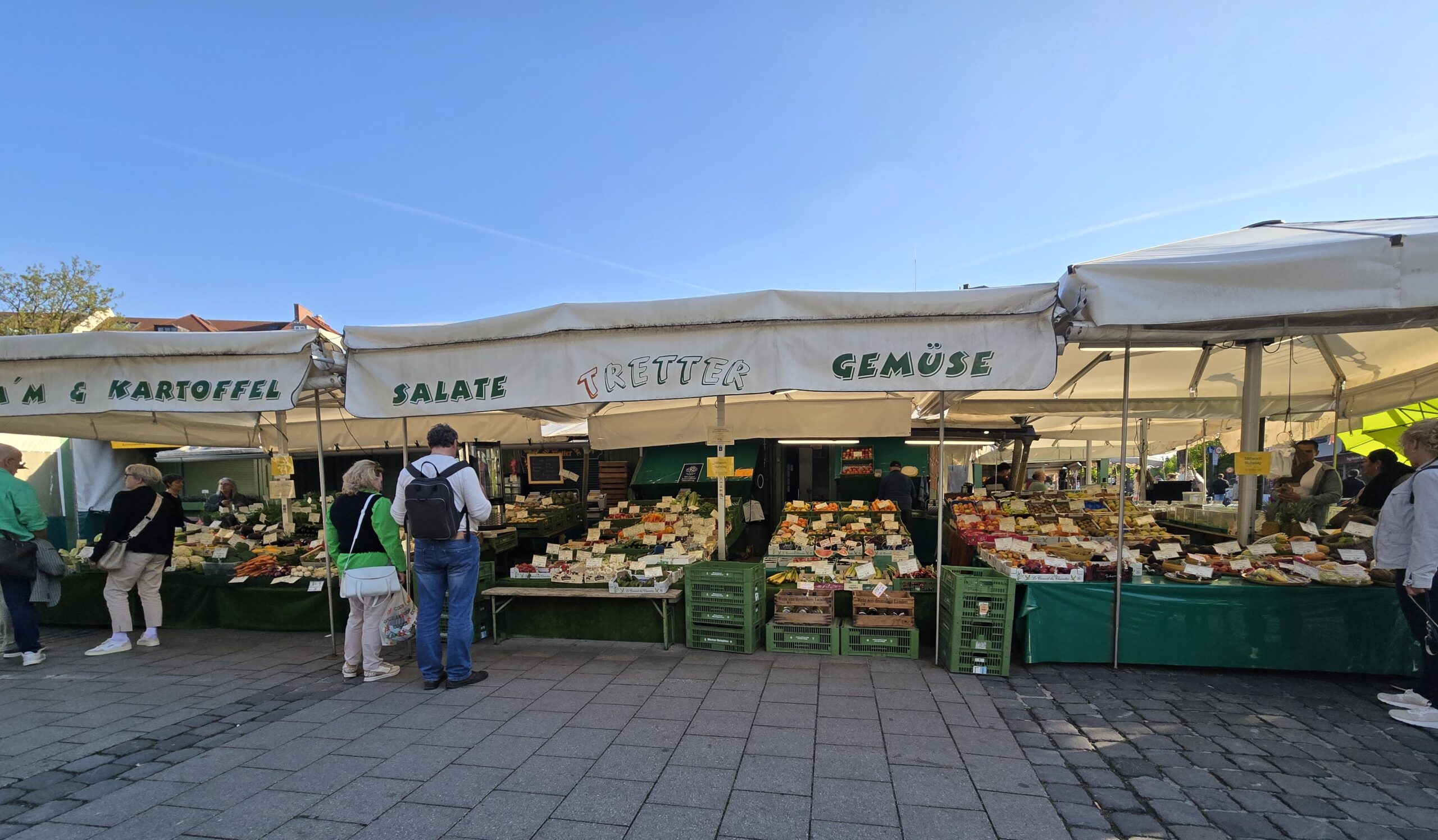
One of my favorite experiences in Munich was spending time at the Viktualienmarkt, a vibrant market with over a hundred stalls selling everything from fresh produce and baked goods to homemade crafts and German specialties. For me, it was my perfect place to unwind after a long day of sightseeing – grab a cup of coffee, wander through the stalls for a bit, then pick up something for dinner.
The Viktualienmarkt is centrally located near Marienplatz, and how much time you spend here is entirely up to you. There’s also a traditional biergarten for travelers who wish to experience a classic German tradition.
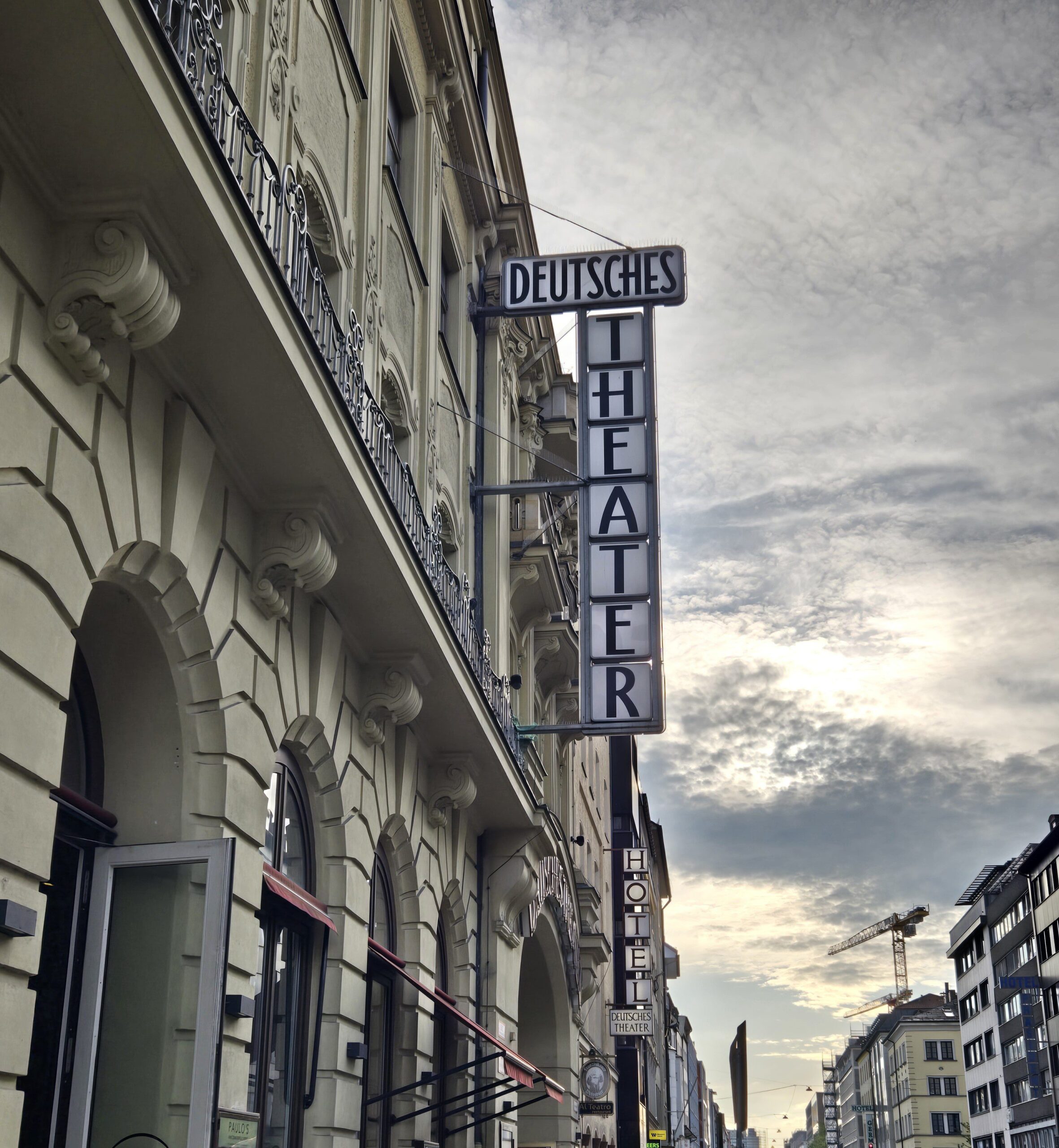
Munich has a vibrant performing arts scene, and attending a show at one of the city’s opera houses or theaters is an enjoyable way to spend the evening. During my visit, I attended an excellent musical at the historic Deutsches Theater – there’s nothing quite like watching an Agatha Christie novel come to life on stage! Other noteworthy venues are the Nationaltheater, Münchner Kammerspiele, and the Cuvilliés Theatre. One important thing to keep in mind is that some popular performances sell out well in advance, so I strongly recommend purchasing tickets before your trip.
Munich as a Base for Day Trips
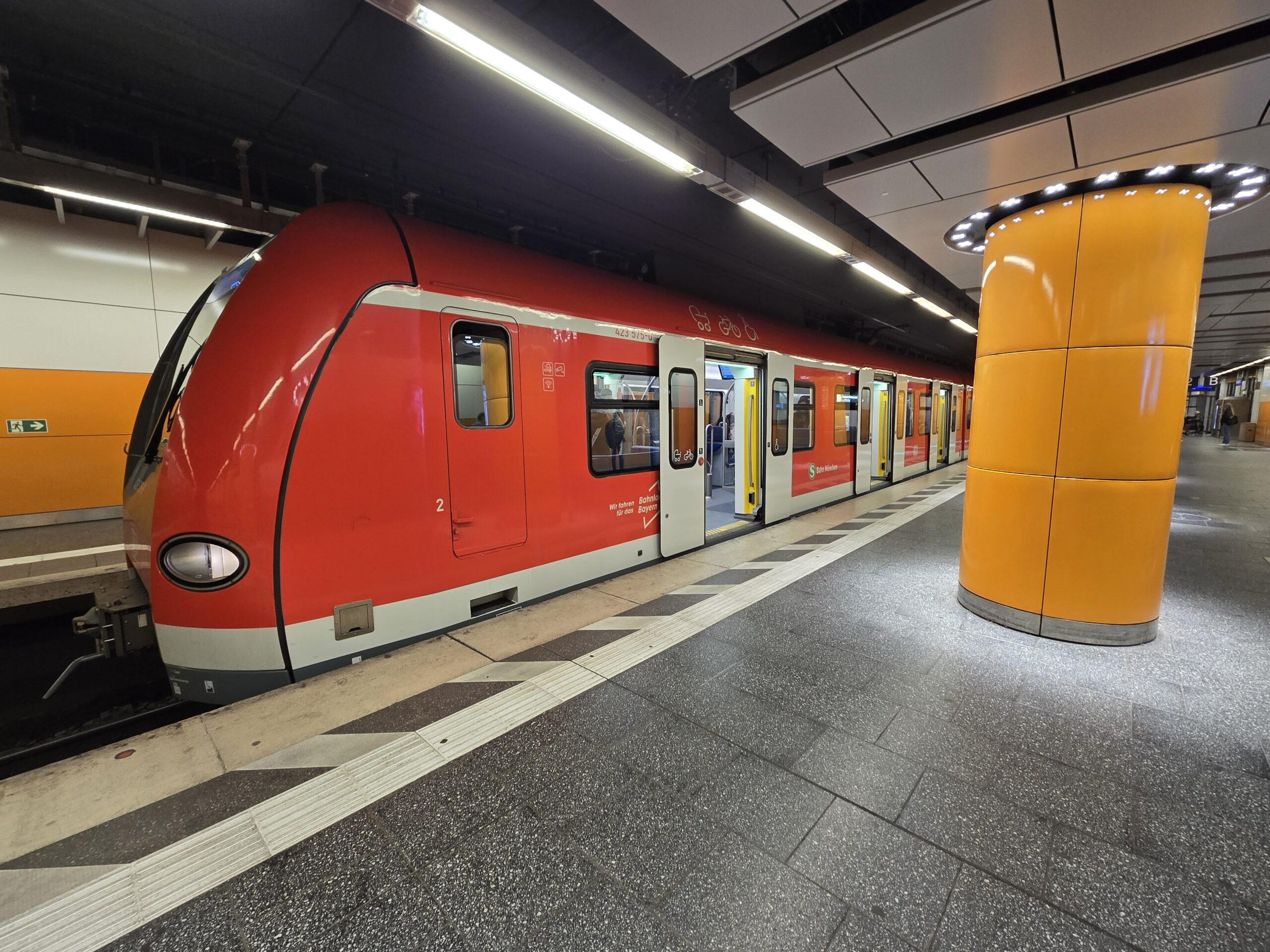
With its international airport and well-connected train network, Munich is the ideal base for exploring Bavaria and nearby regions. Whether you’re interested in visiting a quaint Alpine village, hiking in the Alps, or touring historic sites, many memorable day trips are within easy reach of the city. Travelers who prefer a more stress-free experience will also find several Munich-based tour companies offering guided day trips, eliminating the need to navigate public transportation on your own.
Alpine Villages
Several charming Alpine towns are within easy reach of Munich, including Garmisch-Partenkirchen, Mittenwald, and Oberammergau. Garmisch-Partenkirchen serves as the gateway to Zugspitze and is great for outdoor enthusiasts interested in hiking or winter sports. Mittenwald and Oberammergau are smaller towns known for their painted facades; Mittenwald is famous for its violin-making tradition, and Oberammergau is world-renowned for its Passion Play.
Castles
Two of the most popular castles visited by day visitors from Munich are Neuschwanstein and Linderhof. The towns of Füssen and Oberammergau serve as transportation hubs for these castles, respectively. While it is possible to visit both on the same day, it is much easier with a private vehicle or a guided tour. Traveling by public transportation requires a very early start from Munich and involves considerably more logistical work.
History
A historically significant destination in southern Germany is the Eagle’s Nest, a place associated with Hitler and the Nazi regime. Visitors stop by the Eagle’s Nest for both its history and its sweeping panoramic views of the Alps. Eagle’s Nest can be accessed by public transportation (about a 3-hour trip each way by train and bus) or a guided day tour.
Austria
Salzburg is just a two-hour train ride from Munich, offering travelers the chance to explore one of Europe’s most beautiful cities. Highlights include Hohensalzburg Fortress, Mozart’s birthplace, Mirabell Palace and Gardens, and Salzburg’s historic Old Town.
If you plan to visit Austria, be sure to carry your passport, as you will be crossing an international border.
Additional Resource
For a list of things you can see and experience in Munich, check out Simply Munich’s website.


Leave a Comment