
Destination guide to Vienna’s Imperial Treasury, home to centuries of Habsburg treasures, imperial regalia, and priceless religious artifacts.
History
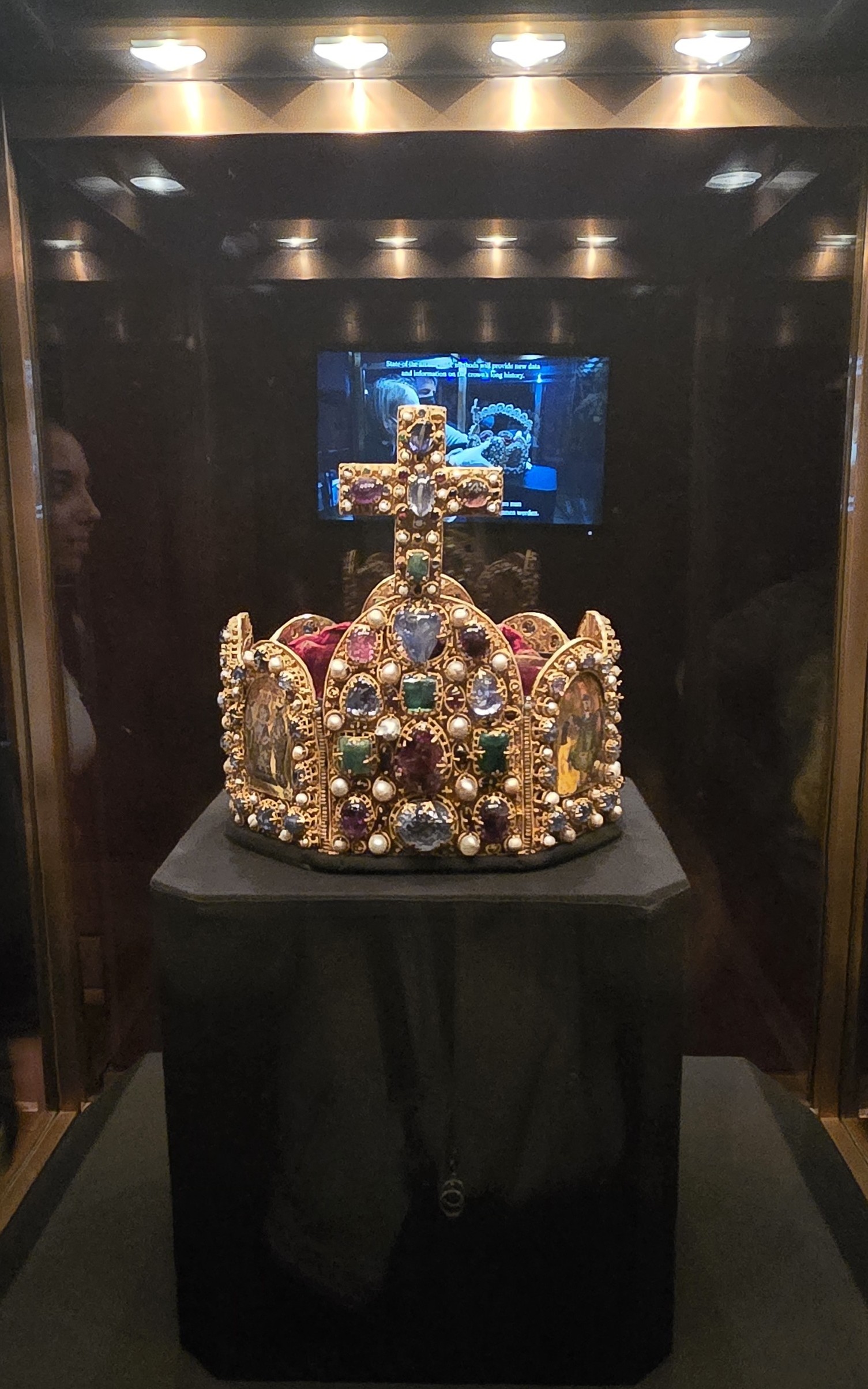
Dating back to the 14th century, the Imperial Treasury in Vienna offers a glimpse into the opulence and power of the House of Habsburg. The treasury began as a series of secure vaults near the Hofburg’s Imperial Chapel, where both secular and ecclesiastical items were stored. Items held ranged from gold, jewels, and precious stones to important religious relics that reflected the Habsburgs’ close connection with the Church. During the reign of Emperor Rudolf II (1576–1612), the treasury was expanded into a larger art chamber housing an impressive collection of artworks, curiosities, and luxury items.
Over time, the collection continued to grow with treasures from across Europe, while the 17th and 18th centuries saw efforts to document and organize the holdings. The late 19th century marked an important chapter in Vienna’s history – the opening of the Kunsthistorisches Museum, with many of its artworks coming from the Imperial Treasury. Today, these two institutions are among the most significant in the city, providing visitors with an immersive experience of Vienna’s history and a glimpse of the art and treasures of the Habsburg dynasty.
Visiting the Imperial Treasury in Vienna
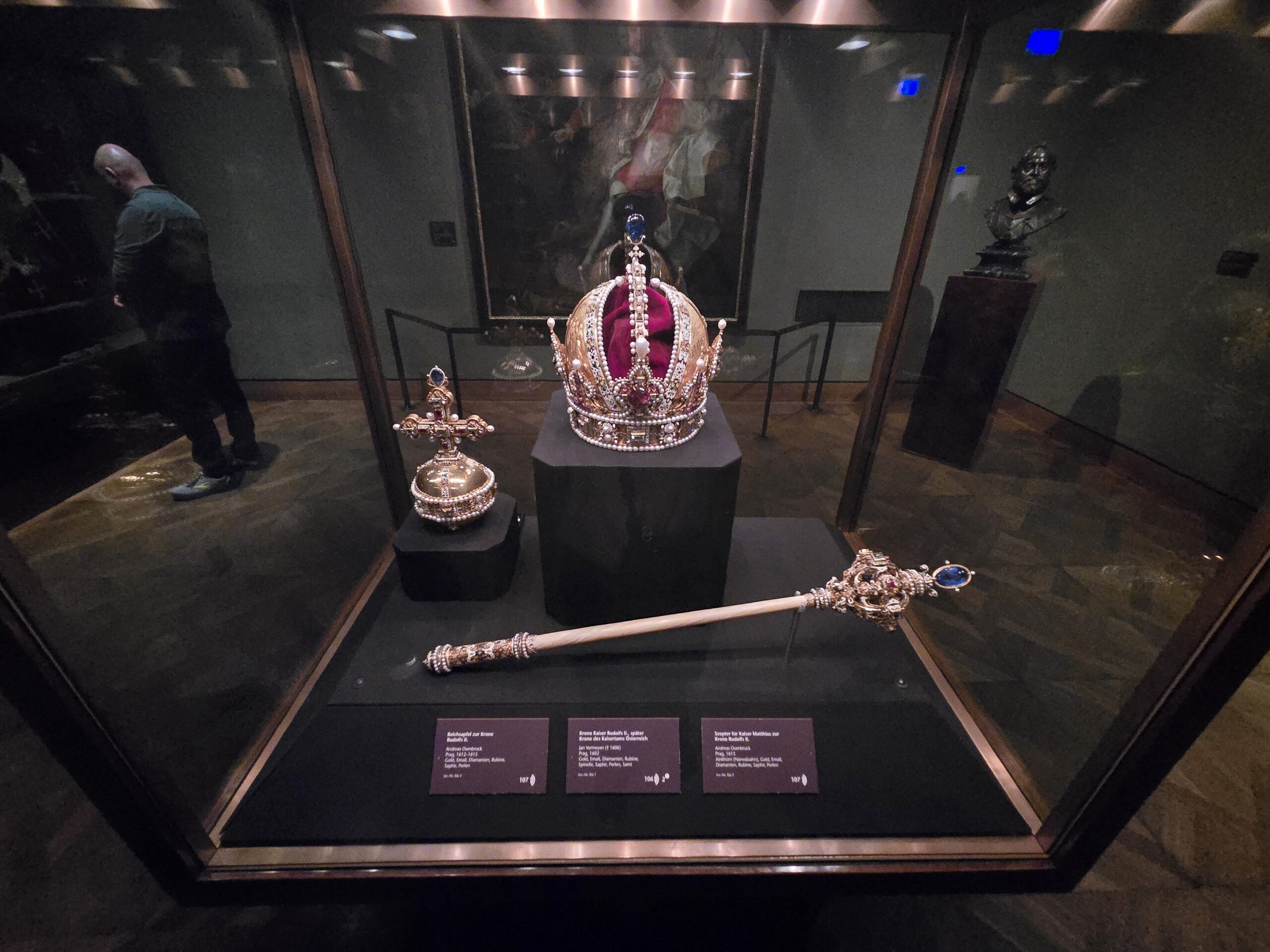
The Imperial Treasury was one of the must-see sites during my extra days in Vienna after my tour ended. I became even more interested in this attraction after exploring the Treasury in the Munich Residence, where I had the chance to view some beautiful liturgical relics. In both treasuries, the jewels were impressive, but the craftsmanship and intricate details of some ecclesiastical items were especially awe-inspiring.
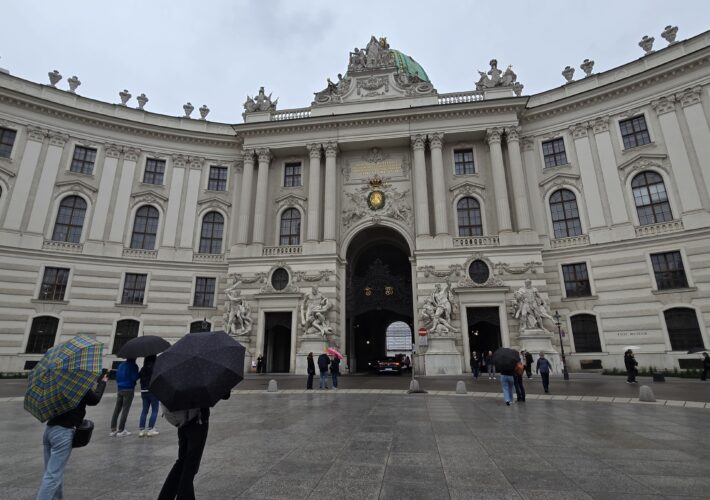
Vienna’s Imperial Treasury can be accessed through the Schweizerhof (Swiss Courtyard), the oldest section of the Hofburg Palace. The treasury is near the Sisi Museum and Imperial Apartments, two other sites within the palace that merit a visit, and a short walk from the Kunsthistorisches Museum.
Admission tickets can be purchased in person or online and are not time-specific. Guests can also rent an audio guide for an additional fee. For my visit, I bought the ticket in person and opted not to use an audio guide. In hindsight, I should have rented the audio guide, as the captions only listed the names of the items on display and did not provide detailed information or historical context.
I stopped by the treasury on a Sunday morning in early May, and I was surprised by the crowds. In some rooms, the number of people present made it difficult to navigate the galleries and read the captions. The halls with the religious relics had fewer visitors, making the experience more pleasant. Based on my visit, I recommend arriving at the site when it opens at 9:00 AM to beat the crowds. Altogether, I spent about 40 minutes at the Imperial Treasury as I rushed through some of the more crowded rooms, but I suggest planning at least 60 minutes for your visit.

Visitors planning to see both the Imperial Treasury and the Kunsthistorisches Museum can purchase the Treasures of the Habsburgs combo ticket, which offers savings compared to buying admission to both sites separately.

The Imperial Treasury is fully accessible for visitors with mobility impairments.
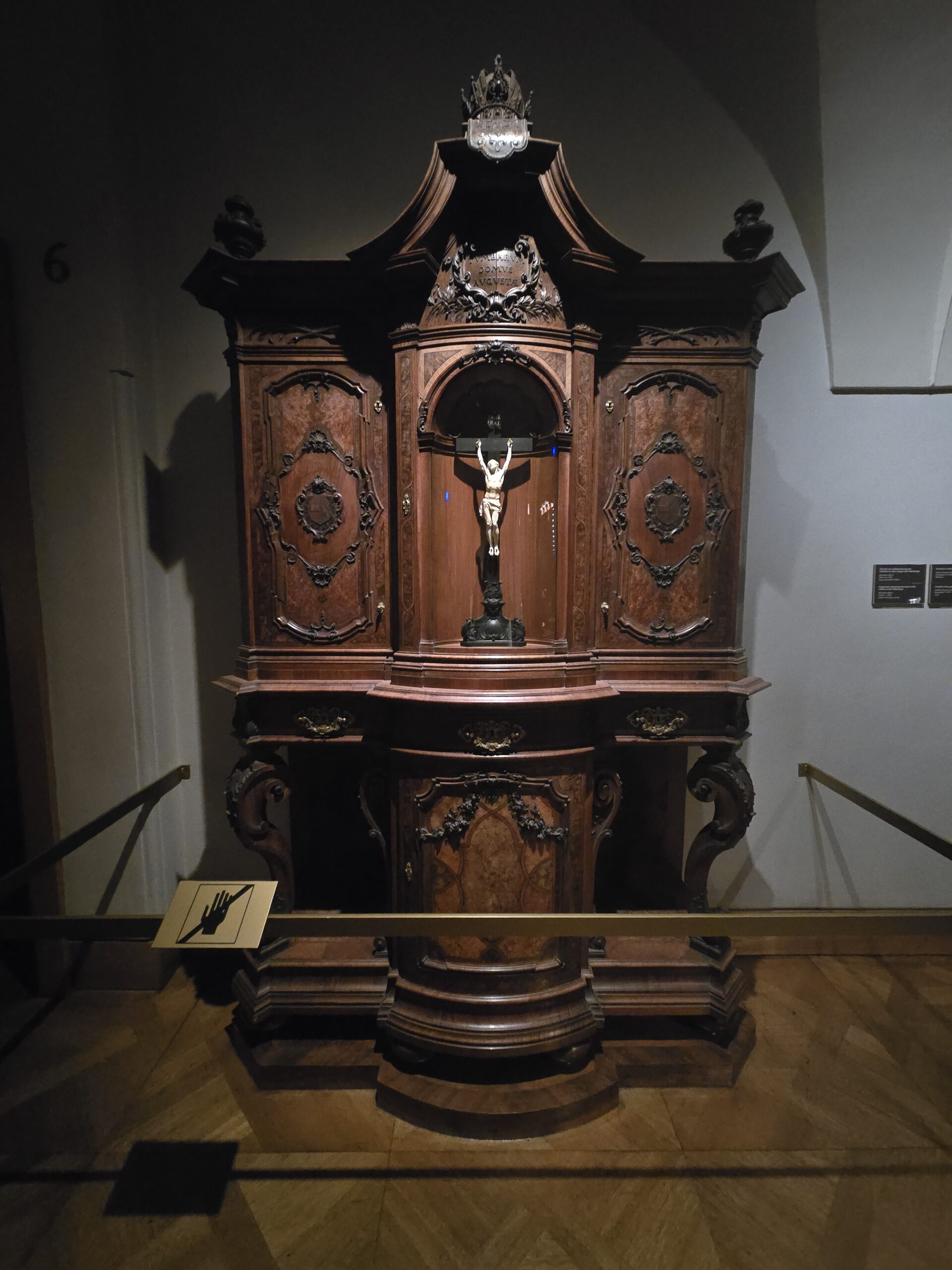
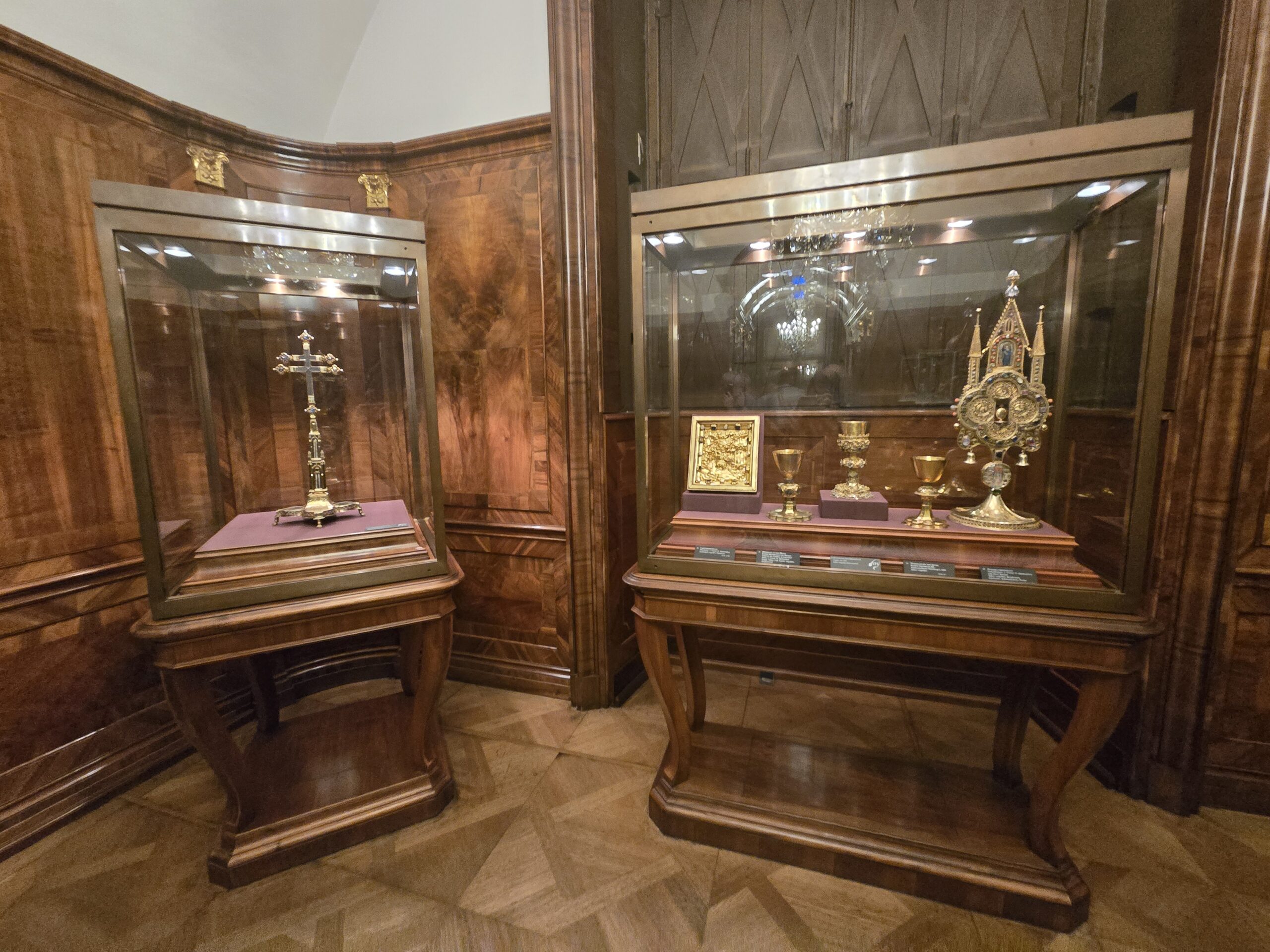
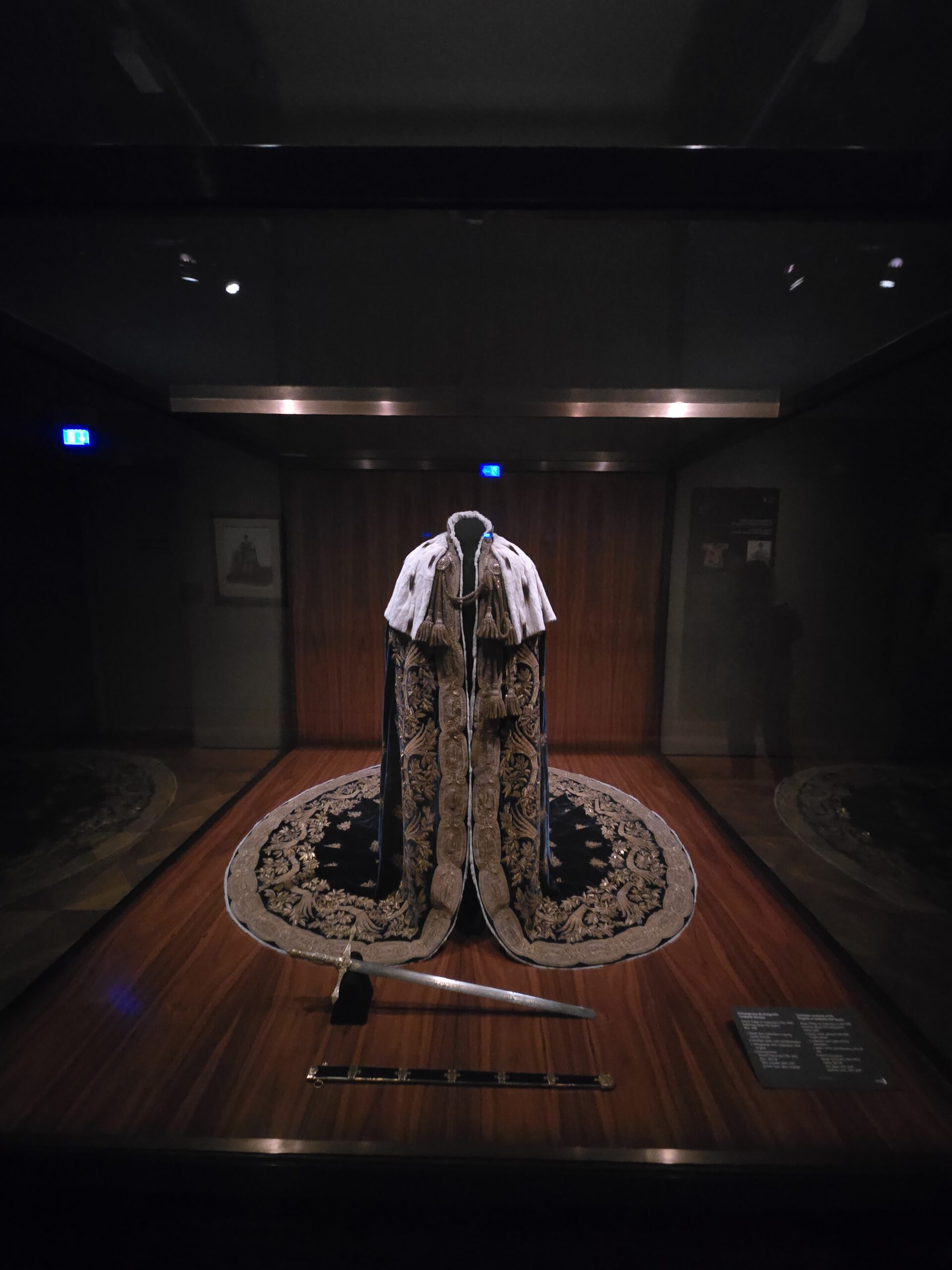
Photo gallery showcasing a few highlights of the Imperial Treasury.
Travel Tip
The Hofburg Palace is centrally located and near many of Vienna’s must-see sites. As a visit to the Imperial Treasury doesn’t require much time, it can easily be combined with stops at the Kunsthistorisches Museum, the Sisi Museum and Imperial Apartments (visited together on a single ticket), or St. Stephen’s Cathedral for a great one-day itinerary.
Resources
For more information, visit the Imperial Treasury’s website.


Leave a Comment