
Destination guide to Madrid’s Royal Palace, one of Europe’s grandest royal residences and a highlight of the Spanish capital.
History
The origins of the Royal Palace of Madrid can be traced to the former Moorish fortress, the Alcázar of Madrid, which was built in the late 9th century. Over the years, the Alcázar was expanded and converted into a royal residence, with King Philip II designating it as the official home of the Spanish monarchy in 1561.
The Alcázar of Madrid was destroyed by fire on Christmas Eve in 1734, and a new palace was commissioned on the same site. To avoid a similar disaster in the future, the new structure was built without wooden beams, making it more fire-resistant. The new palace was also designed on a grander scale, featuring multiple floors to house the royal family and their staff and servants, as well as various government offices and departments.
Construction began in 1738, and the main structure was completed in 1751, although decorative and exterior work continued through 1759. In 1764, Charles III became the first monarch to reside in the palace; however, it did not serve as a year-round residence. Both Charles III and his son, Charles IV, stayed in the Royal Palace for only a few weeks each year, spending most of their time in other notable palaces, including El Escorial, Aranjuez, and La Granja.
Today, the Royal Palace continues to serve as the official site for state ceremonies, making it one of the few functioning royal residences open to the public. The current royal family resides at the Palace of Zarzuela, located on the outskirts of Madrid.
Visiting the Royal Palace of Madrid
The Royal Palace of Madrid marked my third visit to a European palace in 2025, and it quickly became clear that if a city has a palace, it is automatically added to my itinerary. The other two palaces I explored were the Munich Residence and the Imperial Apartments in Vienna. While there are similarities between them, each palace has its own unique features and beauty, making it worthwhile to tour as many as you can squeeze into your trip.
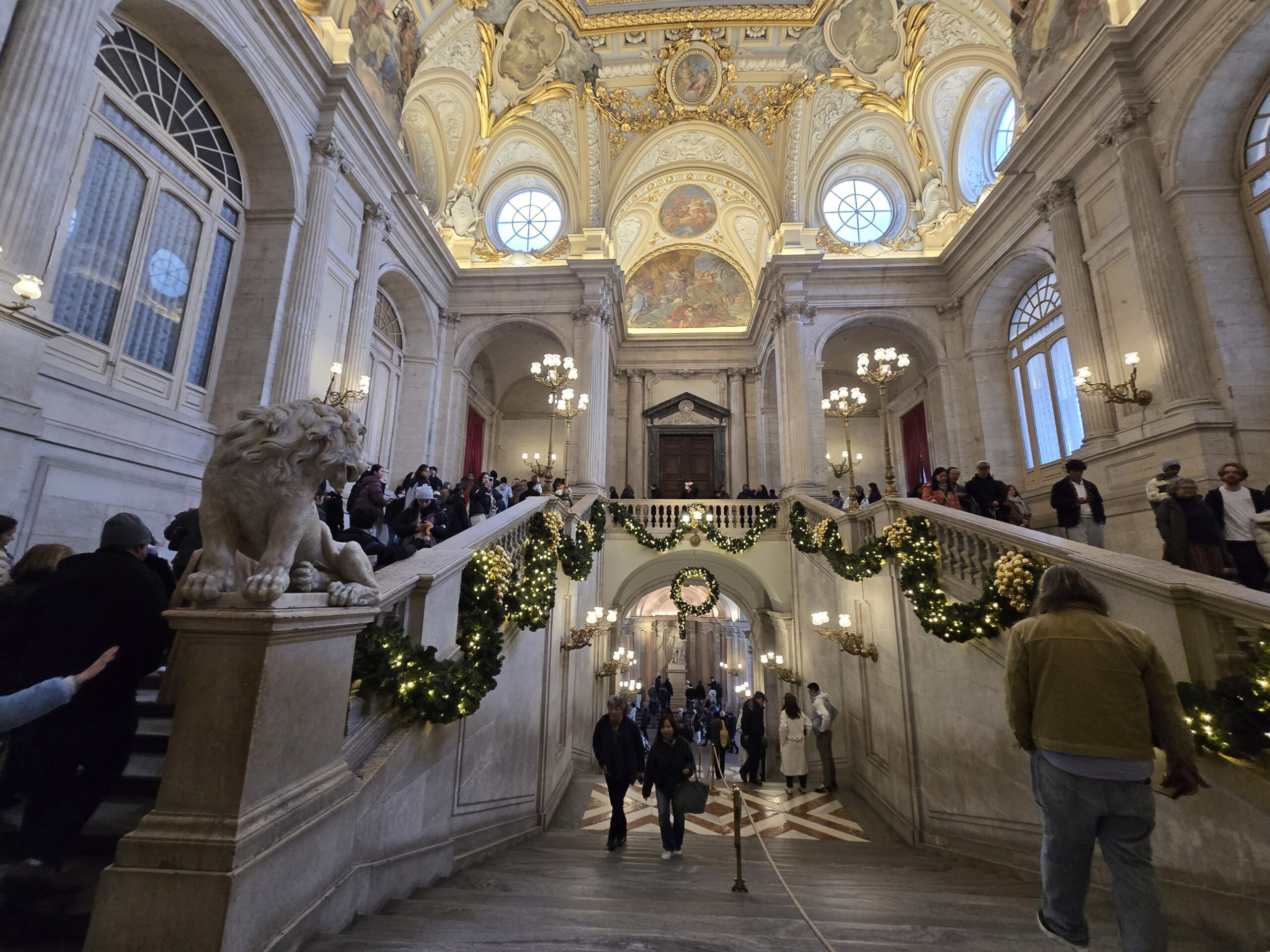
My visit to the Royal Palace was the week of Christmas, so I was anticipating long lines and huge crowds. To my surprise, while there were a considerable number of people there, it did not feel as crowded or overwhelming as it did during my visit to the Imperial Apartments. Here, there was better crowd management and smoother traffic flow, with only one or two minor bottlenecks in the smaller hallways. Overall, despite the crowds, it was easier to move around the rooms, read the captions, and admire the artwork.
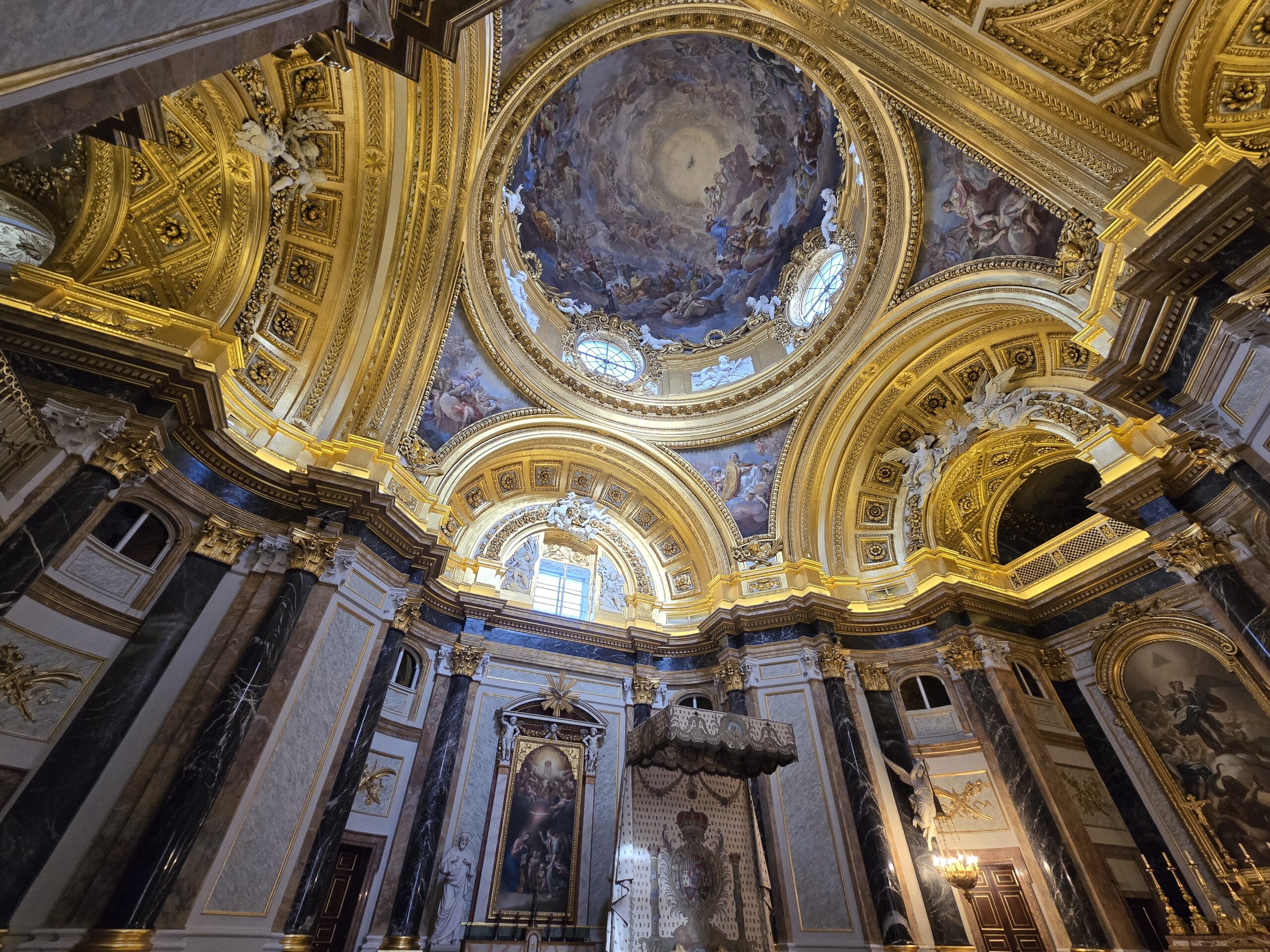
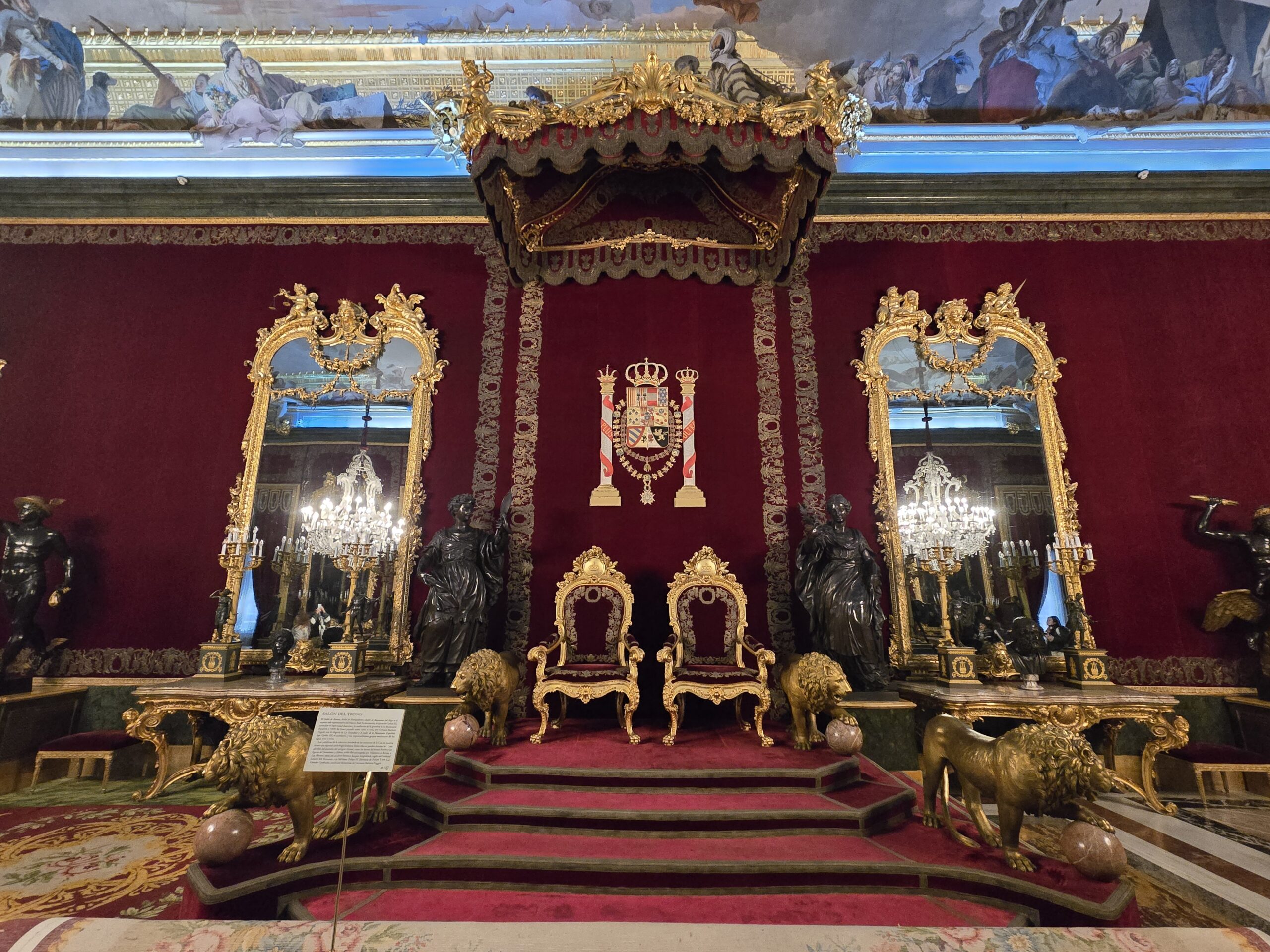
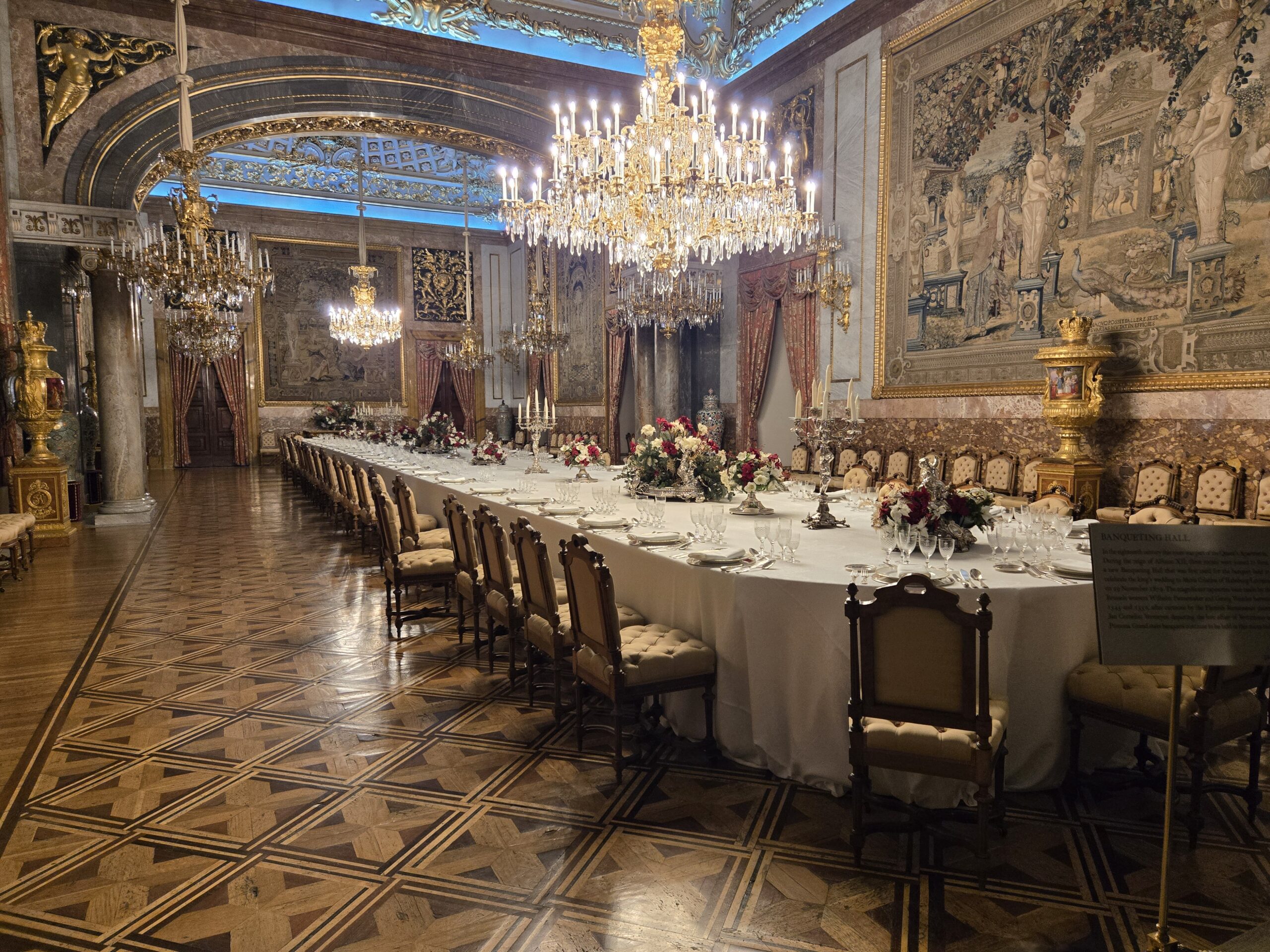
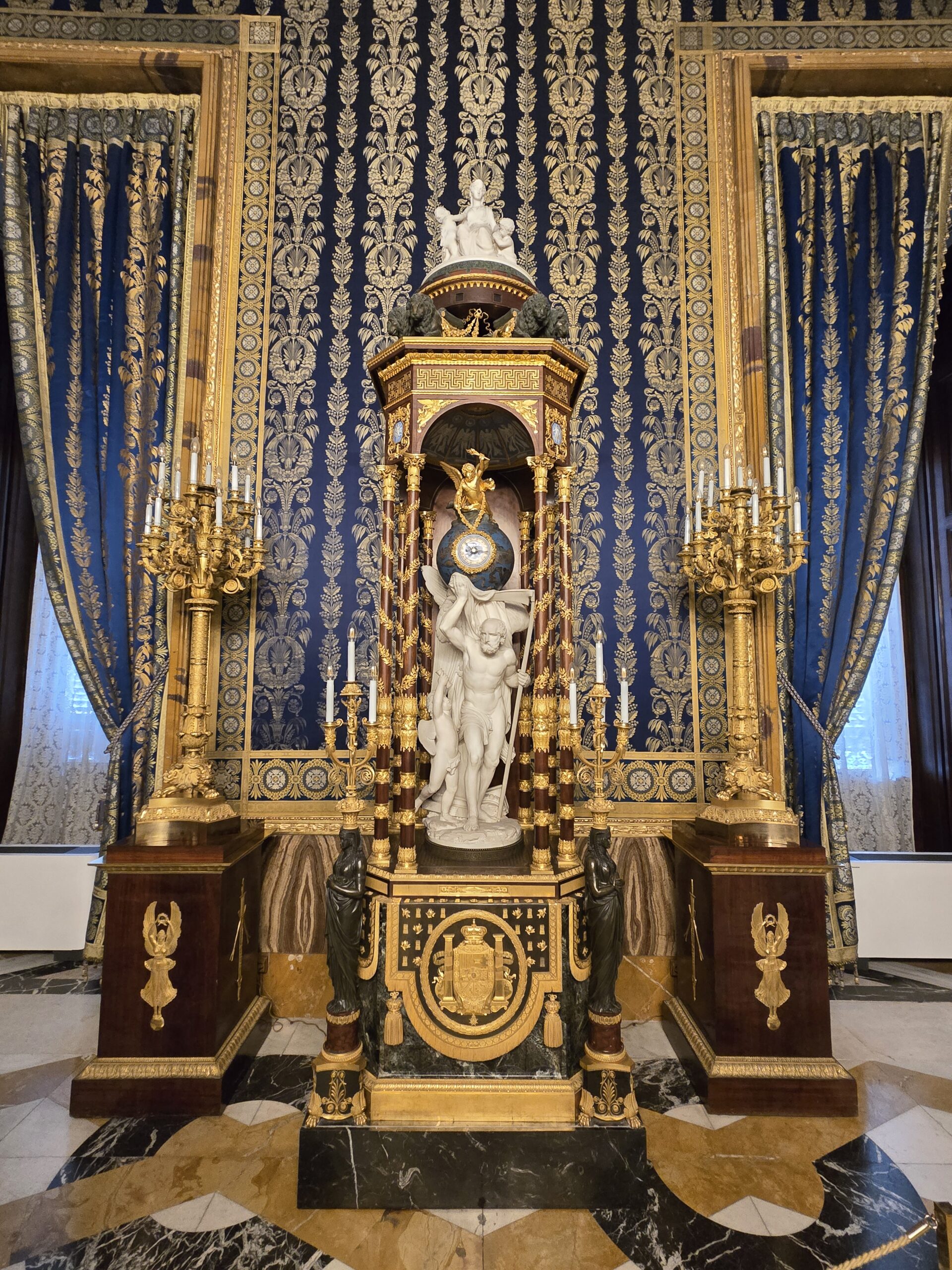
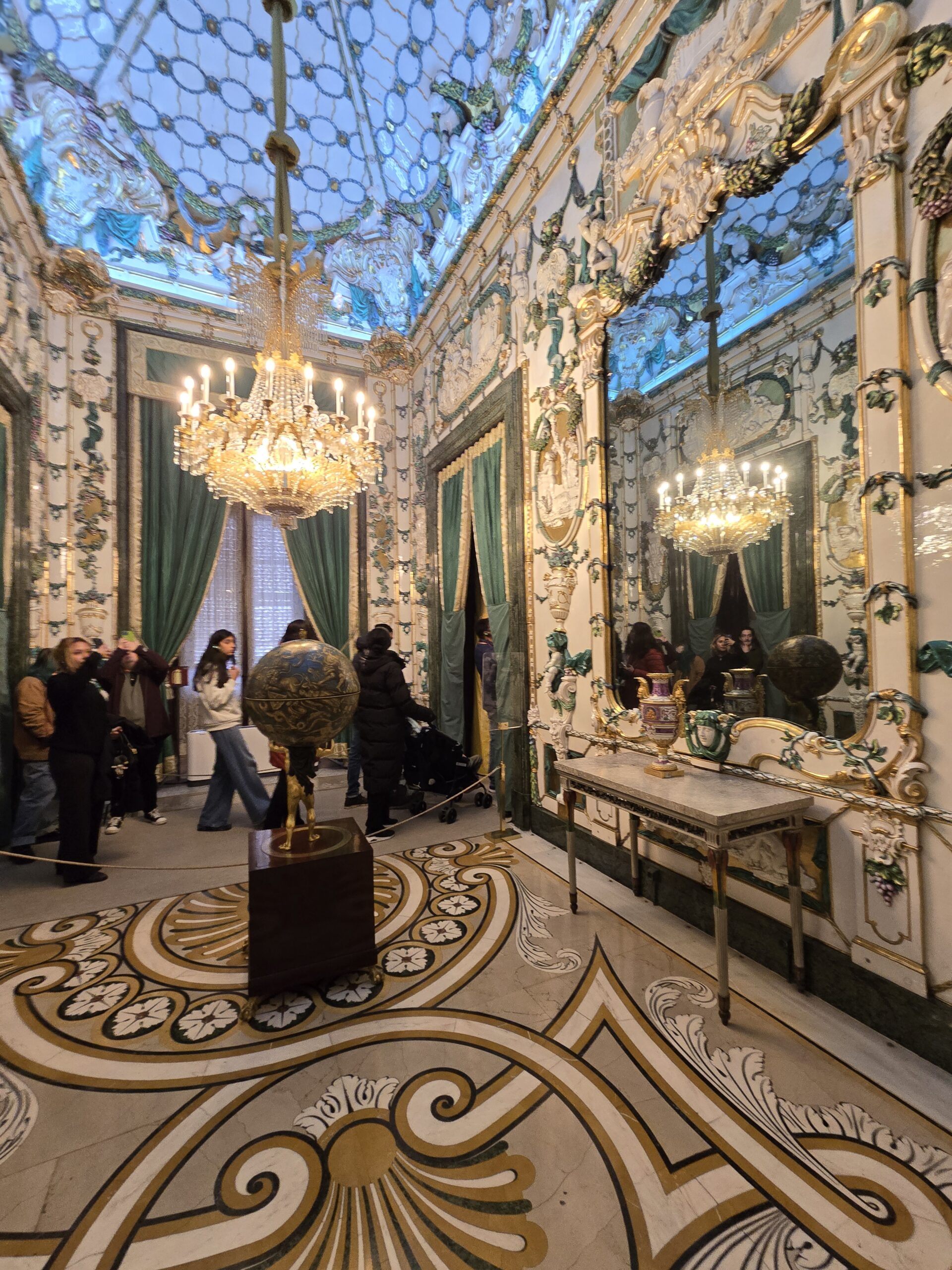
As the palace is still a working government building, only a limited number of rooms are open to the public, generally including the Throne Room, Gasparini Room, Gala Dining Room, and the Royal Chapel. Altogether, I spent about an hour exploring the rooms and halls of the palace, but I suggest adding another hour to your visit if you plan on checking out the Royal Armory and the Campo del Moro Gardens. Entry to the Armory is included with the palace admission ticket, while no ticket is required for the gardens. On this trip, I did not have time to visit either.
My Experience Across Three Palaces: Compared to my other two palace visits, the Royal Palace won in two categories: crowds and ease of navigation. As I shared, my experience at the Imperial Apartments was less than ideal due to the number of people, and my visit was in early May, not typically considered a peak travel season. For the second category, I loved my time at the Munich Residence, but the somewhat confusing navigation and sheer number of rooms and halls left me a bit overwhelmed by the end of my visit. The Royal Palace is considerably easier to navigate and has enough rooms that you can fully appreciate the site without feeling completely exhausted.
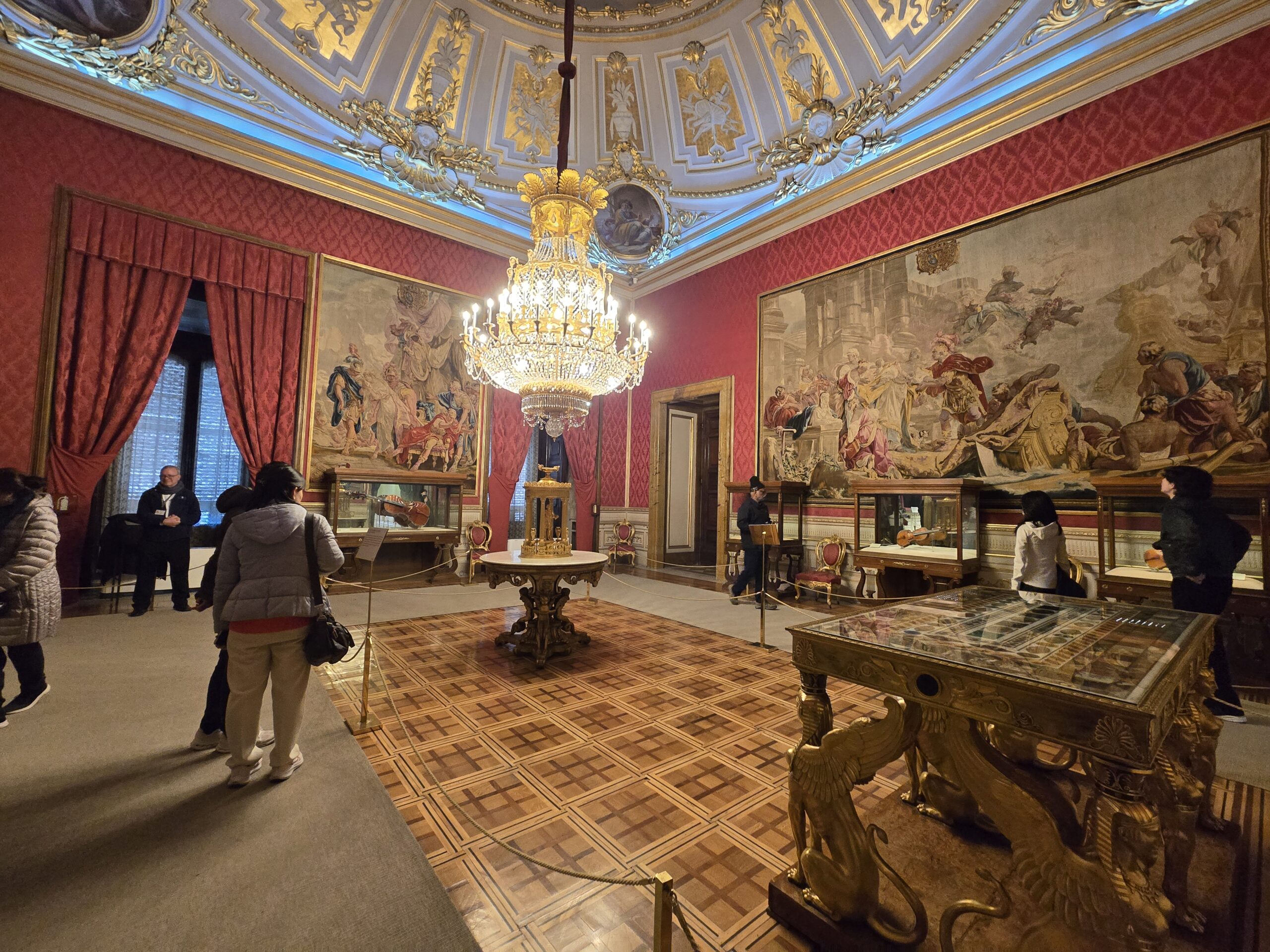
Tickets can be bought in person or online, with online purchases requiring guests to select an entry time slot. I strongly recommend that visitors purchase tickets in advance if planning to visit the Royal Palace during a busy travel season, such as summertime, spring break, or Christmas, as lines can get very long and entry is not guaranteed. I visited the palace on December 23rd, and the lines for the ticket office were very long.
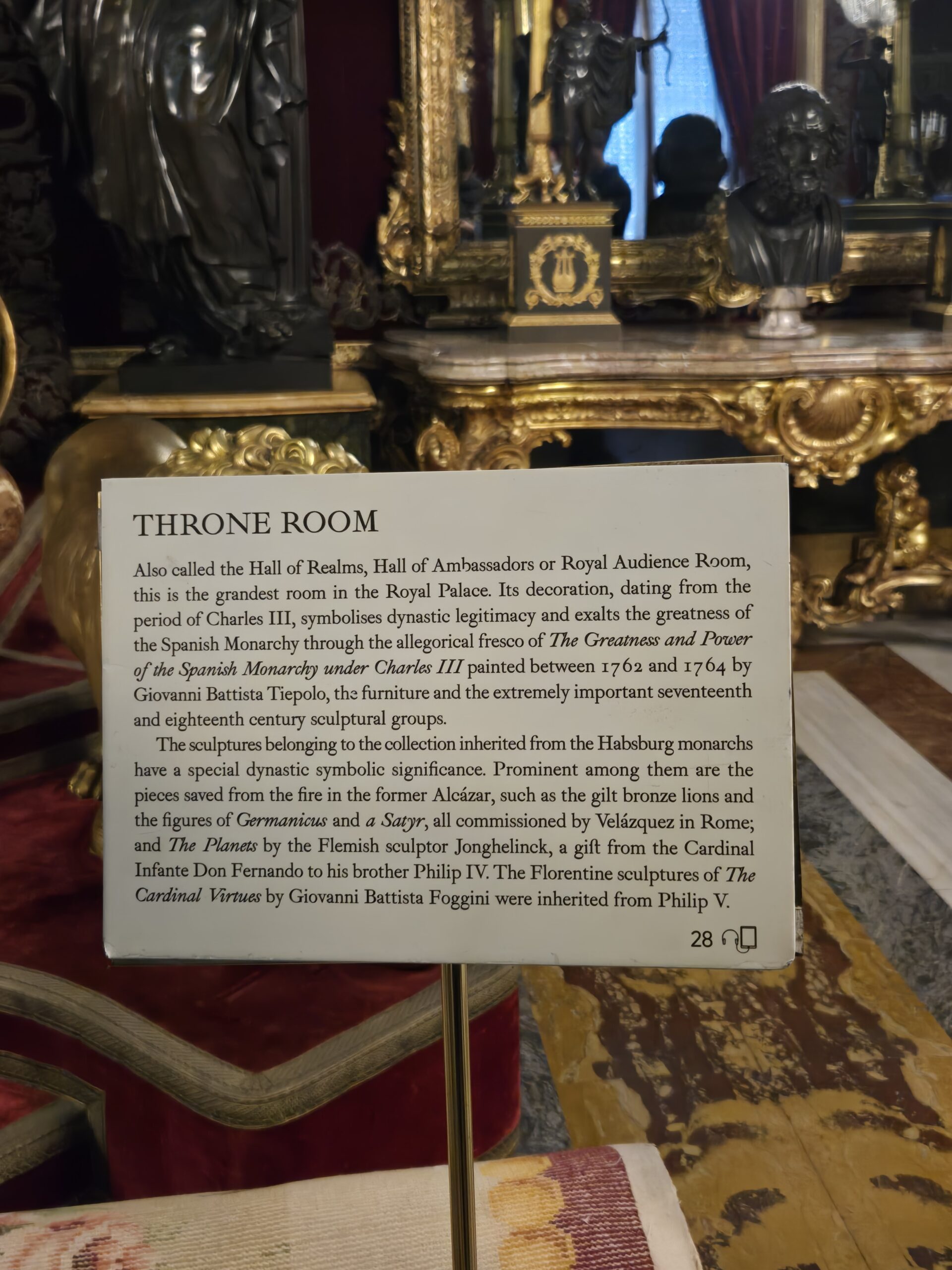
Are the audio guides beneficial? Each room includes a small sign with basic information; however, if you are interested in a more comprehensive overview of the history and art, you may find the audio guide helpful. The Royal Palace offers both audio guide rentals and digital audio guides for an additional fee, available for purchase at the time of your visit. For the digital audio guide, guests must download the official app and bring their own headphones, with an access code provided at the time of purchase. Also, guided tours are available and offered in several languages.

The Royal Palace is fully accessible to those with limited mobility, and there are benches for resting during your tour.

Two combo tickets are available for purchase: Royal Palace + Royal Palace Kitchen and Royal Palace + Gallery of Royal Collections.
Travel Tips
Travelers can turn their visit to the Royal Palace of Madrid into a one-day itinerary exploring some of the best sites the city has to offer. Just steps from the palace, you’ll discover two other noteworthy attractions – the Gallery of the Royal Collections and the Almudena Cathedral.
The Gallery of the Royal Collections is a splendid museum that showcases paintings, royal regalia, tapestries, religious relics, and sculptures collected by the Spanish monarchy over the years. As mentioned earlier, a combo ticket is available that includes both the palace and the museum.
The second site, the Almudena Cathedral, is a magnificent church that includes a museum, a crypt, and access to the dome, where you can enjoy views of the city.
Resources
For additional information, visit the Royal Palace of Madrid website.



Leave a Comment