
Destination guide to Vienna’s world-famous State Opera, including tours, performances, ticket tips, and visitor information.
History
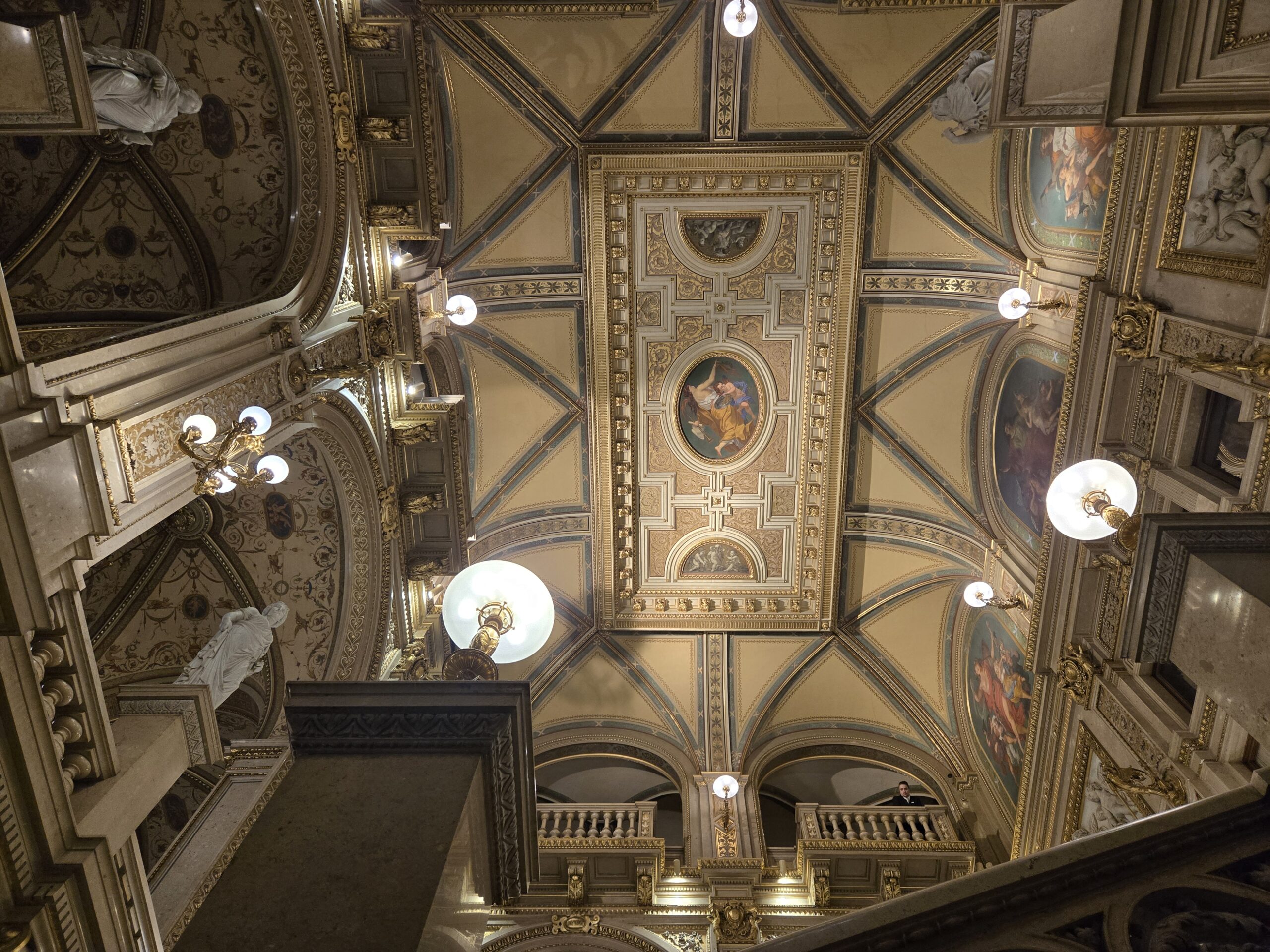
To mark a new era of prosperity in Vienna, an imperial decree called for the construction of several notable buildings, including a new opera house. In July 1860, a design competition was held, and Viennese architects August Sicard von Sicardsburg and Eduard van der Nüll were selected as the winners. Their student, Josef Hlávka, was appointed construction manager. After a series of delays, the opera house officially opened on May 25, 1869, with a performance of Mozart’s Don Giovanni.
Following the fall of the Austro-Hungarian Empire after World War I, the building was renamed the Wiener Staatsoper (Vienna State Opera). After decades of success, the opera house entered a dark chapter in 1938 with the rise of National Socialism, which brought artistic censorship and the persecution of employees. With the onset of World War II, performances were restricted, and then, in 1945, the theater was heavily damaged by bombing. All that remained of the opera house was the main façade, the grand staircase, and the Schwindfoyer.
The Vienna Opera House reopened on November 5, 1955, to much fanfare with a performance of Beethoven’s Fidelio. Today, it stands as a symbol of Vienna’s grand imperial elegance and is considered one of the world’s most prestigious opera houses.
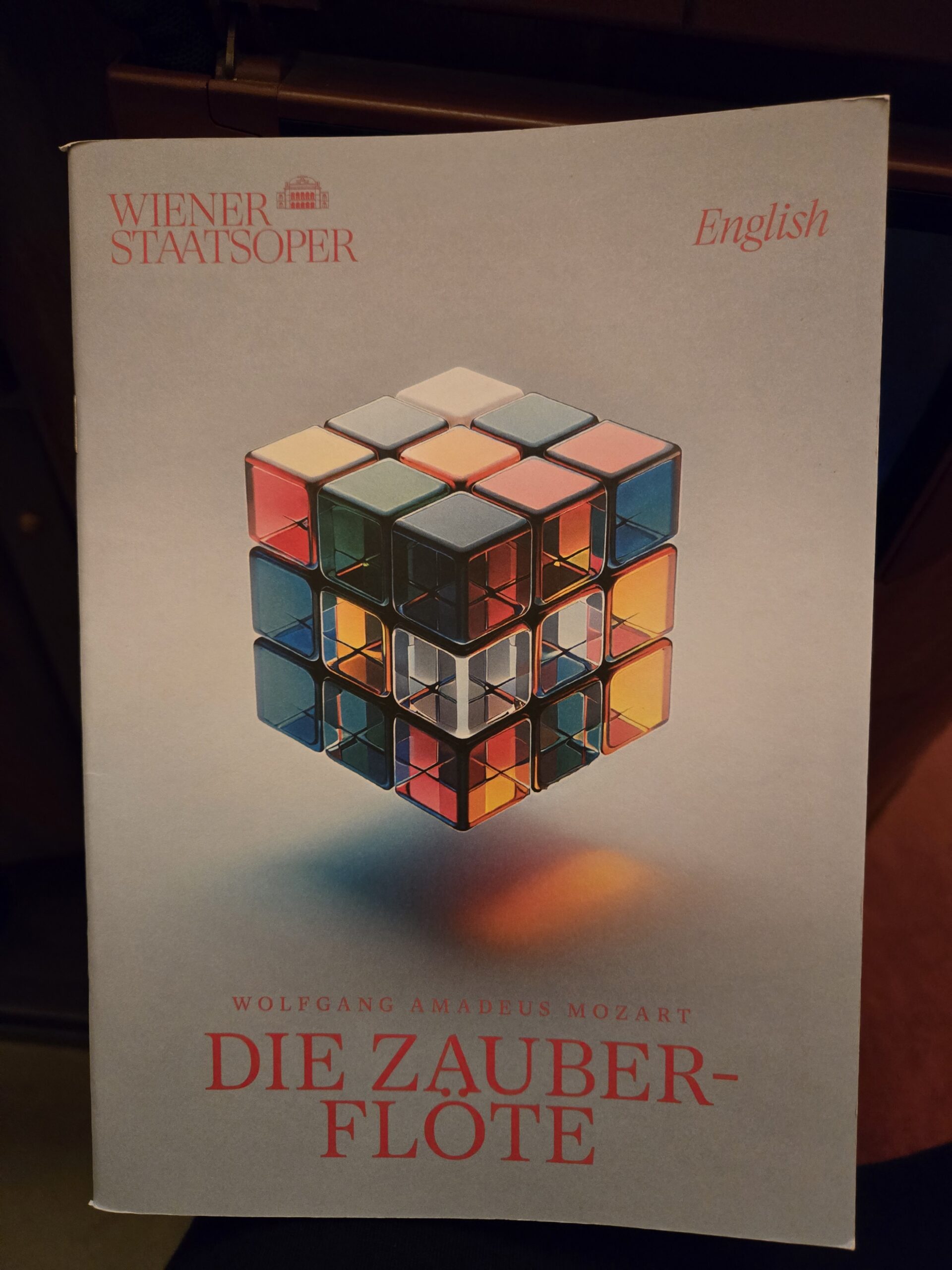
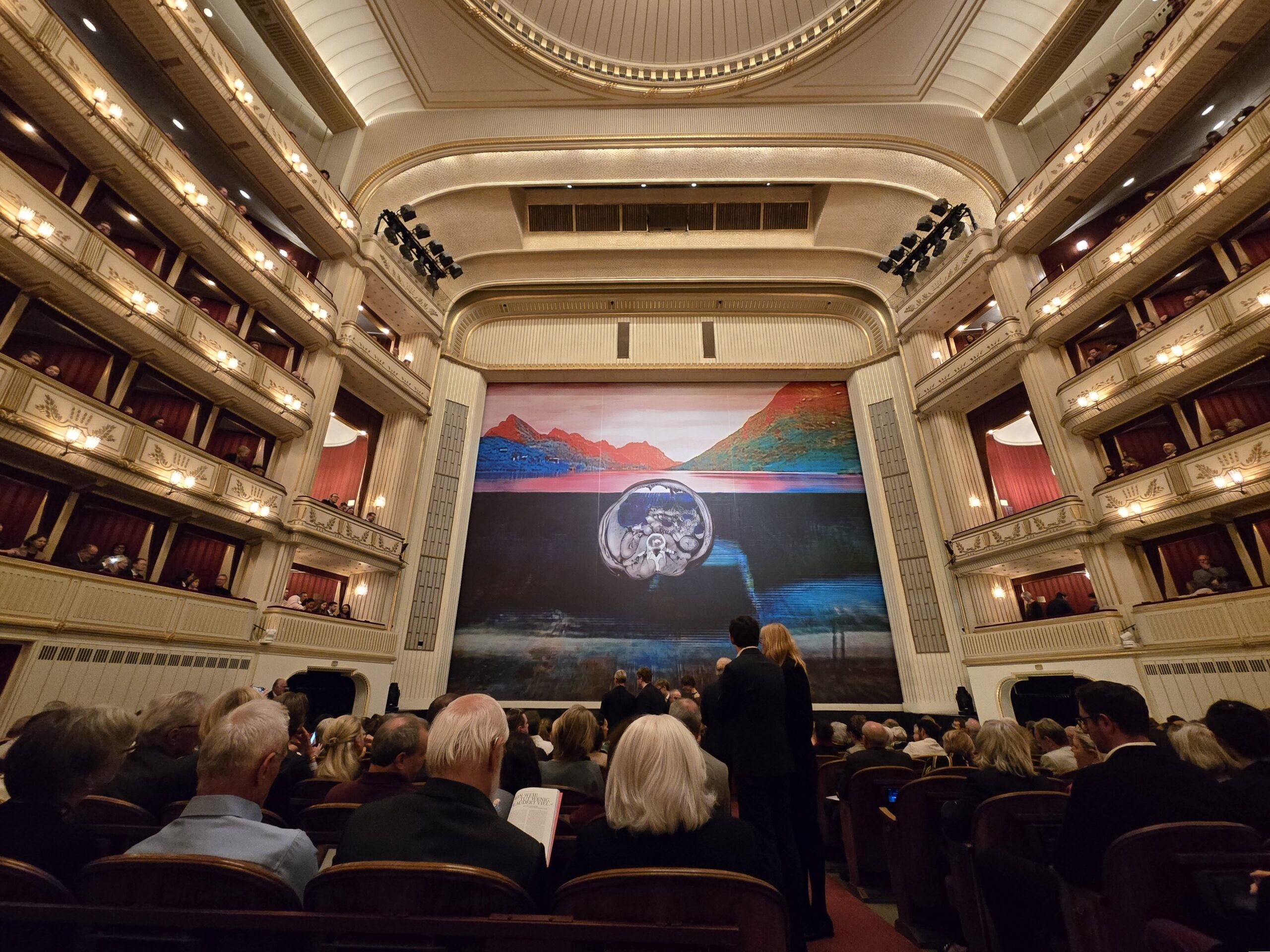
A Dream Come True: I love classical music and opera, so imagine my surprise when I discovered that the opera house was hosting a performance of what is considered Mozart’s greatest work, The Magic Flute, while I was in Vienna. Not wanting to miss the opportunity, I quickly looked into how to secure a ticket. I was informed that general public tickets would go on sale March 1st, 2025, at 10:00 AM Vienna time, or 4:00 AM EST. When March 1st arrived, with coffee in hand, I nervously waited until 4:00 AM, hoping there would be a ticket left. Alas, when the portal opened, to my surprise, there were barely any tickets available, but I was able to quickly grab one. Fast forward to May 5th, and there I was, sitting in the Vienna Opera House watching Mozart’s masterpiece in person!
Visiting the Vienna State Opera House
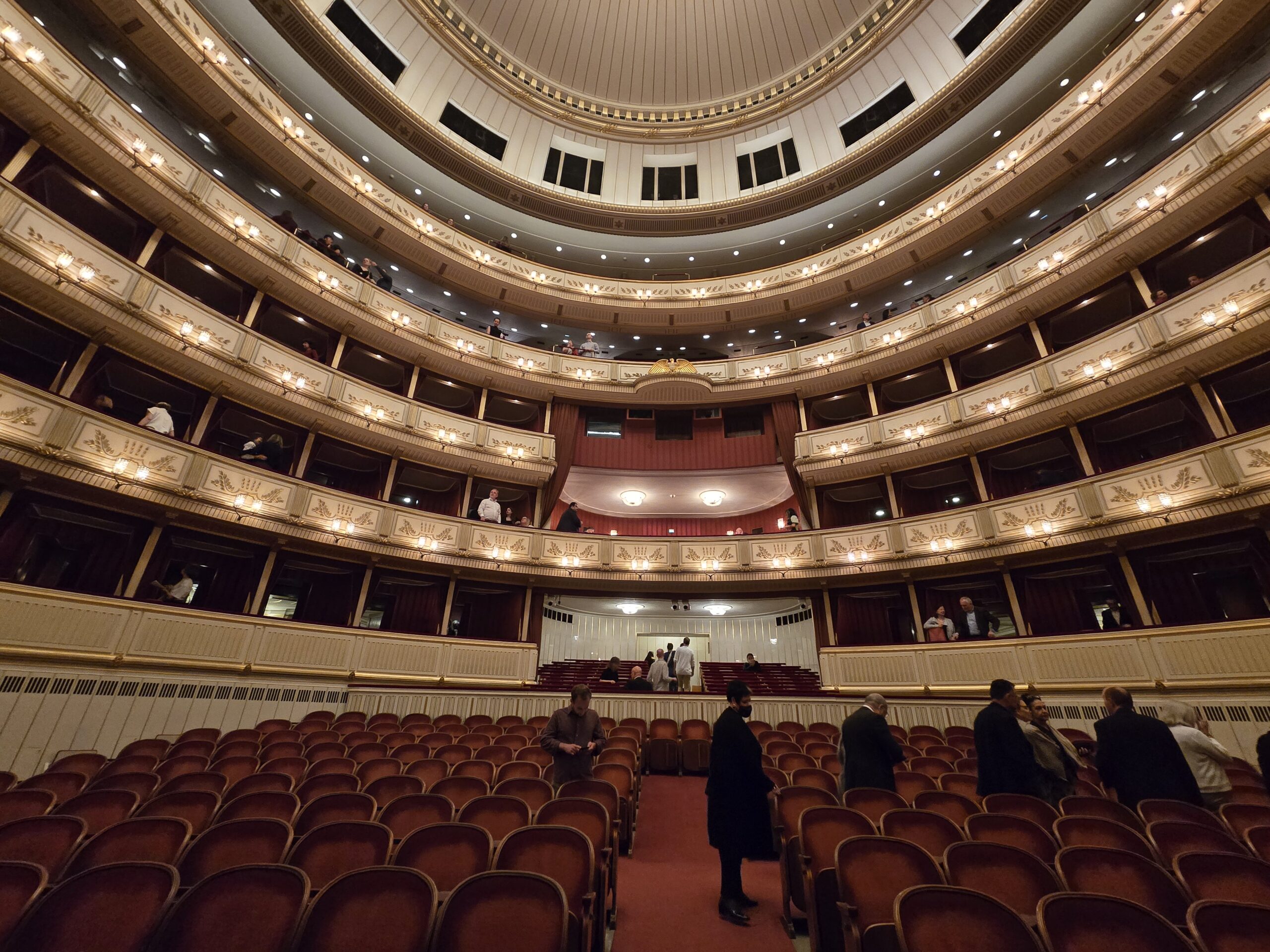
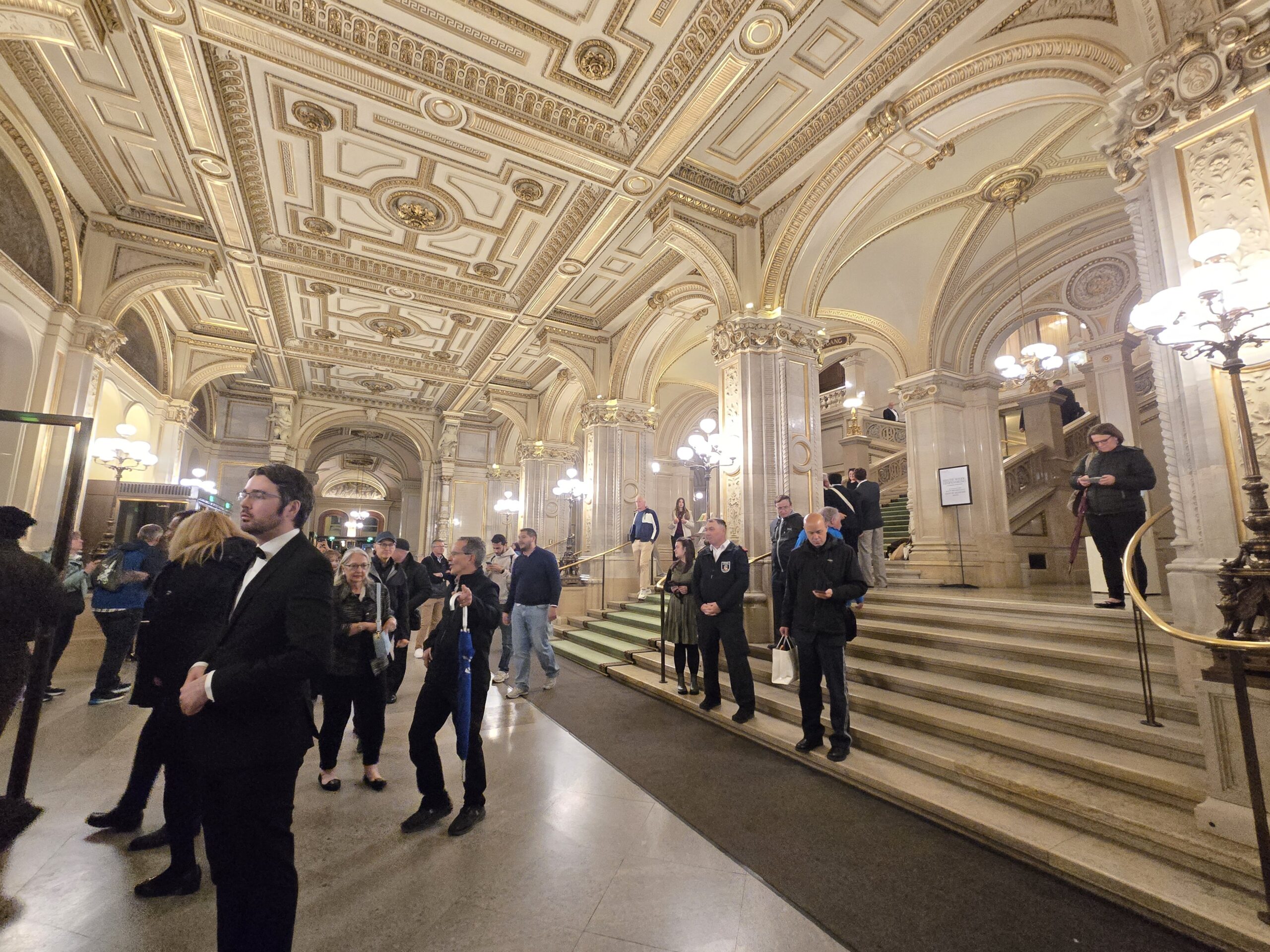
This opera house reminded me of the Hungarian State Opera House, another artistic masterpiece that, in many ways, was inspired by the Vienna Opera House (history lesson: Vienna and Budapest were once sister cities during the Austrian-Hungarian Empire). Before the performance, I only had access to the entrance vestibule and the central staircase, which later made me regret not taking a tour. Similar to the Hungarian State Opera House, the Vienna Opera House offers in-depth tours that allow participants to learn more about the building’s history and artwork, and to visit its state rooms and halls.

Tours last 40 minutes and are mainly offered in German and English, although limited tours are available in other languages. Tickets can be purchased via the online ticket office or 30 minutes before the tour start time.
The Vienna Opera House hosts over 300 opera and ballet performances each season, accompanied by the renowned State Opera Orchestra, whose musicians are members of the Vienna Philharmonic Orchestra. Together, they bring to life the world’s largest repertoires. Along with opera and ballet, the opera house also hosts concerts, recitals, and an opera ball.
The performances take place in the stunning auditorium, which has a capacity for over 2,000 people. Patrons can either purchase a seat or view the show from a standing-room area. From experience, as I shared in my story, I strongly recommend buying tickets in advance and contacting the ticket office to confirm when general public tickets go on sale. You can also reach out to inquire about the pre-order process. For standing-room access, tickets can be purchased online or at the box office the morning of the performance. There is also a standing-room-only box office that opens 80 minutes before a show.
I suggest arriving at least 40 minutes before a performance to allow time to pass through security, visit the cloakroom (if needed), and purchase a program.
The Vienna Opera House is centrally located and is close to other notable sites such as the Hofburg Palace, St. Stephen’s Cathedral, and Kunsthistorisches Museum. This makes it convenient if you wish to stop by for a guided tour, or enjoy coffee and a sweet treat at the opera house’s Café-Bar-Aperitivo.
When it comes to the dress code, the Vienna Opera House is definitely one of the dressier theaters that I have visited. The evening I attended The Magic Flute, I saw ladies in everything from dressy blouses and skirts to elegant evening gowns, while most gentlemen wore button-down shirts with ties or suits. To my surprise, I saw some individuals wearing jeans. I sat in the 12th row from the stage, and my section of the auditorium was definitely fancier than others, so based on my experience, it seems that where you sit can influence how you dress for the opera.
During intermission, the lines at the various bars can get long, so it is recommended that you reserve a table for food and drinks before the show. Reservations can be made online.

The auditorium is accessible to those with limited mobility, but, given the building’s historic nature, guided tours are not barrier-free at the moment.
Resources
For more information, please visit the Vienna Opera House website.


Leave a Comment