
A guide to planning your trip to Helsinki, including key facts, itinerary ideas, an interactive map, and links to destination guides.
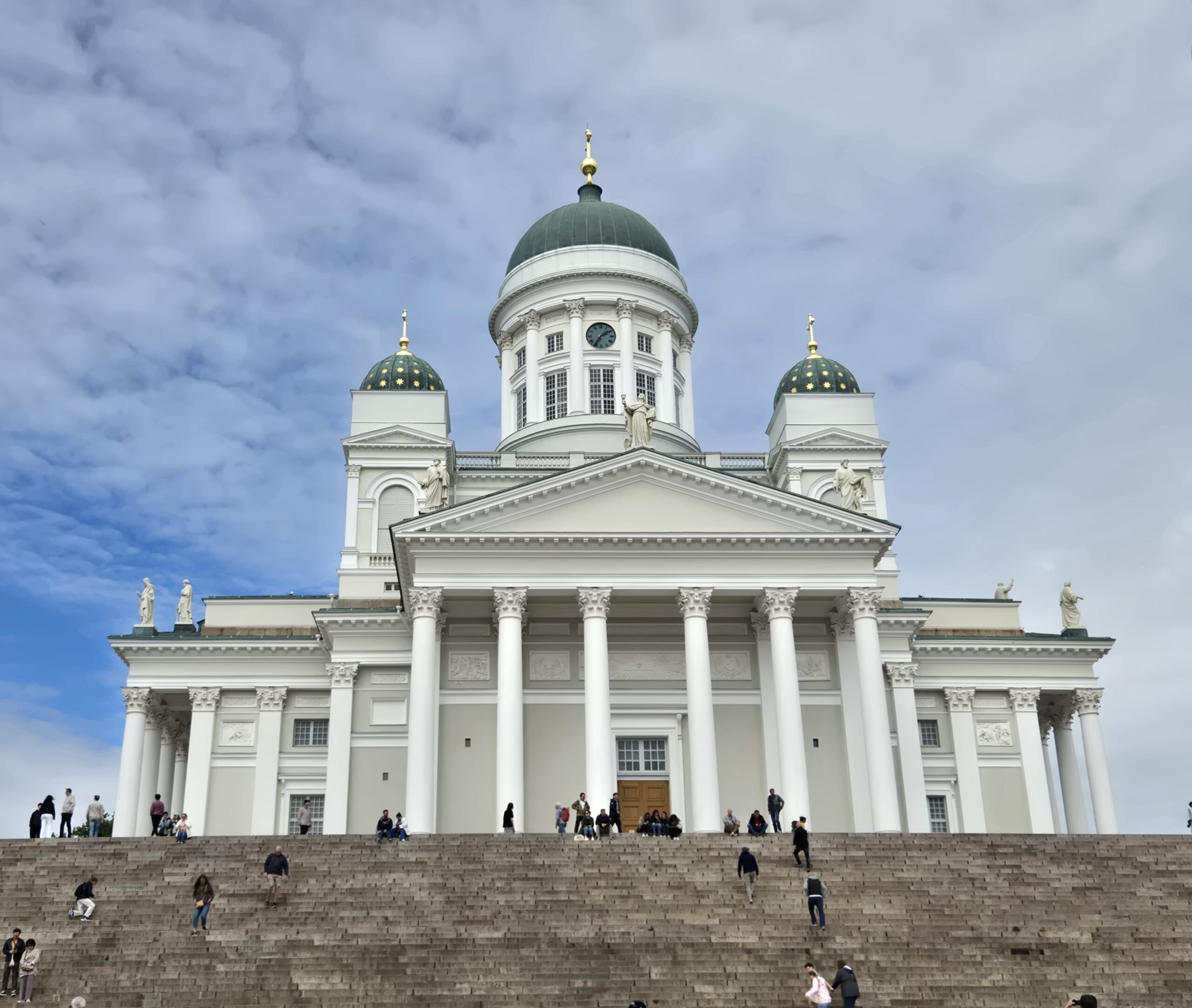
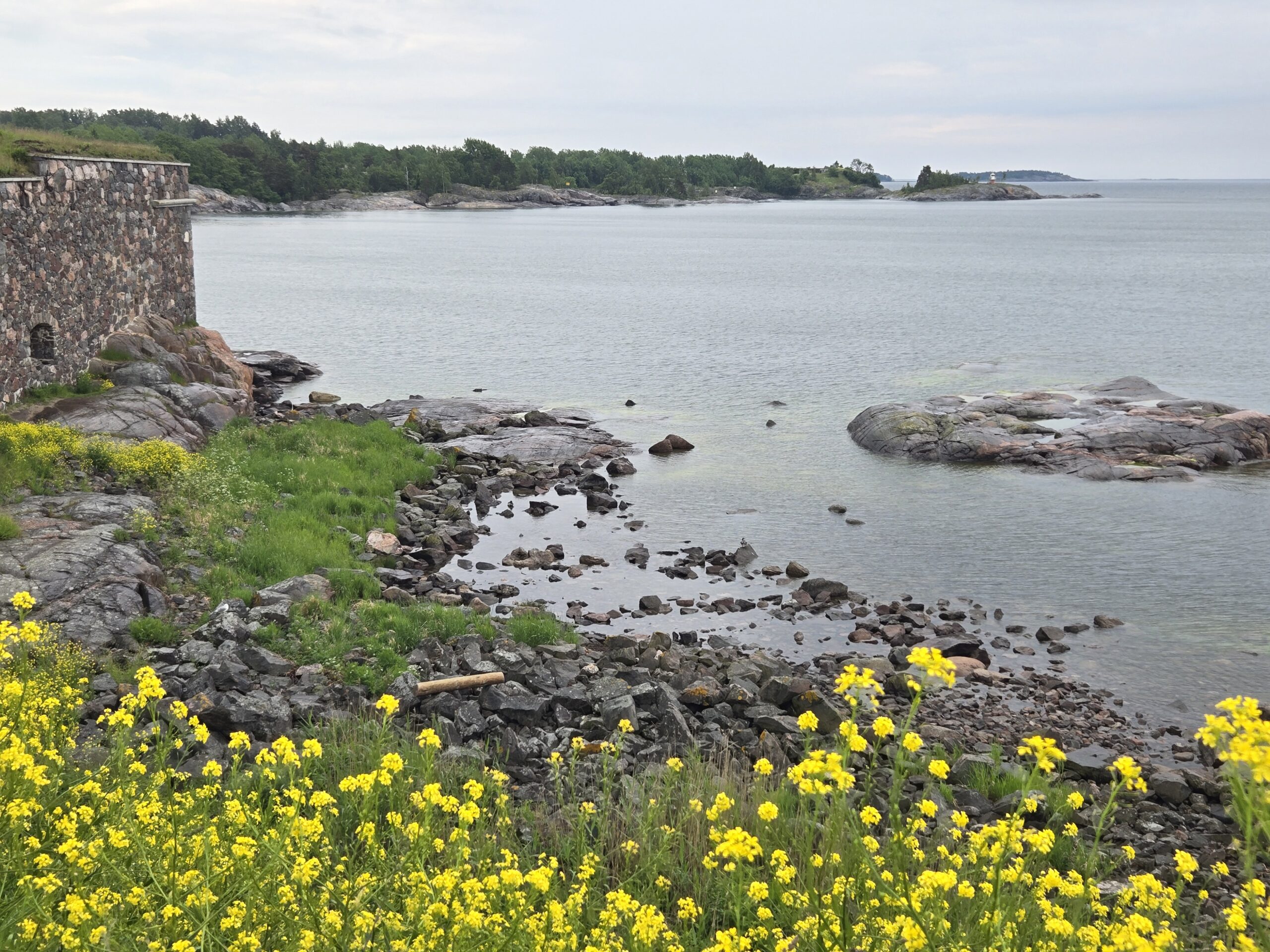
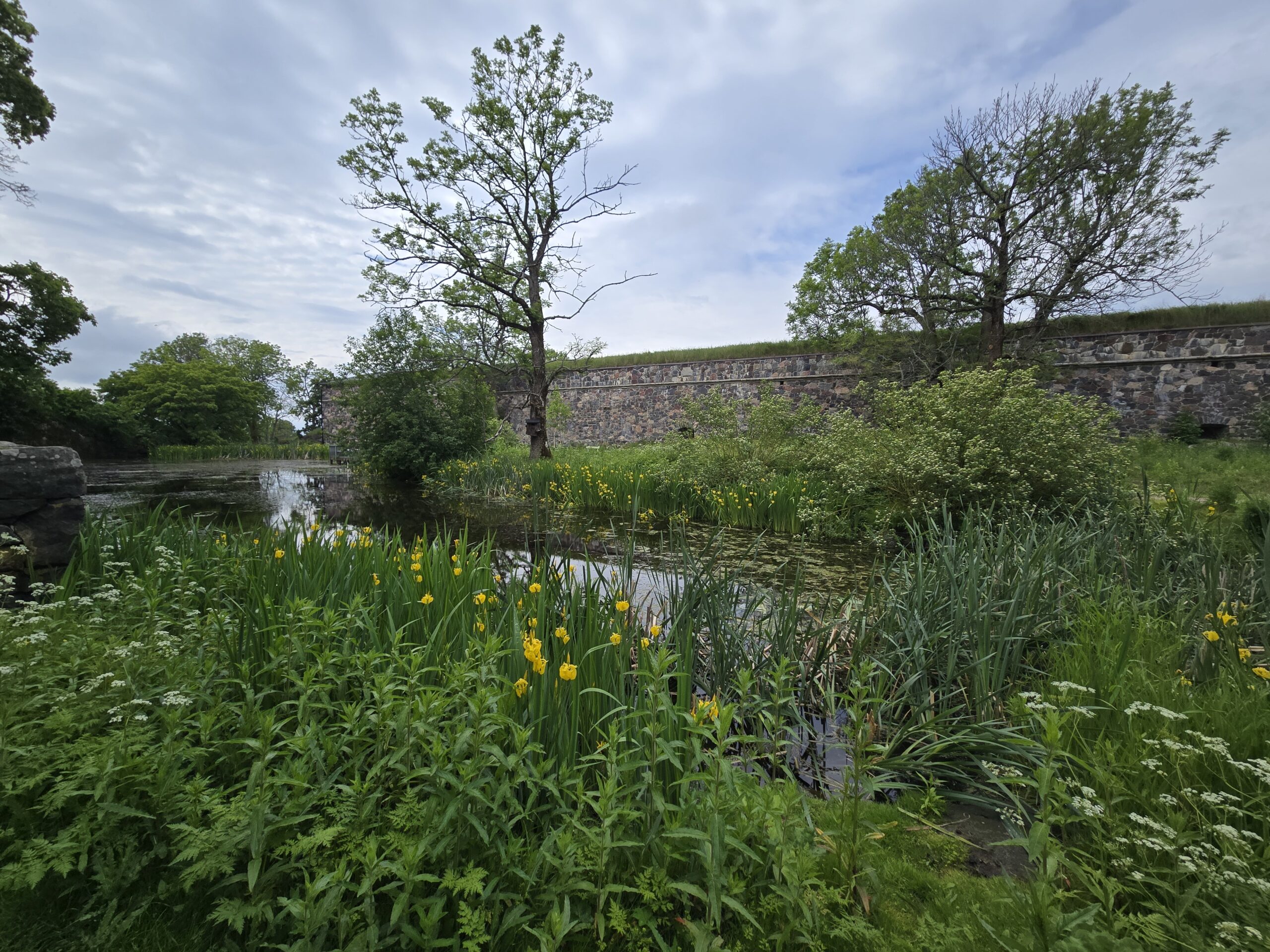
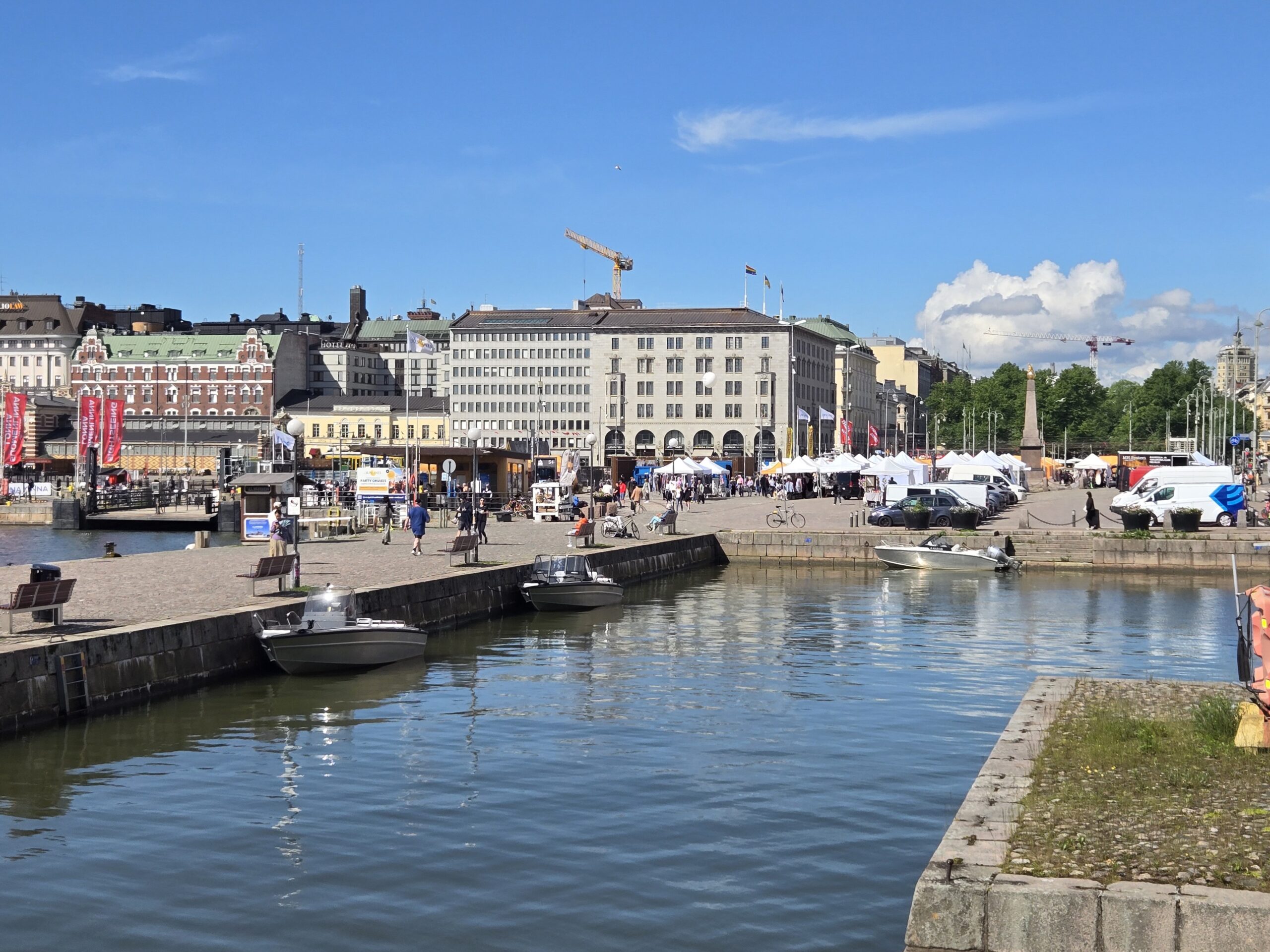
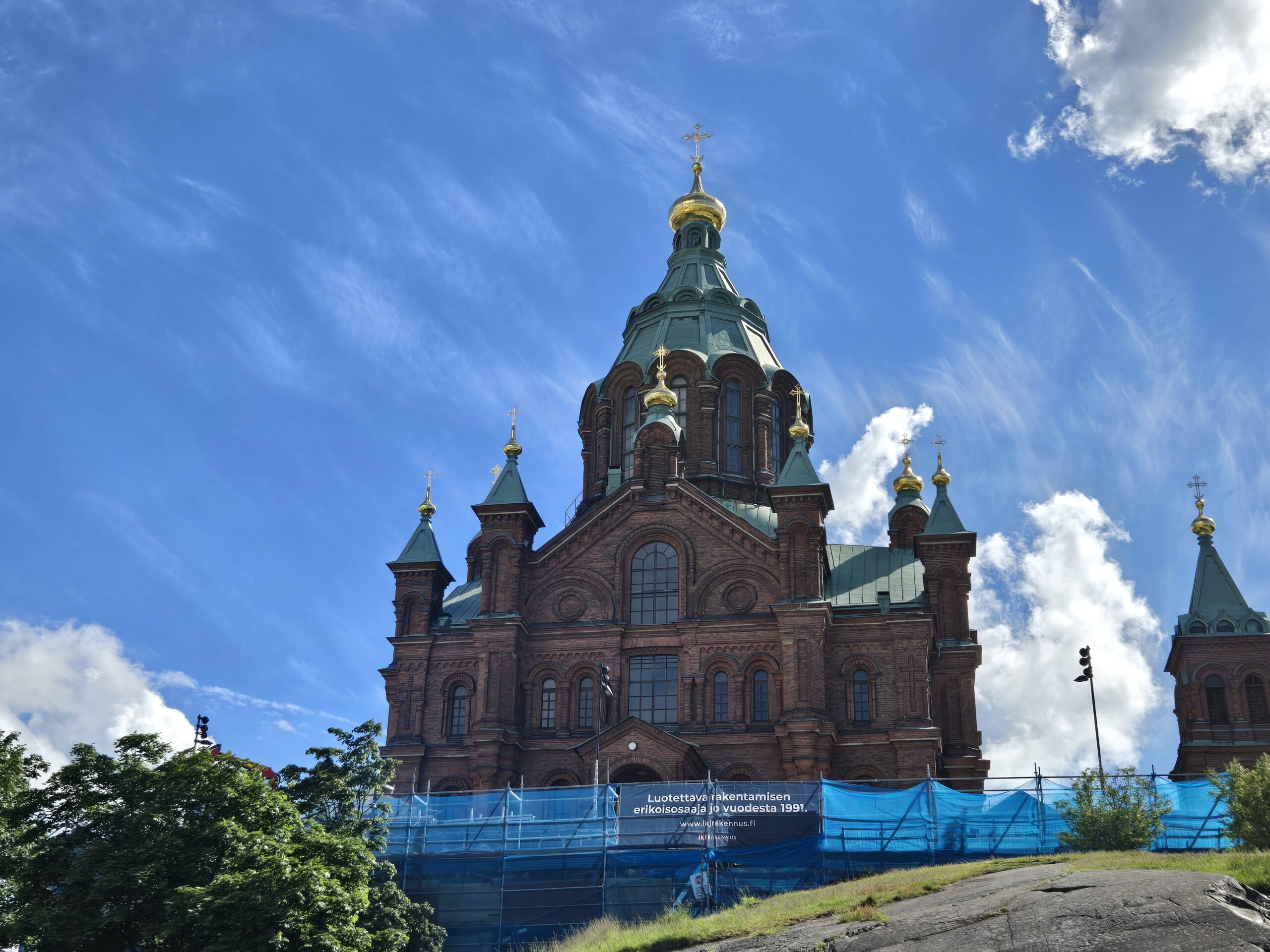
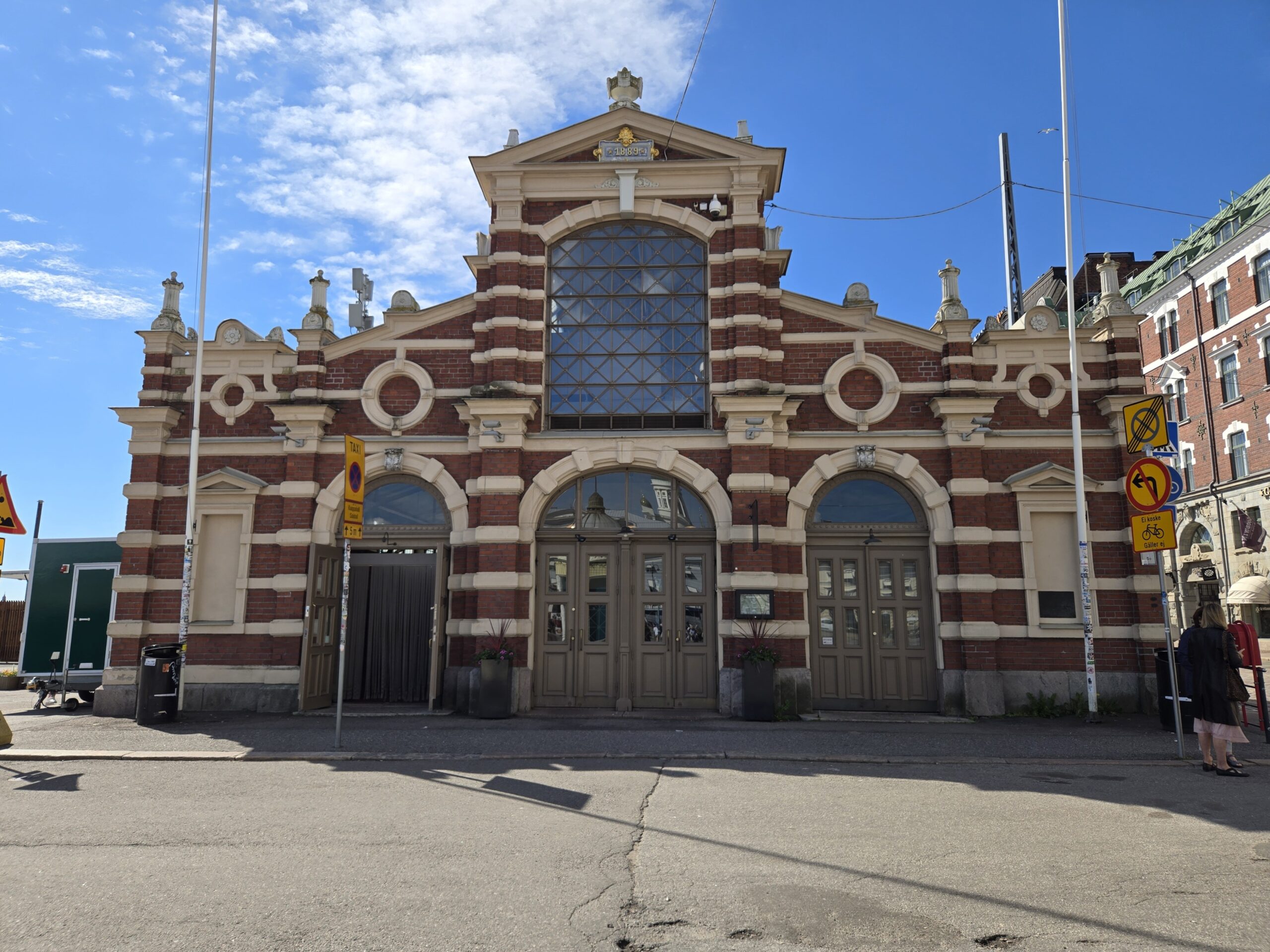


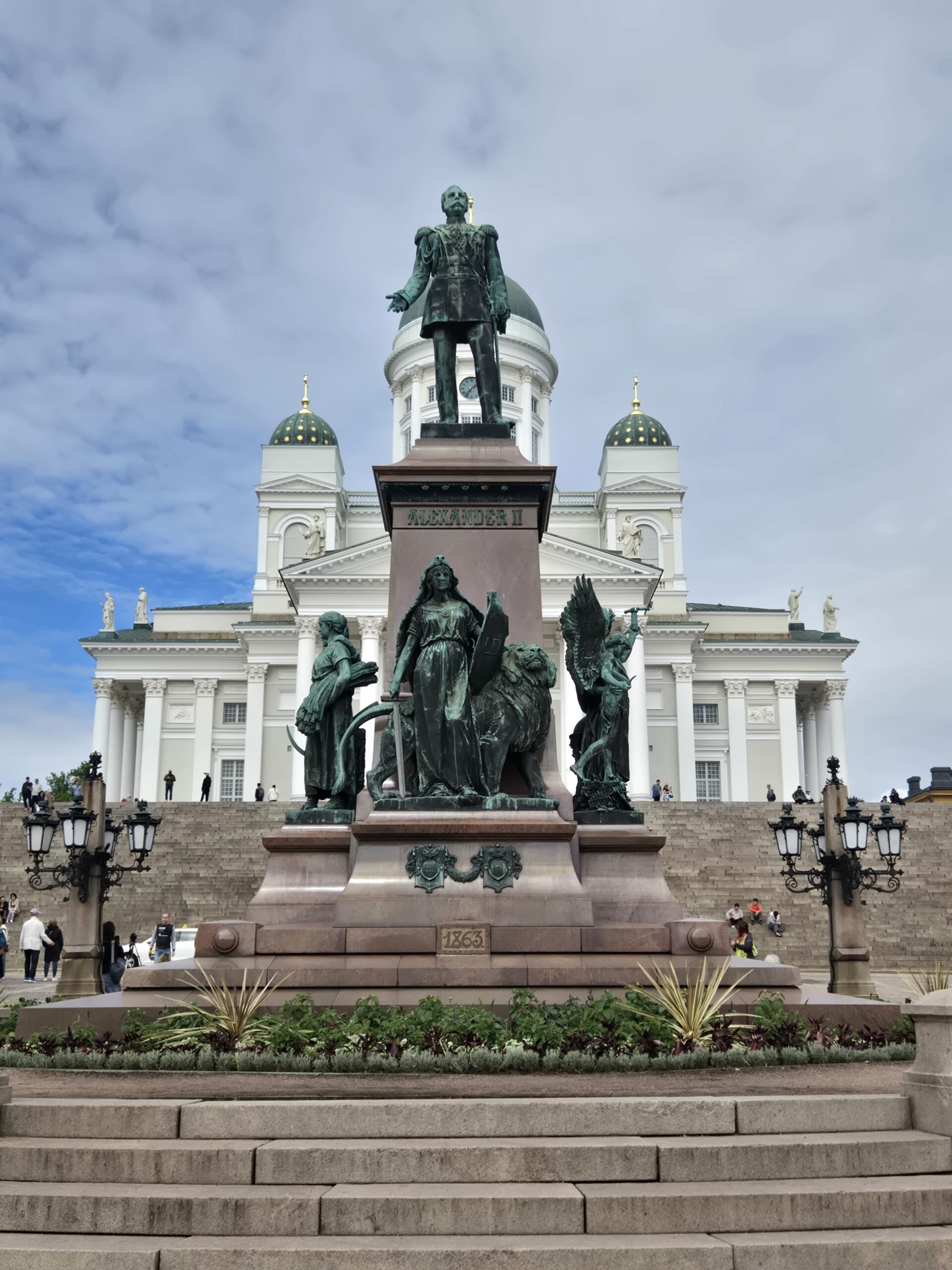
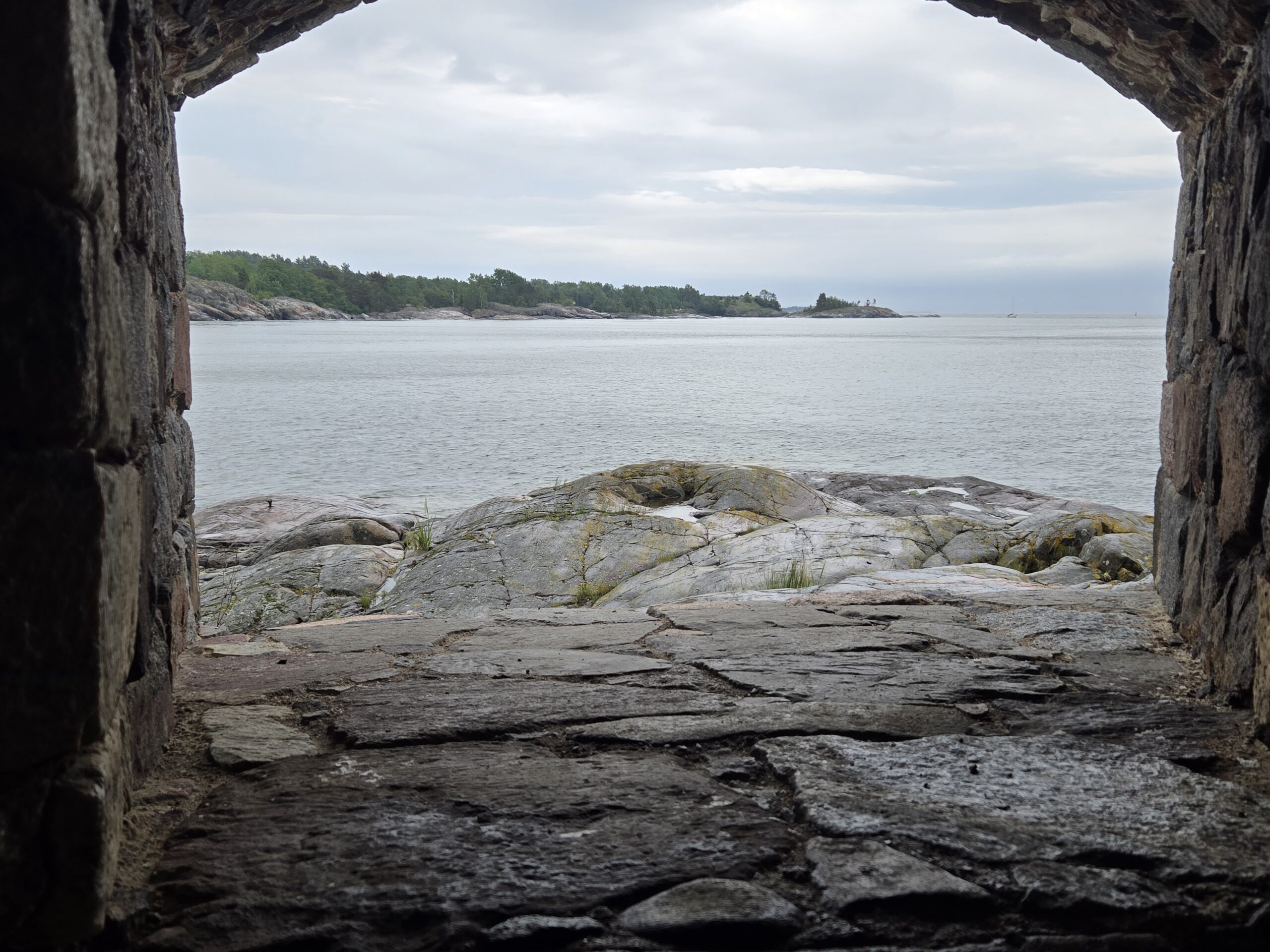
Compared with many of Europe’s major capitals, Helsinki is unique in that it has little medieval history, as it was founded in 1550. While the city may be younger than most, it still has a rich history dating back to its years as a Swedish outpost and later as a Grand Duchy under Russian rule. Travelers visiting Helsinki will discover this history in the city’s iconic churches, fascinating museums, and the UNESCO World Heritage Site, Suomenlinna Sea Fortress. They will also enjoy lively city squares and markets, beautiful waterfronts, an abundance of nature, and a people proud of their heritage.
Inspiration
What made me choose Helsinki? The city’s international airport. Yes, it may sound crazy, but I was very interested in visiting Tallinn (Estonia), and while planning my trip, I discovered that all the best flights connected in Helsinki. So I decided that instead of just making a connection, I would spend a few days exploring the city before taking the ferry to Tallinn. It wound up being a great choice because Helsinki was absolutely wonderful – beautiful city squares and parks, interesting museums, delicious food, and Suomenlinna Island was a dream!
Travel Style
My trip to Helsinki and Tallinn was initially planned as a solo adventure, but then I had two special people who wanted to come along – dad and mom! My parents spent four days in the city, while I was there for three. Despite the short stay, we were able to visit several sites and spend a day exploring Suomenlinna, thanks in part to how walkable the city is and the reliability of its ferry service. Helsinki does have a robust public transit system, but since our hotel was centrally located, we were able to walk to most places. This is definitely a great city for solo travelers: easy to navigate, fewer crowds, a more relaxed atmosphere. I definitely plan to revisit Finland when I visit its Nordic neighbors, Sweden and Norway.
Itinerary
Saturday: After a series of diversions and delays, I finally landed in Helsinki at 11:30PM, 13 hours later than expected.
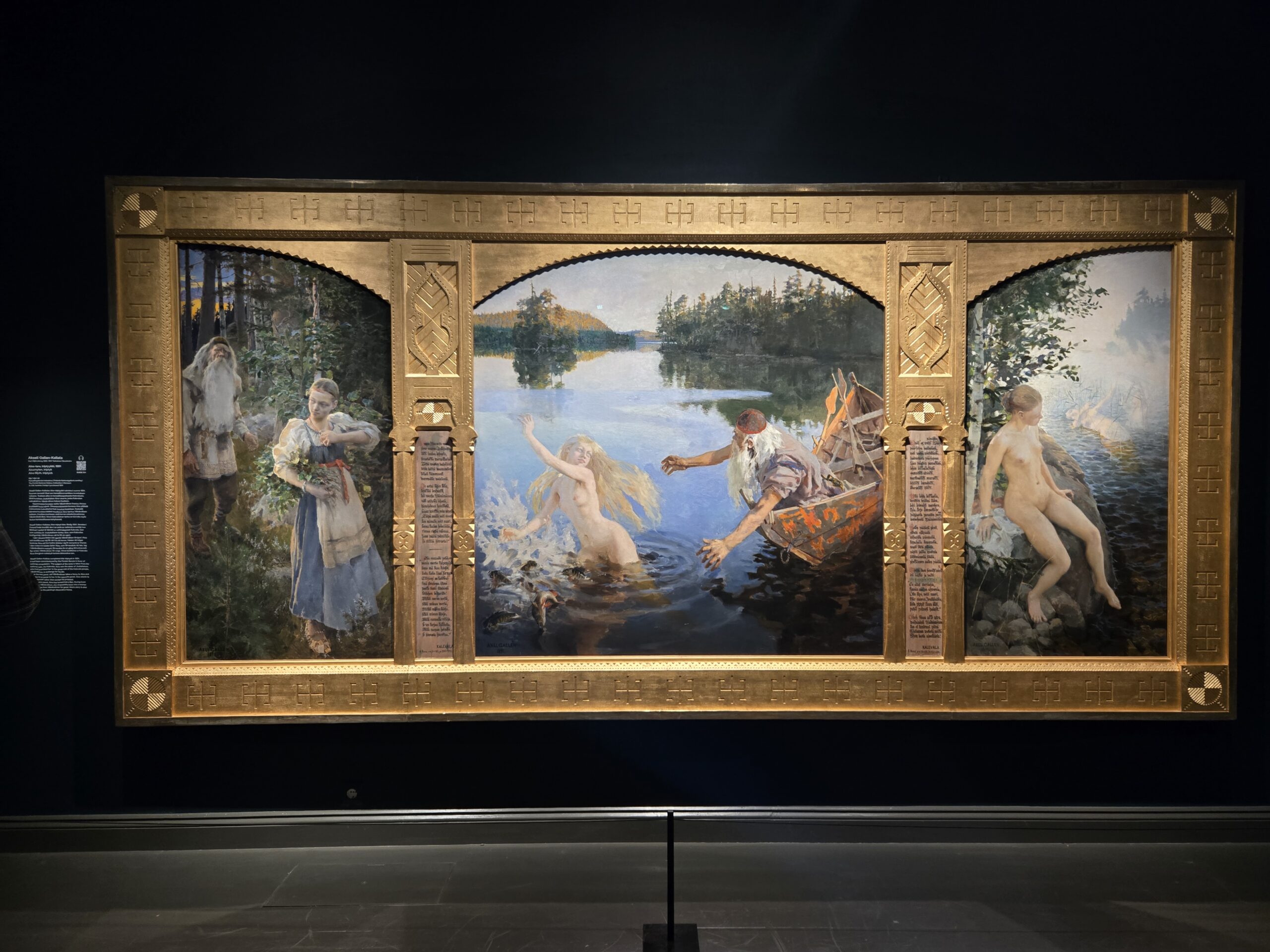
Sunday: Between the rainy weather and my jet lag, the family took it easy today. We started the day by visiting the Ateneum Museum and then exploring two of Helsinki’s famous markets – Kauppatori (Market Square) and Old Market Hall. In the evening, we enjoyed a memorable dinner at Seahorse.
Monday: Today was another rainy day but that did not put a damper in our plans. We caught the ferry to Suomenlinna Island, where we spent the majority of the day exploring this UNESCO World Heritage site. In the evening, as the weather had improved, we were able to enjoy an evening stroll through the Esplanadi and around the harbor.
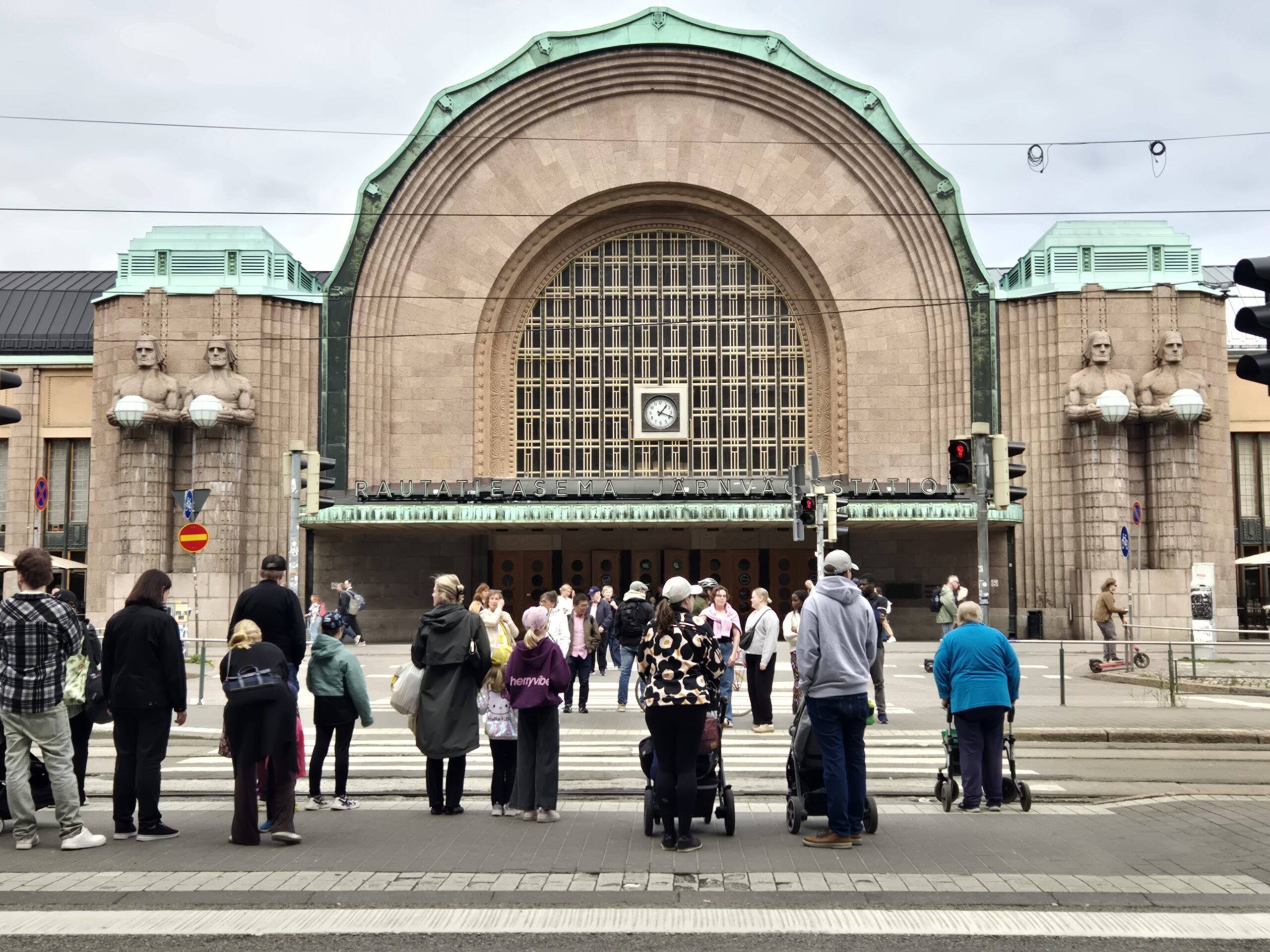
Tuesday: On our last day, we explored two landmark churches – Uspenski Cathedral and Helsinki Cathedral – and stopped by the newly reopened City Museum. After lunch, we meandered around Helsinki, enjoying its beautiful parks and squares, before heading back to the hotel to pick up our luggage. That evening, we caught the ferry to Tallinn.

Excited about Helsinki and ready to book a trip? Explore these destination guides for insights on what to expect, admission discounts, accessibility details, and more. ⬇️
(Detailed destination guides for the sites and logistics listed below will be added as they are published.)
Logistics
Itinerary Ideas
Lodging Guide
Dining Guide
Transportation Guide (Ferry to Tallinn)
Sites
Ateneum Museum
City Museum
Churches of Helsinki
(Uspenski Cathedral & Helsinki Cathedral)
Markets of Helsinki
(Kauppatori & Old Market Hall)
Suomenlinna Island
Helsinki Interactive Travel Map
Fellow adventurers, here is a great map to help you plan your trip to Helsinki. I created this map while planning my own trip, and later added the restaurants I visited. I didn’t have time to see all the sites on my to-do list, but I left them on the map for reference.
Check out this travel guide to learn how to create your own My Maps for your next trip.

Click on each icon to get more information, such as address, phone number, and website, for each site. You can also select the option to view the site in Google Maps.
| Purple ~ Museums | Red ~ Restaurants | Orange ~ Photo Stops |
| Green ~ Churches | Blue ~ Hotel | Brown ~ Ferry Piers |
Helsinki Key Facts for Travelers
Language: Helsinki’s primary language is Finnish. Finnish is a challenging language to learn and understand, but fortunately, many in Finland speak at least some English. This reduces barriers to communication, especially in restaurants, hotels, and attractions. If you need assistance, Google Translate is a great, free app that I used to translate menus and signs at the markets.
Weather: Given its northerly location, Helsinki’s winters are harsh, with freezing to sub-freezing temperatures, slushy snow, and minimal daylight. This is not an ideal season for sightseeing, but some travelers may enjoy the holiday festivities and the relaxing experience of a traditional Finnish sauna. May brings spring, milder temperatures, and beautiful blooms. June through August tend to have warmer temperatures, highs in the 70s (F), and plenty of sunlight with daytime lasting more than 18 hours each day. September and October mark the fall season, which means cooler weather with highs generally in the 40s to 50s (F). I visited Helsinki in mid-June, and the first two days were rainy and windy with highs around 62 (F). In the evenings, temperatures dropped to about 50 (F). On the third day, it was very sunny and a pleasant 70 (F).
Safety: Now, to an important topic everyone has in mind: safety. Is Helsinki a safe city? Yes. Honestly, of all of the European cities I have visited thus far, Helsinki has felt the safest. And I think the minimal crowds played into that because I wasn’t on constant high alert for potential pickpockets at the outdoor markets and city squares.
Transportation: Similar to other major European cities, Helsinki has a reliable public transit system that consists of trains, buses, and trams. Travelers also have the option to take the train from Helsinki International Airport to the city center to save money. That was my original plan, but since I arrived almost at midnight, I opted for a taxi. Before exiting the airport, there are signs by the door listing the taxi fares for the 4 major cab companies.
Currency: The Euro is the main currency in Helsinki. I ordered cash via Bank of America before the trip, but ATMs are available at the airport and throughout the city. Credit cards are widely accepted, and the only times I used cash were at some stores on Suomenlinna Island, at one stall in the outdoor market, and to tip the hotel housekeeping staff.
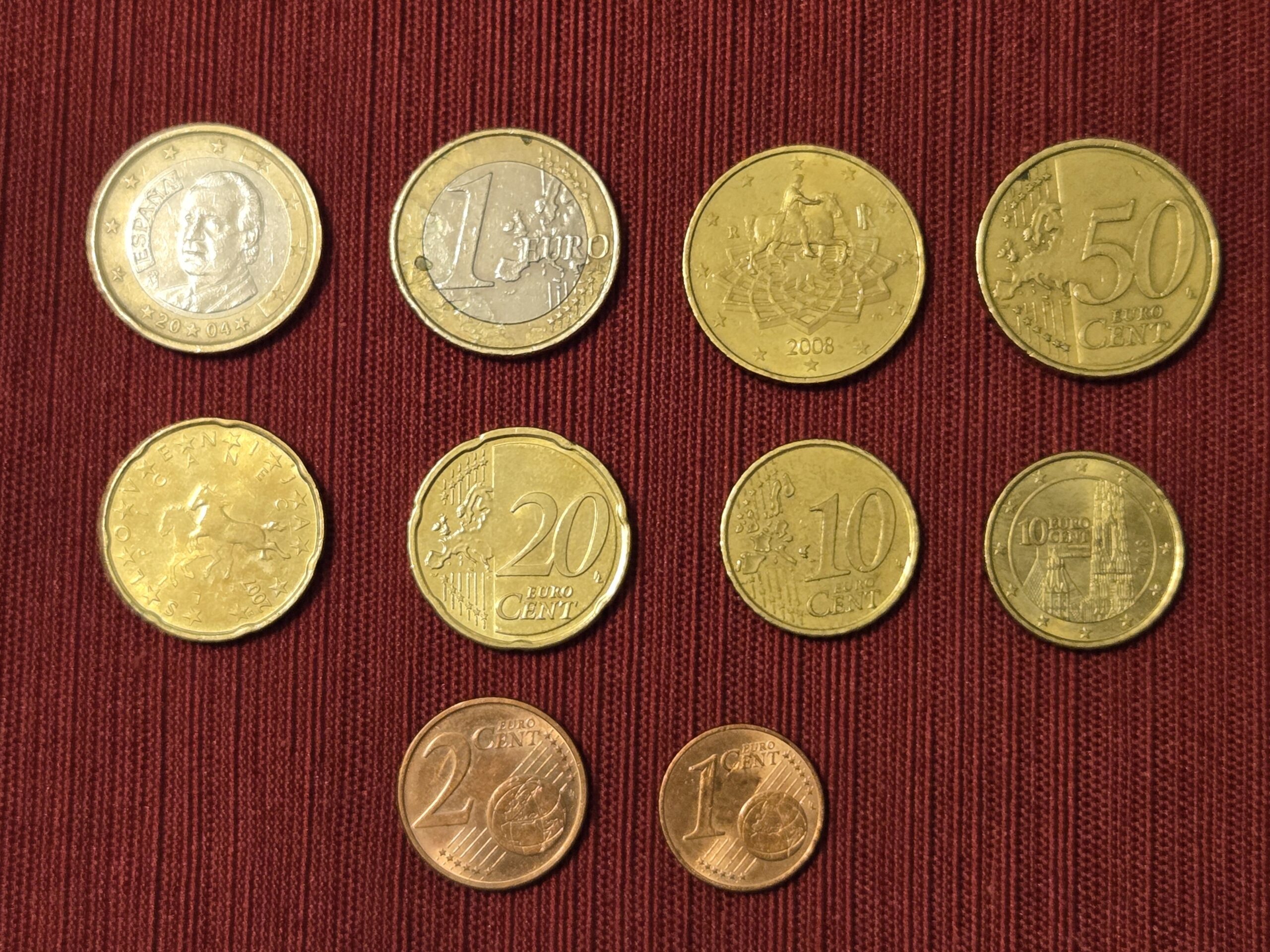
It is recommended that travelers use ATMs affiliated with Finnish banks, as 3rd-party ATMs may not be secure.


Leave a Comment