
Destination guide to Charleston’s Aiken-Rhett House, a historic home preserved in “as found” condition with original rooms, outbuildings, slave quarters, and an art gallery.
History
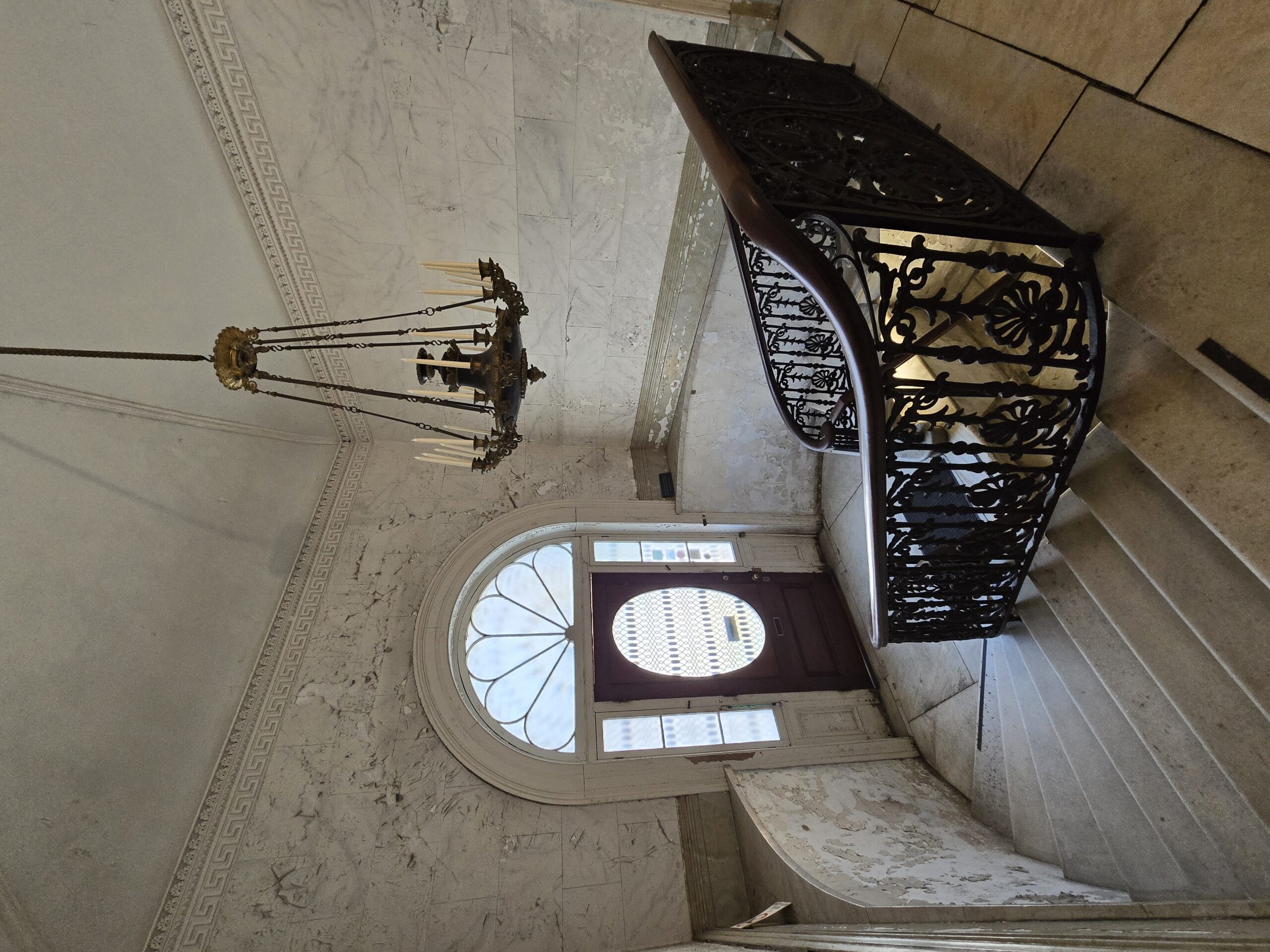
Built in 1820 by merchant John Robinson, the Aiken-Rhett House was designed in the Charleston double-house style. In 1827, Robinson sold the home to William Aiken Sr., another prominent Charleston merchant. From that point, the Aiken-Rhett house would remain in the family for 142 years until it was sold to the Charleston Museum in 1975.
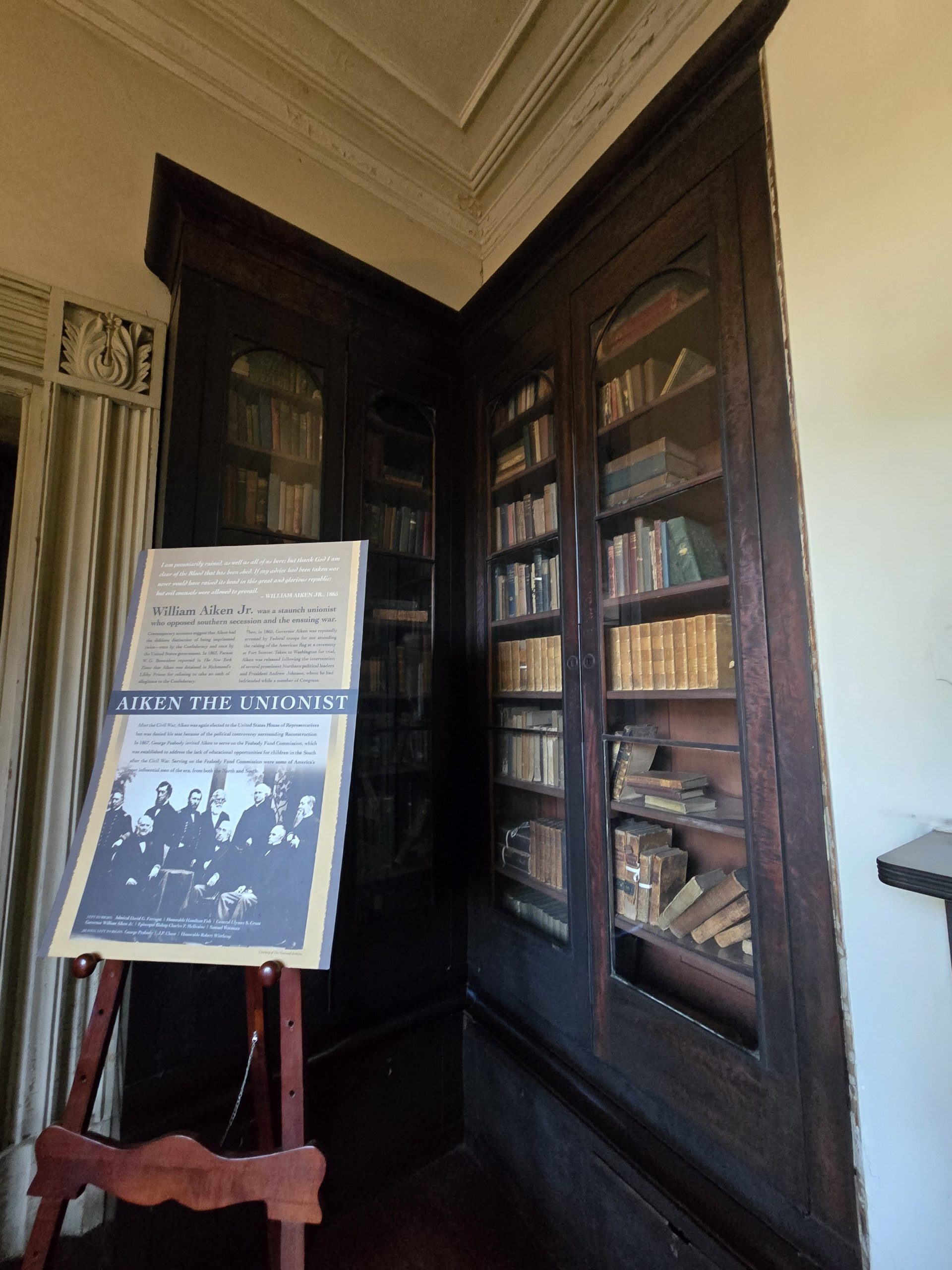
After the passing of Aiken Sr., his son, William Aiken Jr., assumed ownership of the Aiken-Rhett house and, in 1833, made it his primary residence. Aiken Jr., who served as South Carolina’s Governor and was a businessman and rice planter, lived in the home with his wife, Harriet, and daughter, Henrietta. When Aiken Jr. died in 1887, Harriet and Henrietta inherited the house. Henrietta continued to reside at the Aiken-Rhett house with her husband, Andrew Burnet Rhett, and their five children, two of whom would live at the house until the mid-twentieth century.
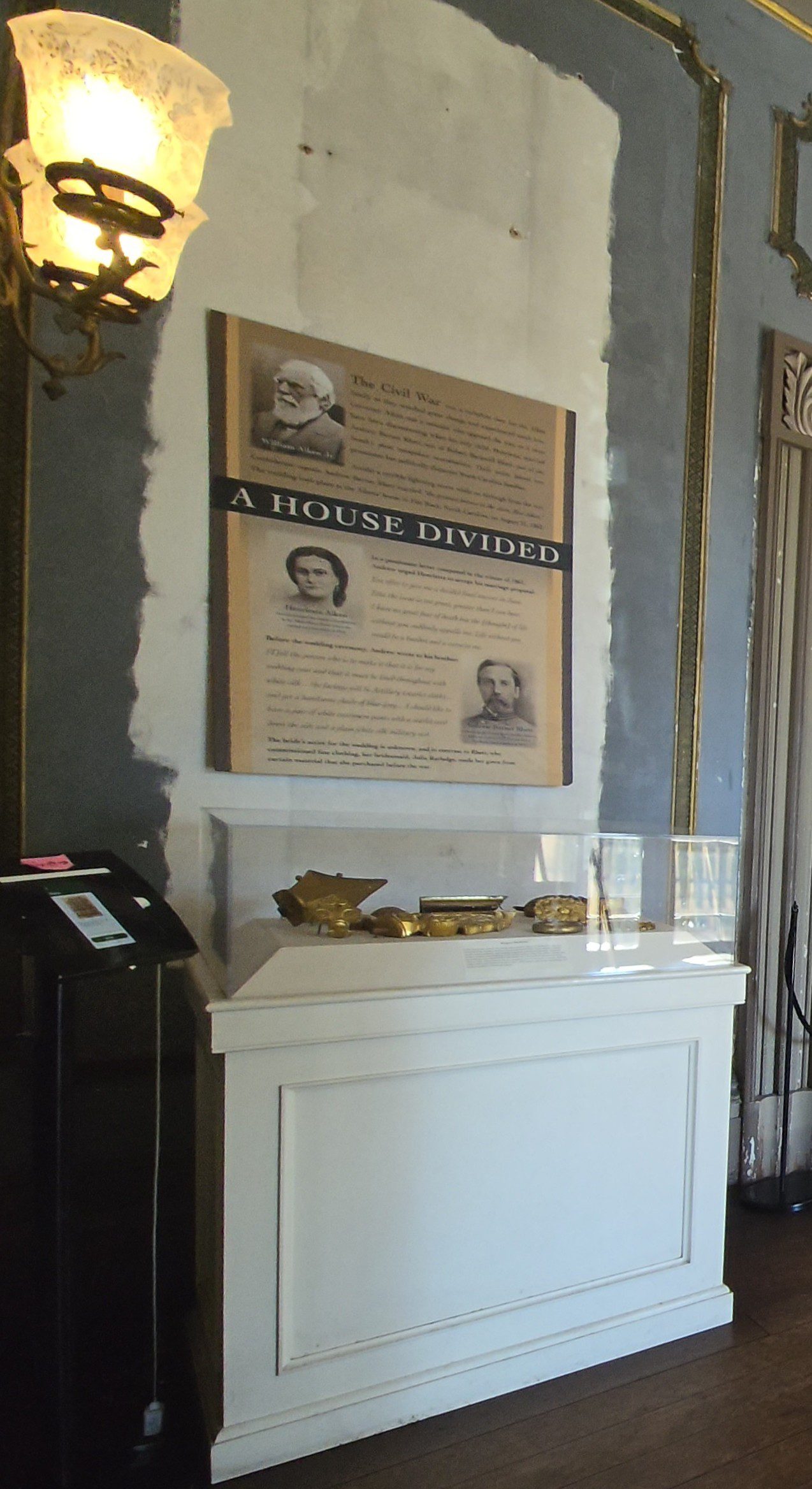
A House Divided
William Aiken Jr. was a loyal Unionist, despite living in the South and serving as the Governor of South Carolina. His daughter, Henrietta, married Confederate Major Andrew Burnet Rhett, the son of Robert Barnwell Rhett, a prominent “fire-eater” known as the “father of secession“.
Visiting the Aiken-Rhett House in Charleston
Of the four historic homes I visited, the Aiken-Rhett House was by far my favorite. It offers guests several unique experiences that make visiting this home a memorable and worthwhile experience.
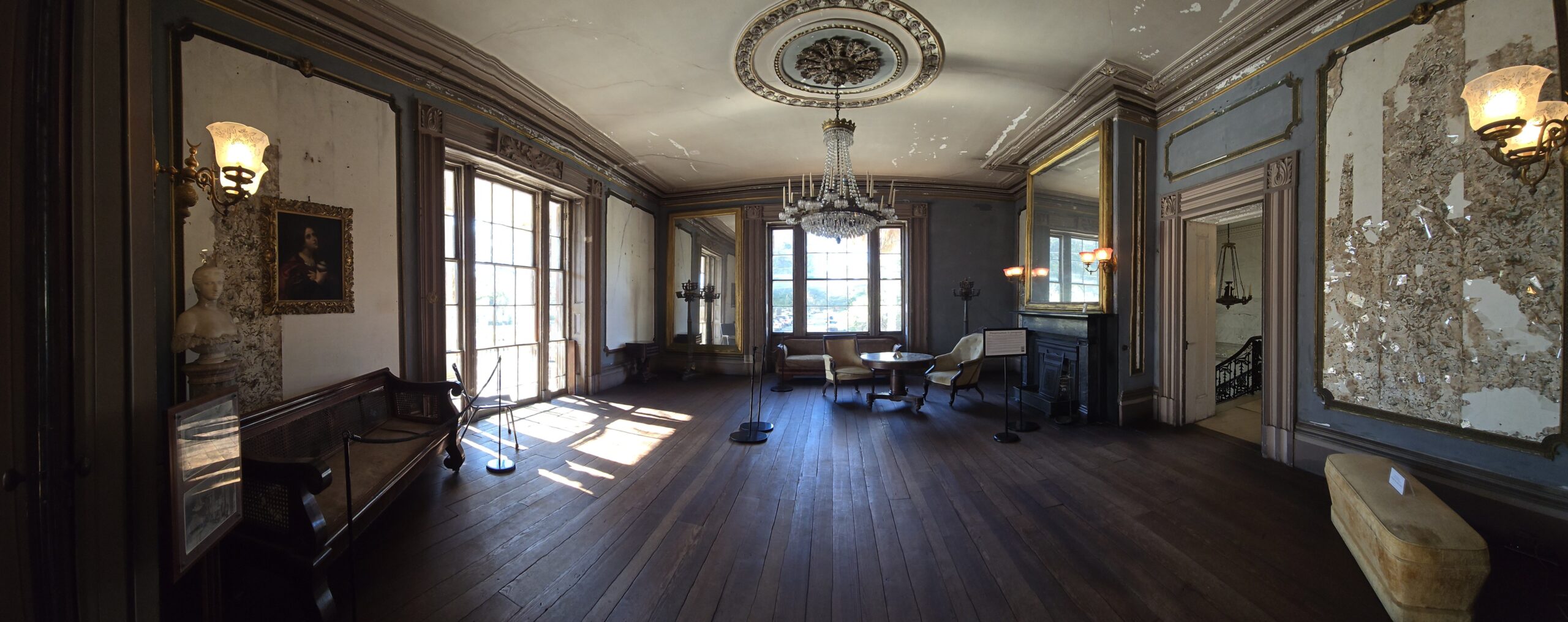
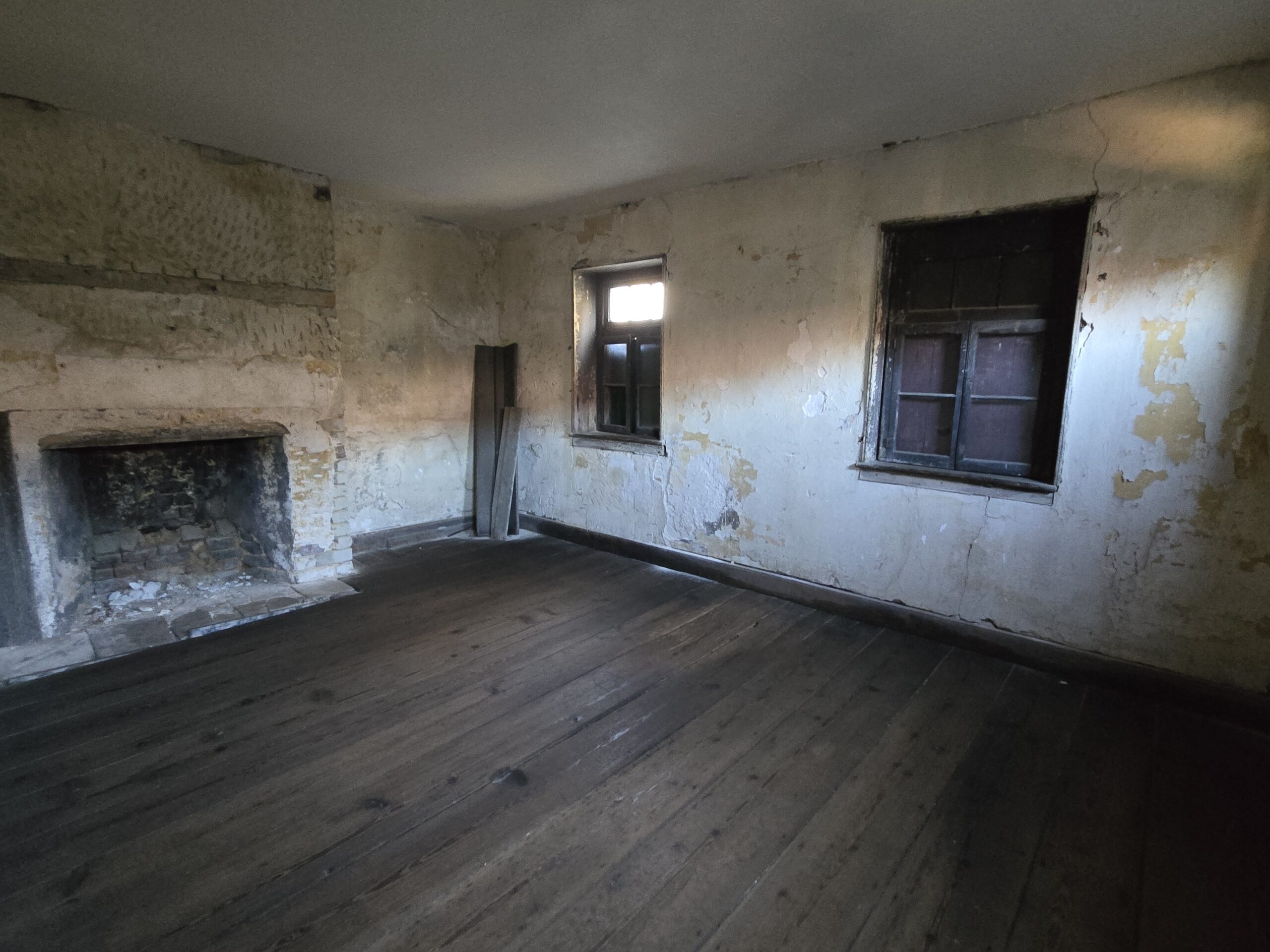
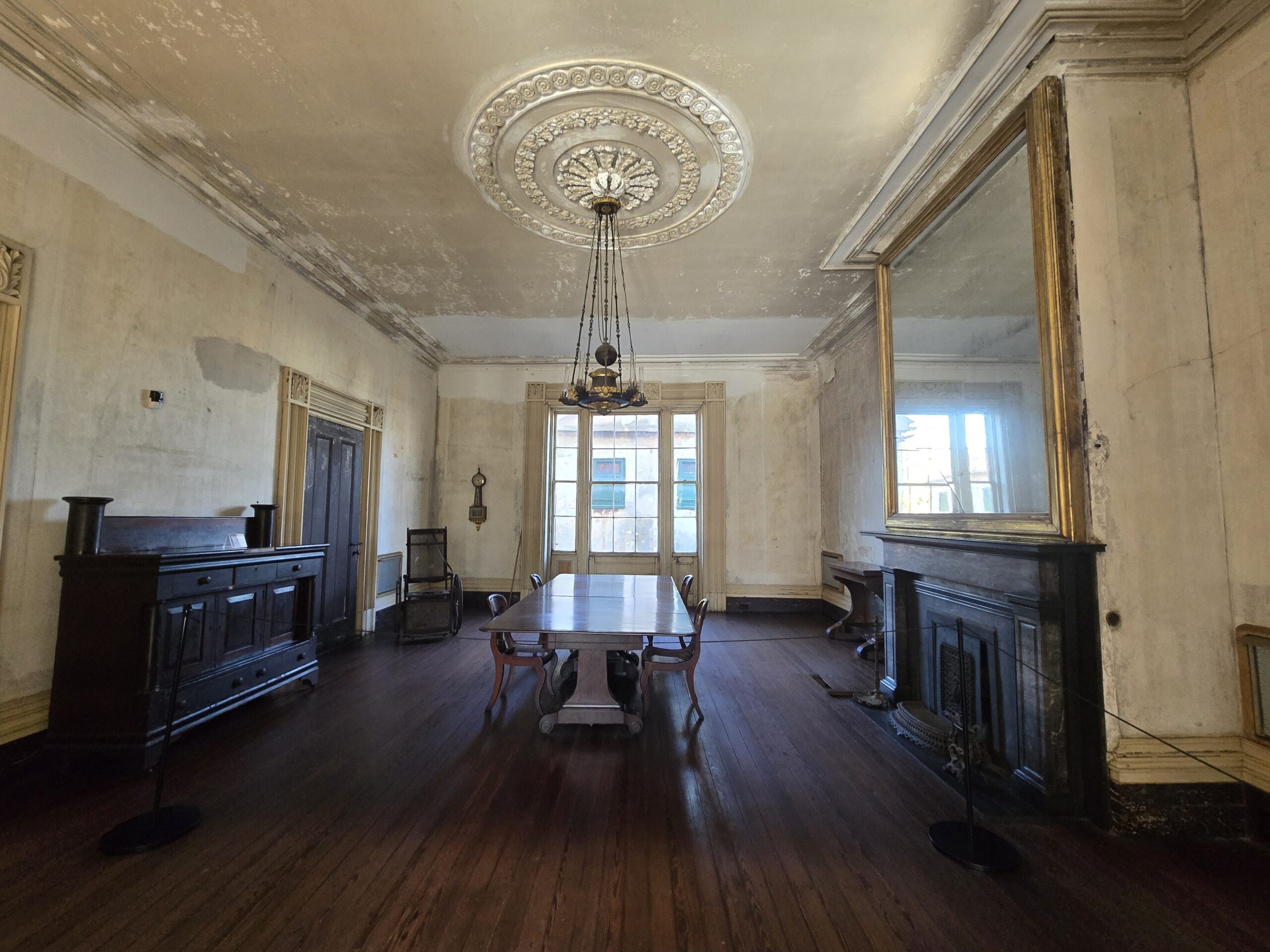
An interesting aspect of the Aiken-Rhett House is the preservation approach adopted by the Historic Charleston Foundation. Unlike other historic homes across the country that are meticulously restored, the Foundation decided to leave this home in an “as found” condition. Guests visiting the Aiken-Rhett House have the opportunity to experience history frozen in time, as most of the house and outdoor buildings remain unchanged since the 1850s. While some visitors may not enjoy seeing peeling wallpaper and scuffed-up doorframes, for me, it was captivating to have an unfiltered glimpse into life in Antebellum Charleston.
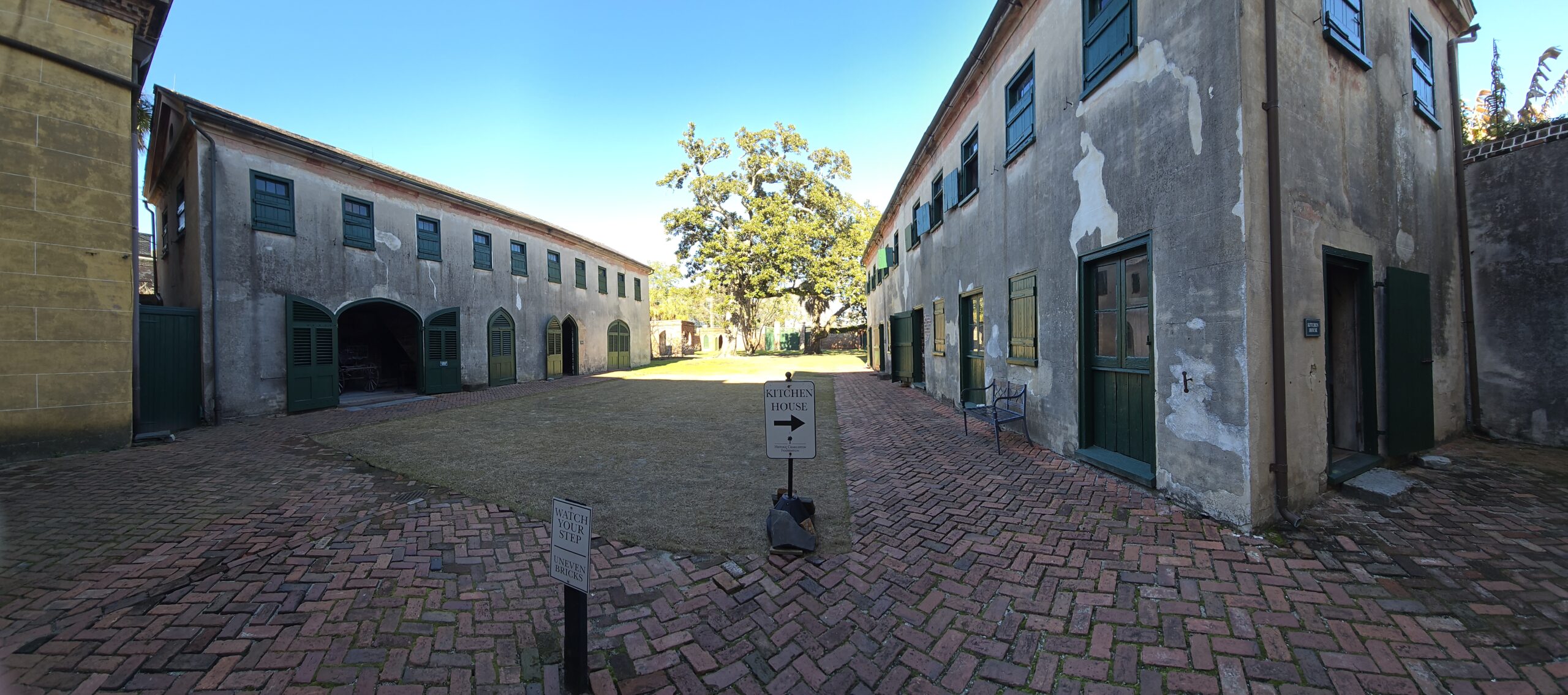
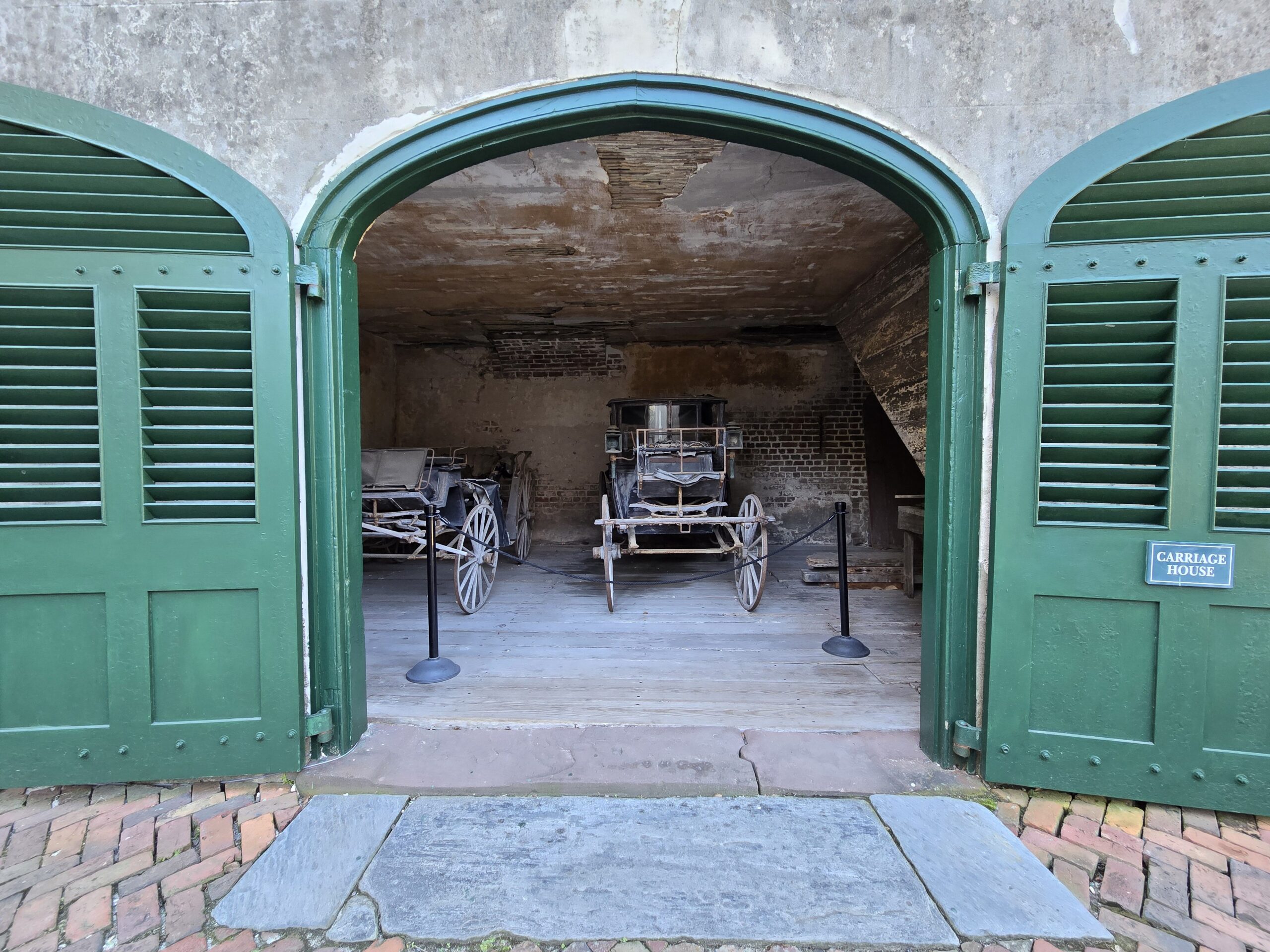
The Aiken-Rhett House features a series of outdoor structures that are still standing and in their original state, a rare find in Charleston. One building contains the carriage house, which features two carriages on display, and the stables. The other houses the kitchen, laundry, and dwellings that showcase the harsh working and living conditions of the enslaved people. In this building, guests can explore both floors, including the bedrooms.
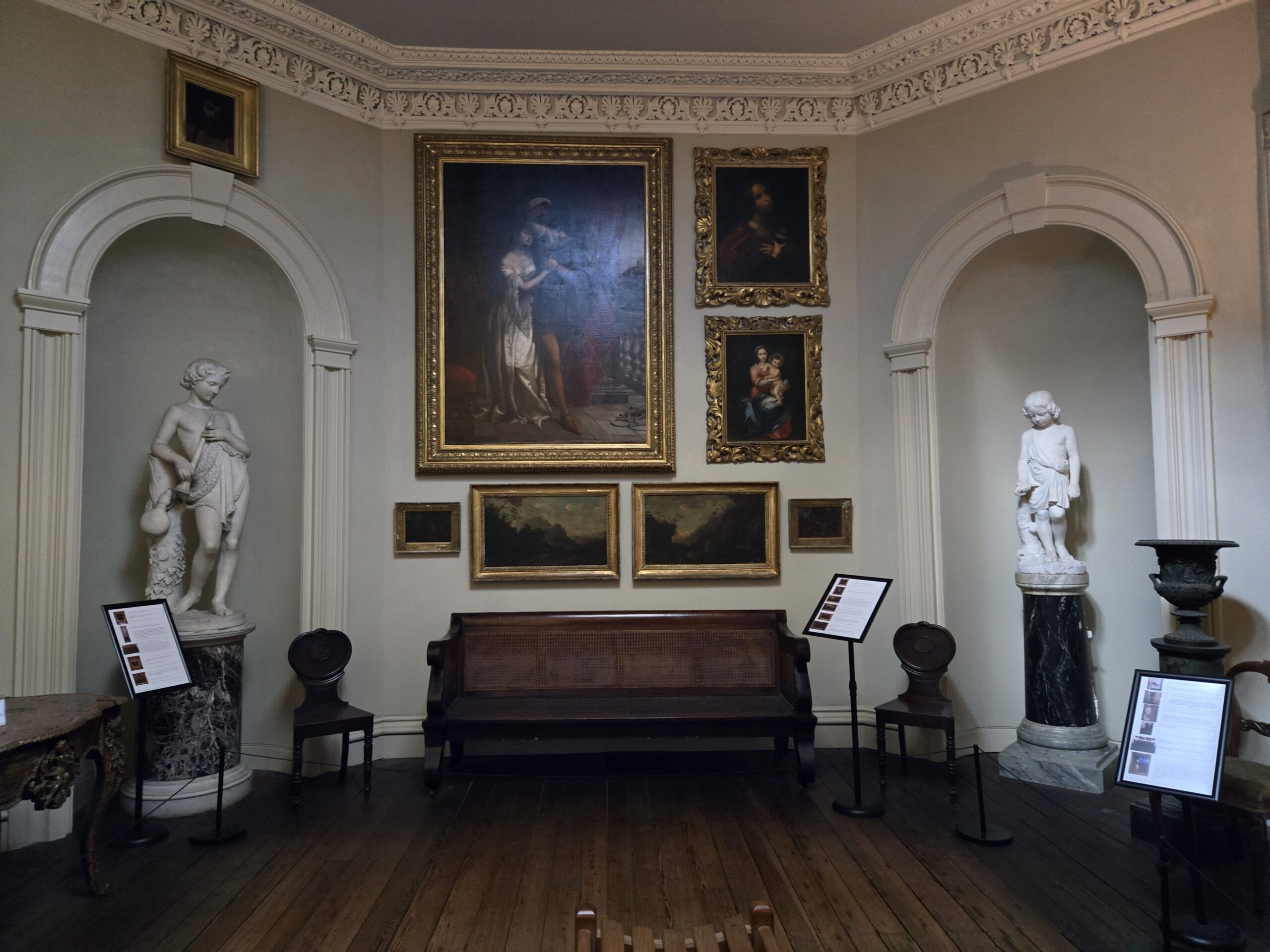
The last stop on the tour is the Aiken-Rhett Art Gallery – a mini-museum that displays art and sculptures the Aiken family acquired during their time in Europe. After spending an hour touring a house preserved “as found”, walking into the gallery was a definite “wow” moment. Due to the artwork, this room has been preserved and has an air conditioning unit to control the temperature and humidity. When visiting the gallery, I decided to take a seat and marvel at some of the beautiful pieces!
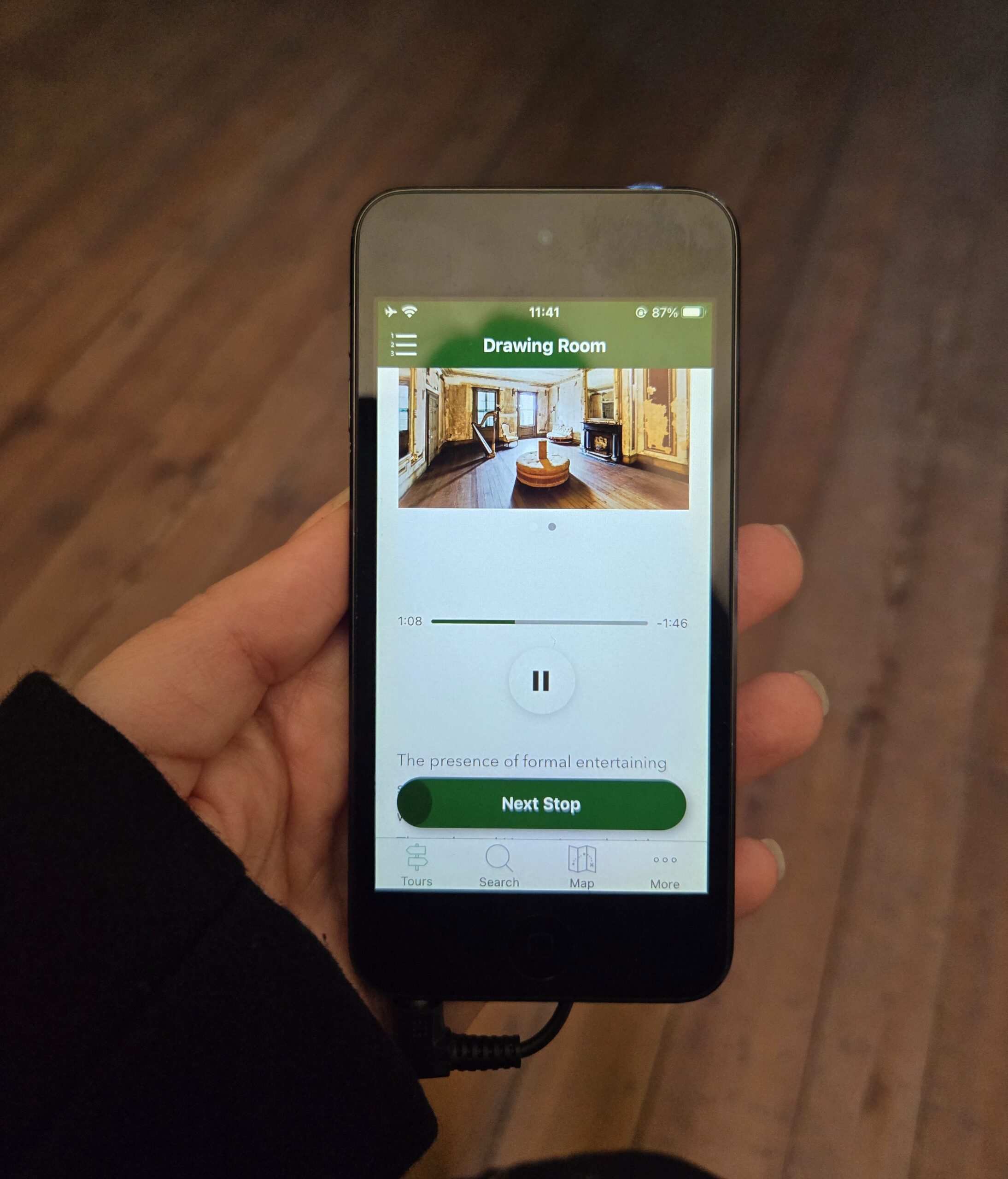
Guests tour the Aiken-Rhett House using an audio guide, included in the admission price. I found the audio tour to be informative, providing insights into both the Aiken family and the enslaved individuals who worked and lived at the home. The website says the tour should last about 45 minutes, but I spent a bit over an hour exploring the house and the art gallery.

Prepare for the weather! A portion of the tour is outside, plus there is no air conditioning or heating inside the home. It was 32°F when I visited, and the inside of the house was very cold.

If interested in exploring other historic homes, the Historic Charleston Foundation offers a combo ticket that includes admission to the Nathaniel Russell and Aiken-Rhett house museums. This ticket saves $8 on adult admission (combo ticket is $24; each house museum is $16).

Given its historic nature, the Aiken-Rhett House is not accessible. Be mindful that the stairs in the outdoor buildings are narrow and the ground is uneven.
A few highlights of the Aiken-Rhett House from my visit.
Travel Tip
The Joseph Manigault House, another interesting historic home, is about two blocks from the Aiken-Rhett House.
Resources
For additional information, visit the Aiken-Rhett House website.


Leave a Comment