
A destination guide on how to plan the ideal Charleston itinerary for your trip.

Charleston is a charming coastal town that truly has something for everyone. History enthusiasts will find numerous museums and sites covering key historical moments that shaped the city and the country. Beaches and parks are great for those looking to relax or outdoor enthusiasts seeking an adventure. And foodies are in for a treat with Charleston’s excellent dining scene!
But with so much to see and experience, it can be challenging to put together an ideal itinerary for your trip to Charleston. In this guide, I share how I structured my own visit, along with practical planning tips and time estimates, to help you create an itinerary that feels both manageable and meaningful.
Interactive Planning Map
Fellow adventurers, here is a great map you can use to plan your trip to Charleston. I created this map while planning my own trip and added the restaurants I visited afterward. Due to the weather, I was unable to see all the sites on my list during this trip, but I hope to return to Charleston soon to explore what I missed.
Check out this travel guide to learn how to create your own My Maps for your next trip.

Click each icon to view more information, including address, phone number, and website, for each site. You can also select the option to view the site in Google Maps.
| Blue ~ Museums | Green ~ Garden | Dark Red ~ Hotel |
| Orange ~ Historical Homes | Gray ~ Dock for Ferry | Purple – Restaurants |
| Yellow ~ Historical Churches |
Itinerary Ideas for Charleston
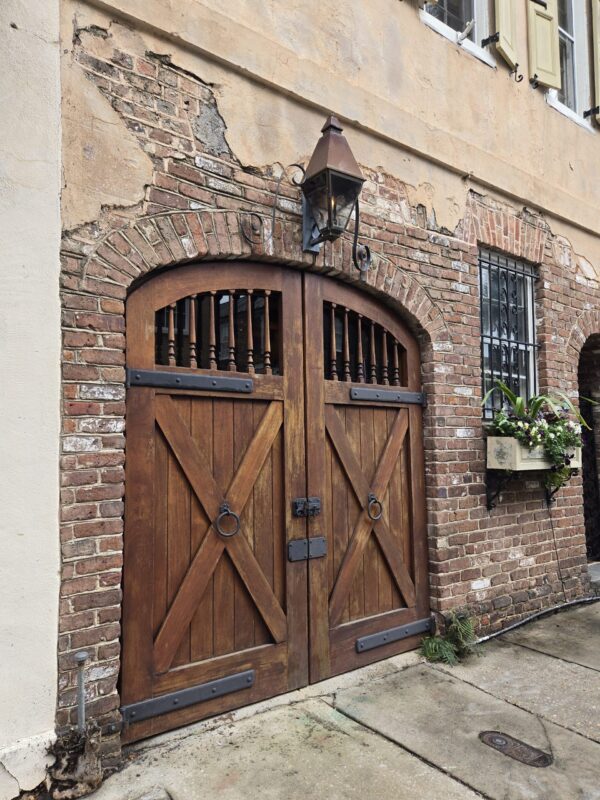
The first step to building a realistic itinerary is to consider your interests and the trip’s length. If visiting Charleston for a few days primarily to explore historic sites, the best recommendation is to focus on Downtown Charleston (locally known as the peninsula). Here, many of the sites are close together, allowing you to cover a lot of ground without spending a lot of time commuting between places. Those with more time in Charleston can take advantage of the extra days by visiting sites outside the peninsula.
For reference, my trip to Charleston was four days, and despite the rainy weather, I was able to explore four historic homes and five museums, take a ferry tour to Fort Sumter, and join a guided walking tour. This was made possible by lodging in downtown Charleston and visiting sites solely on the peninsula.
Visit my Charleston transportation guide for information on getting around the city.
How many days do I need to explore Charleston? If you’re visiting Charleston for the history, it depends on whether you want an overview or an in-depth experience. For those interested in an overview, plan at least three days. This will give you time to explore a few sites and walk through the picturesque streets of the French Quarter and South of Broad. Now, if you have a passion for history, you could easily spend a week in Charleston, exploring the many sites in Downtown Charleston, along with places outside the peninsula like Fort Moultrie, McLeod Plantation Historic Site, or Drayton Hall.
To help you build an itinerary, here is a list of the time you can expect to spend at each site, allowing you to mix and match attractions into half-day and full-day blocks. For reference, each site is linked to its full destination guide.
My recommendation is to limit yourself to two to three sites per day to avoid feeling overwhelmed and to give yourself time to relax, take in the city’s beauty, and enjoy some delicious Lowcountry cuisine (Check out my Charleston dining guide for recommendations).
Fort Sumter
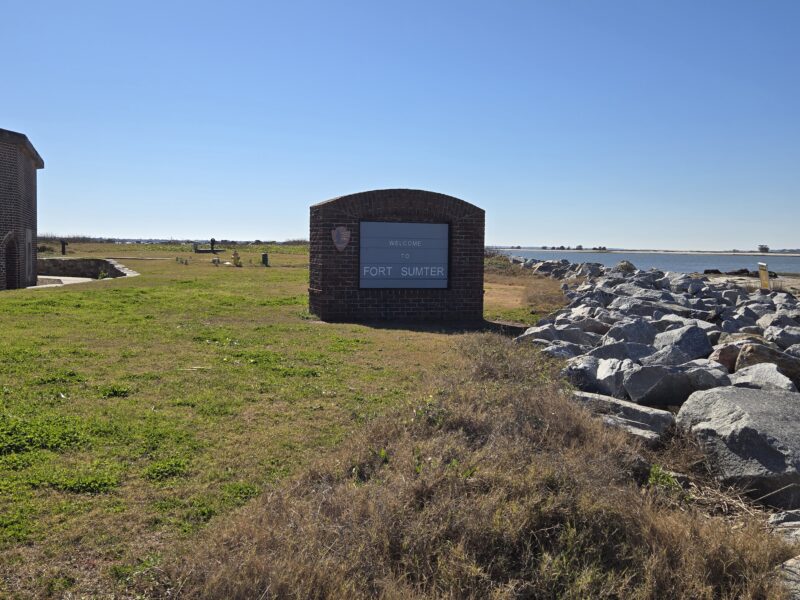
Fort Sumter is a must-see given its important role in American history, and a visit takes at least 2.5 to 3 hours. The fort is located on an island and can only be reached by ferry. The ferry ride is approximately one hour round-trip, and guests are given about an hour to explore the island. You also need to take into account the time to embark and disembark the ferry.
The ferry departs from two locations: Liberty Square in Downtown Charleston and Patriots Point in Mount Pleasant. If you do not have time to visit Fort Sumter, you can still stop by the Fort Sumter Visitor Education Center, which houses a small museum that takes about 30 minutes to view.
Liberty Square is about a 15-minute walk from the Charleston Museum, the Rhett-Aiken House, and the Joseph Manigault House.
Historical Homes

At the moment, five notable historic homes in Downtown Charleston are open to the public. They are as follows: the Rhett-Aiken House, the Heyward-Washington House, the Nathaniel Russell House Museum, the Joseph Manigault House, and the Edmondston-Alston House. I had the opportunity to visit the first four listed, and I say you need at least 45 minutes per house.
The following are some recommendations concerning the historical homes.
- My destination guides are a good source of information detailing what you’ll see at each house, the types of tours available, what to expect during your visit, and available admission discounts.
- Budget-conscious travelers will benefit from available combo tickets. The Historic Charleston Foundation offers a combo ticket that includes the Rhett-Aiken House and the Nathaniel Russell House, and the Charleston Museum offers a combo ticket that covers the Heyward-Washington House and the Joseph Manigault House.
- Travelers short on time can take advantage of the fact that the Rhett-Aiken House and the Joseph Manigault House are about a block away from each other, and the Nathaniel Russell House and Heyward-Washington House are a short walk apart.
Museums
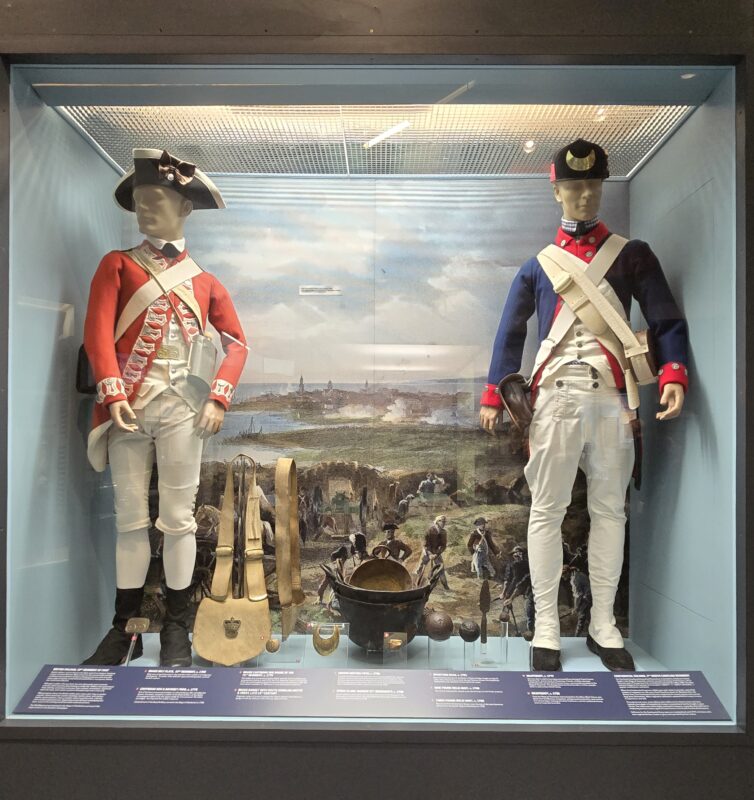
Charleston is home to numerous museums, making it a challenge to pick just a handful for your trip. From history to art, the city truly has a museum for every interest. Most museums can be explored in one to three hours, depending on your interest level.
For my trip, the selection process was made easier since I purchased a Museum Mile Month pass, a seasonal program that includes admission to several museums. The ones I visited were the Charleston Museum, Old Slave Mart Museum, the Old Exchange and Provost Dungeon, and the South Carolina Historical Society Museum. For a complete list of museums, check out this webpage from the Charleston Visitors Bureau.
If you are short on time, museums such as the Charleston Museum and the South Carolina Historical Society Museum offer an excellent overview of the city’s history, from its early years to key 20th-century events. Those with a strong passion for American History will find the Old Exchange interesting, as it houses the room where South Carolina ratified the U.S. Constitution. Finally, the Old Slave Mart Museum offers an interesting glimpse into the domestic slave trade and its impact on the enslaved.
Beyond the Sites
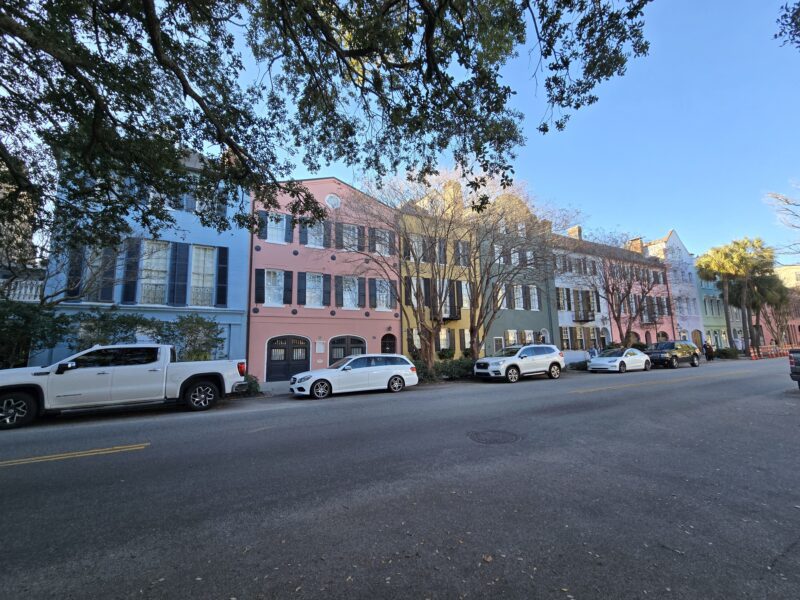
The French Quarter and South of Broad are incredibly charming areas of Charleston and are well worth exploring, either via a walking tour or independently. I strongly recommend taking a few hours to meander through the streets – admiring the historic architecture, walking along cobblestone-lined alleyways, looking up at the majestic oak trees, and taking in the breathtaking views of the harbor. Along the way, make sure to stop by captivating places like Rainbow Row and White Point Garden.
I didn’t have the best weather during my trip, which kept me indoors most days, but the time I did have to explore the city turned out to be some of my most memorable moments in Charleston.
Outside Downtown Charleston
Travelers with extra time in Charleston will discover plenty to explore outside the peninsula. With so much to do, it is best to limit yourself to just a few places to avoid feeling overwhelmed or rushed! One thing to keep in mind is that public transportation and ride-share services are limited in certain areas outside Downtown Charleston, so it is advisable to rent a car to get around.
History
Venturing outside the peninsula allows travelers deeper insight into the region’s colonial past, plantation economy, and military history. Charles Towne Landing State Historic Site marks the first permanent European settlement in South Carolina. Fort Moultrie and Patriots Point Naval & Maritime Museum are both great sites for American and military history enthusiasts. Drayton Hall and McLeod Plantation Historic Site are two sites known for their history and for providing the best balanced insight into the enslaved people who lived and worked there.
Nature
Travelers seeking experiences beyond history will find them in Charleston’s many beaches, gardens, and nature preserves. Outdoor highlights include Kiawah Island, Cypress Gardens, James Island County Park, and Caw Caw Interpretive Center. These areas are ideal for activities such as walking, kayaking, birdwatching, and simply enjoying the Lowcountry landscape. Depending on the site and activity level, plan anywhere from a few hours to a full day.
Additional Resource
For a list of things you can see and experience in Charleston, check out the Visitor Bureau’s website.




Leave a Comment