
Explore Almudena Cathedral, a stunning church featuring a colorful interior, a magnificent crypt, historic treasures, and panoramic city views.
History
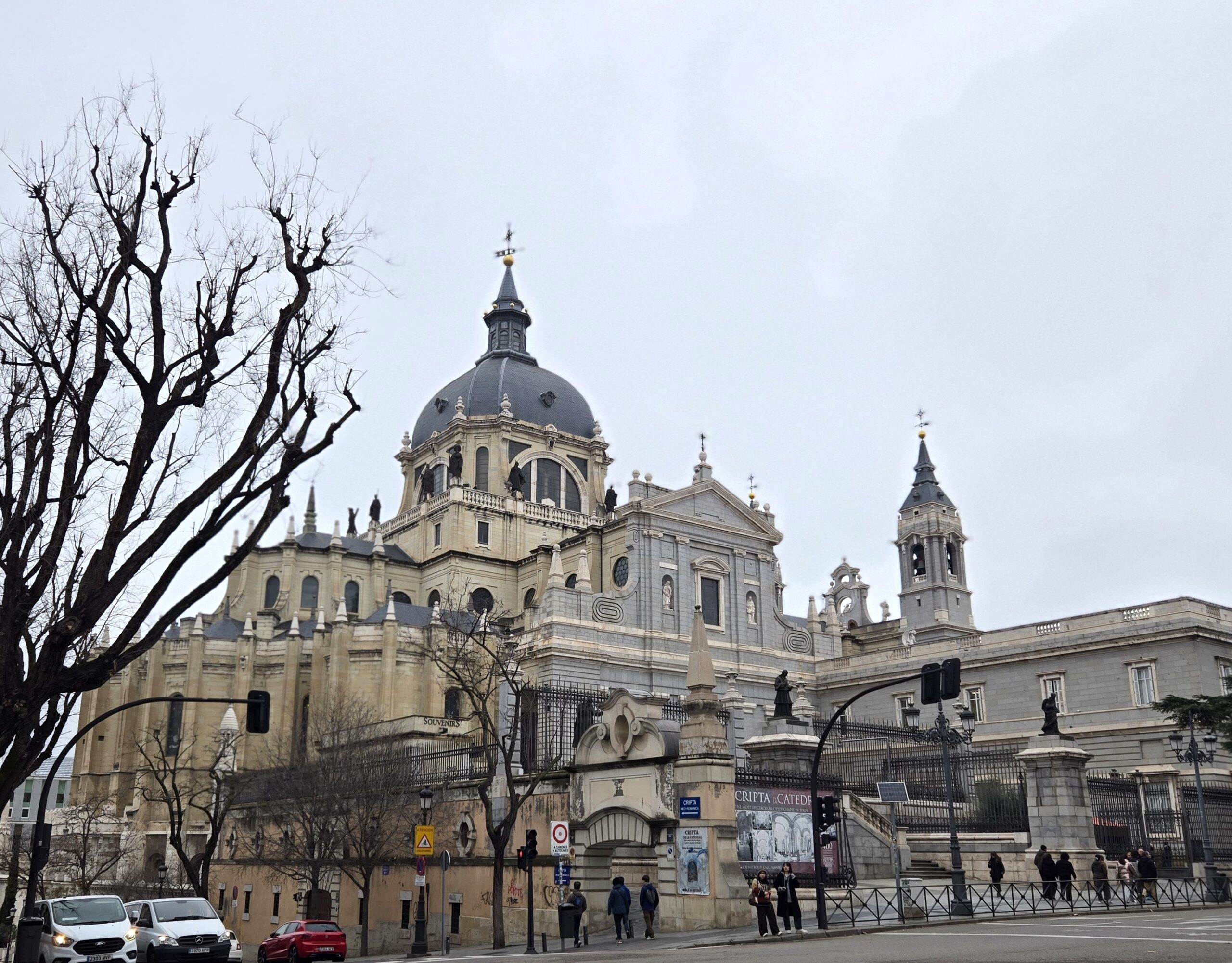
Compared to other European cathedrals with long, storied histories, the Cathedral of Saint Mary the Royal of the Almudena (Almudena Cathedral) traces its roots to the late 19th century. Since Madrid became Spain’s capital in 1561, monarchs had sought to build a cathedral, but this was not possible because the city did not have its own bishop. This is why, when construction first began in 1883, it was for a parish church rather than a cathedral. The cornerstone was laid in that year by King Alfonso XII in memory of his first wife, María de las Mercedes. Two years later, in 1885, Pope Leo XIII established the Diocese of Madrid-Alcalá as an episcopal see, allowing the church to become the cathedral the monarchs had hoped for. In terms of design, the initial architect, Francisco de Cubas, designed the Almudena Cathedral in a Neo-Gothic style, but the church was then completed in a Classicist style to complement the neighboring Royal Palace. Construction on the Almudena Cathedral lasted 110 years, and it was consecrated by Pope John Paul II on June 15, 1993.
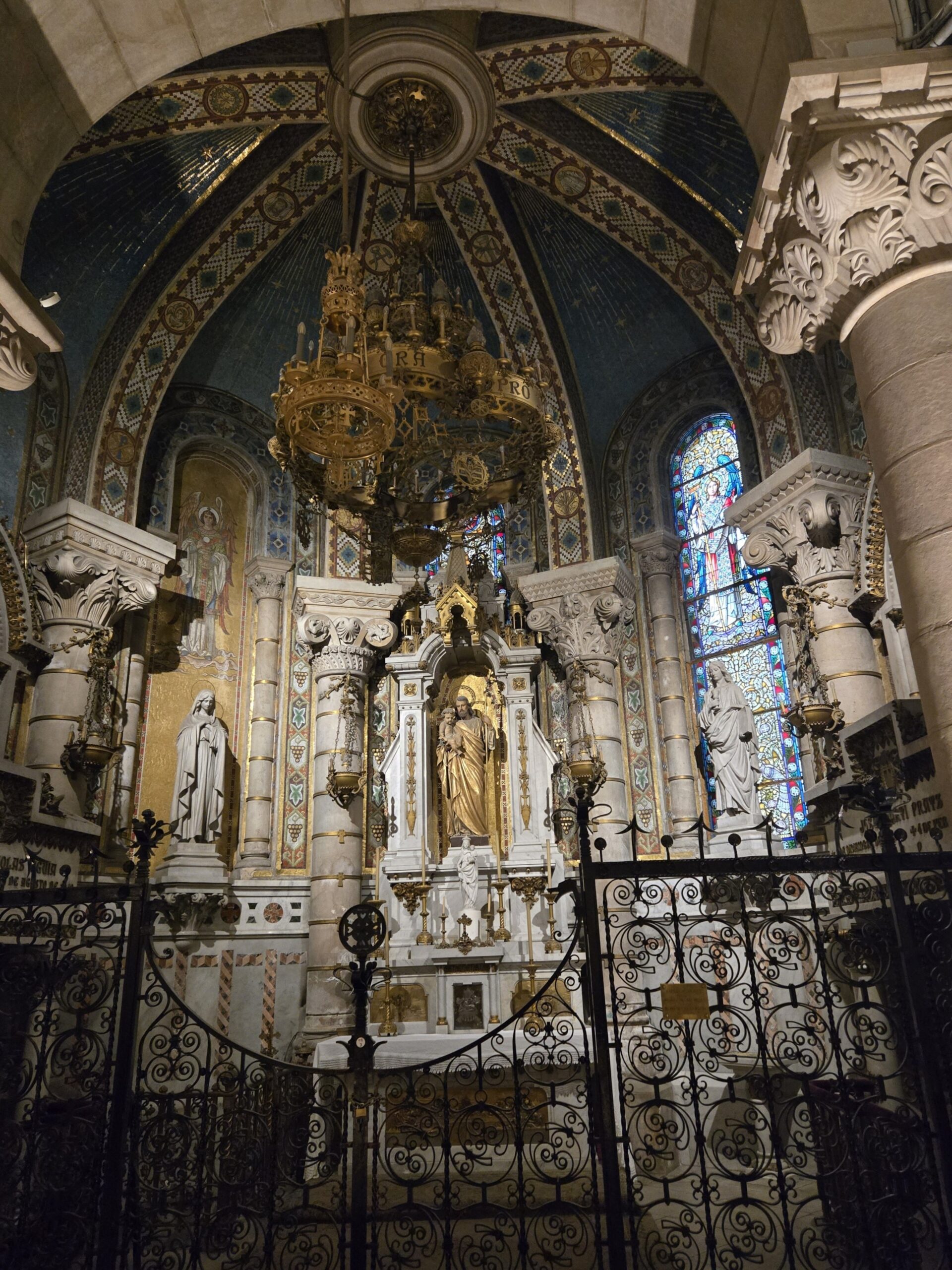
The crypt at Almudena Cathedral, completed in 1911, was designed in the Neo-Romanesque style and predates the cathedral itself by more than eighty years.
Visiting Almudena Cathedral in Madrid
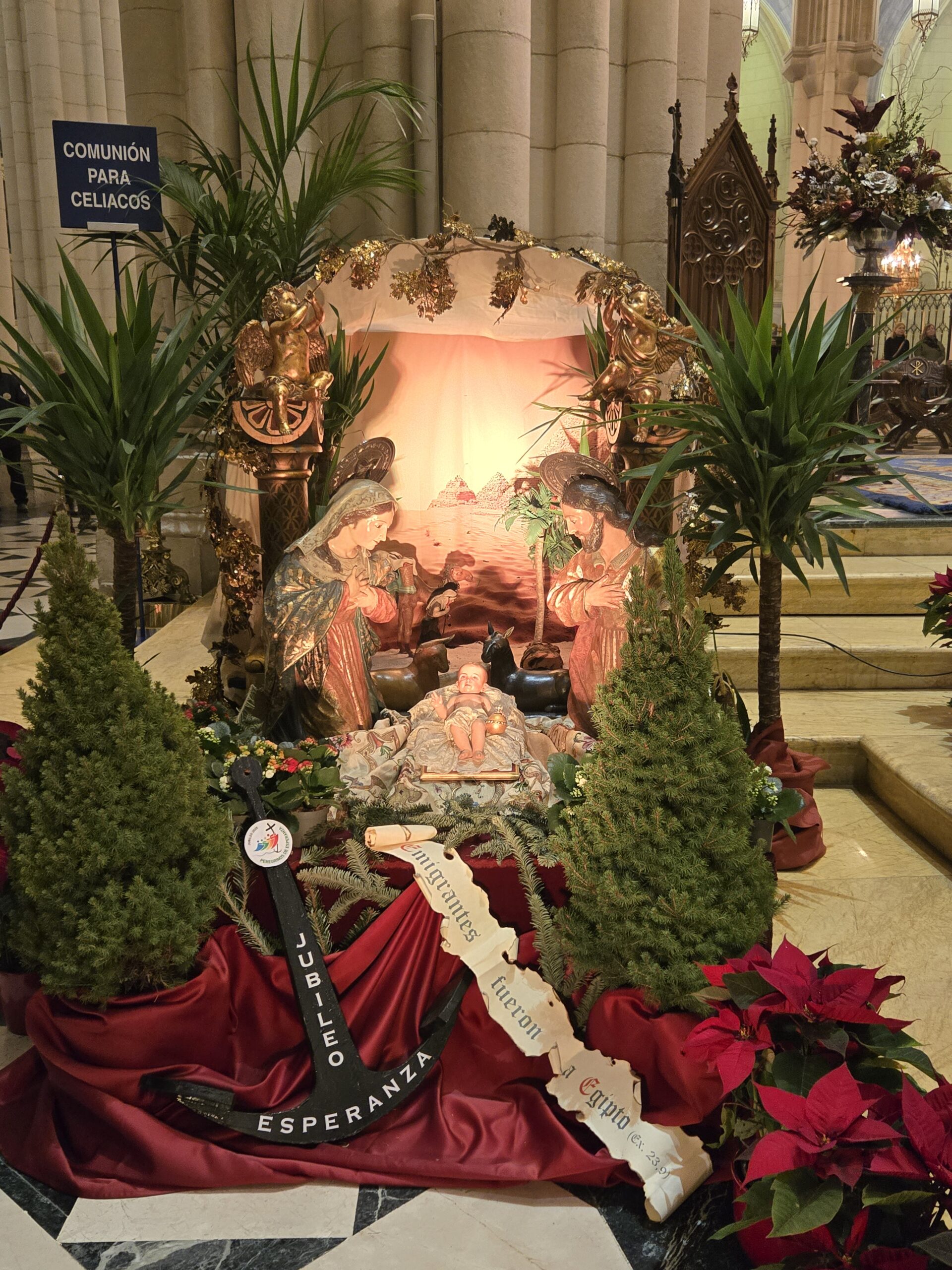
One thing I have learned in my recent travels is that many European churches are truly heavenly works of art. From soaring domes and bell towers to awe-inspiring interiors filled with stained-glass windows, ornate details, and magnificent frescoes, these sacred spaces often become highlights of a trip. The Almudena Cathedral is no exception, and its crypt is even more so. My family and I visited this splendid church during Christmas week, when it was even more beautiful as it was adorned with vibrant poinsettias and several nativity scenes.
Guests visiting the Almudena Cathedral can explore four areas: the church, the crypt, the museum, and the dome. On this trip, my family had time to tour only the cathedral and the crypt, since we had tickets to the neighboring Royal Palace and the Gallery of the Royal Collections museum that afternoon. To make the most of your visit, I recommend allotting at least 30 to 40 minutes to explore the crypt, and then at least another 30 minutes to tour the church. Note that the crypt and the church are accessed via separate entrances, and they are about a 5-minute walk apart. Also, there is no required order, so visitors may begin their tour at whichever area they wish to explore first.

At Almudena Cathedral, visitors are not allowed to tour the church or crypt during liturgical services.
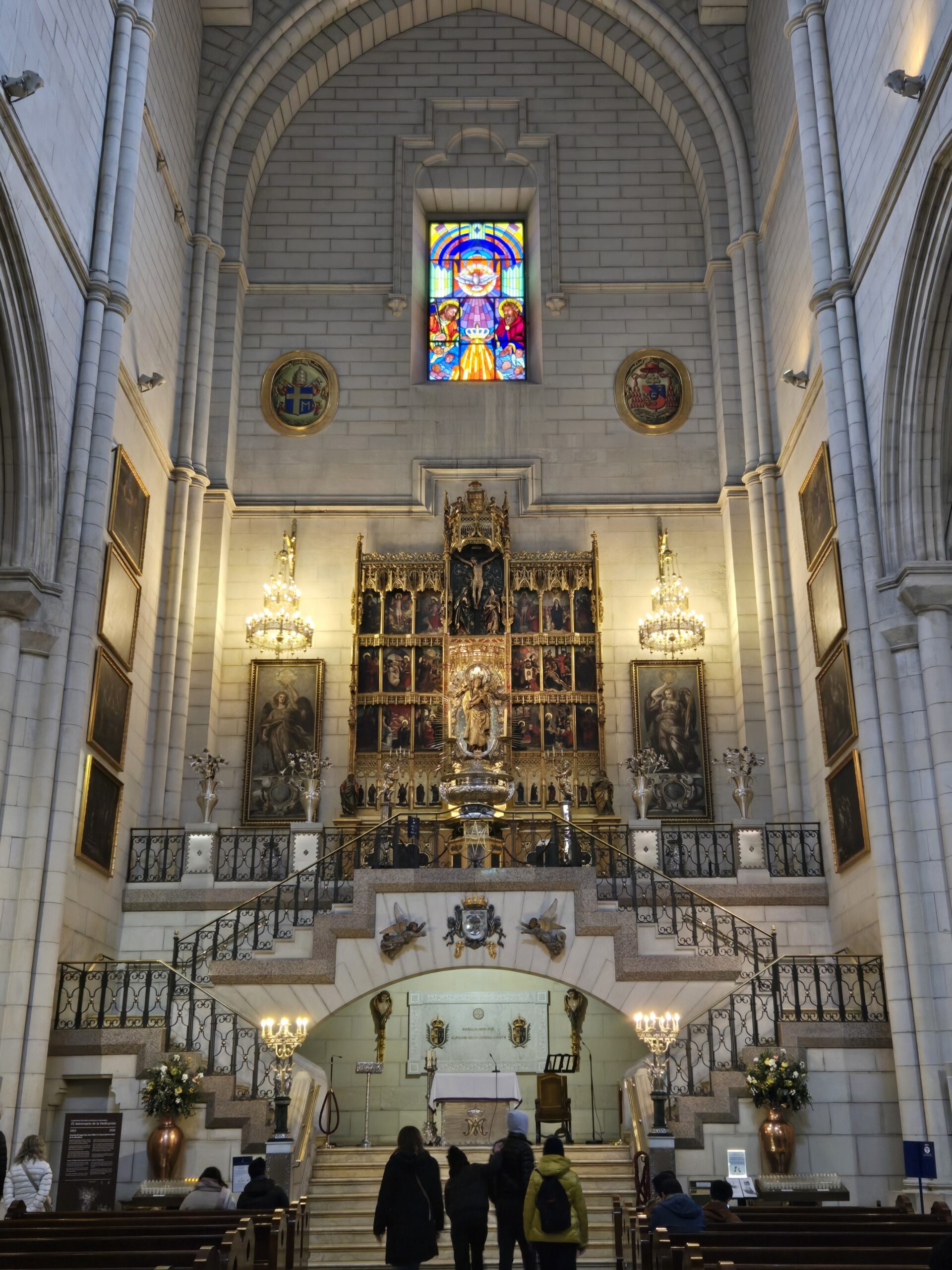
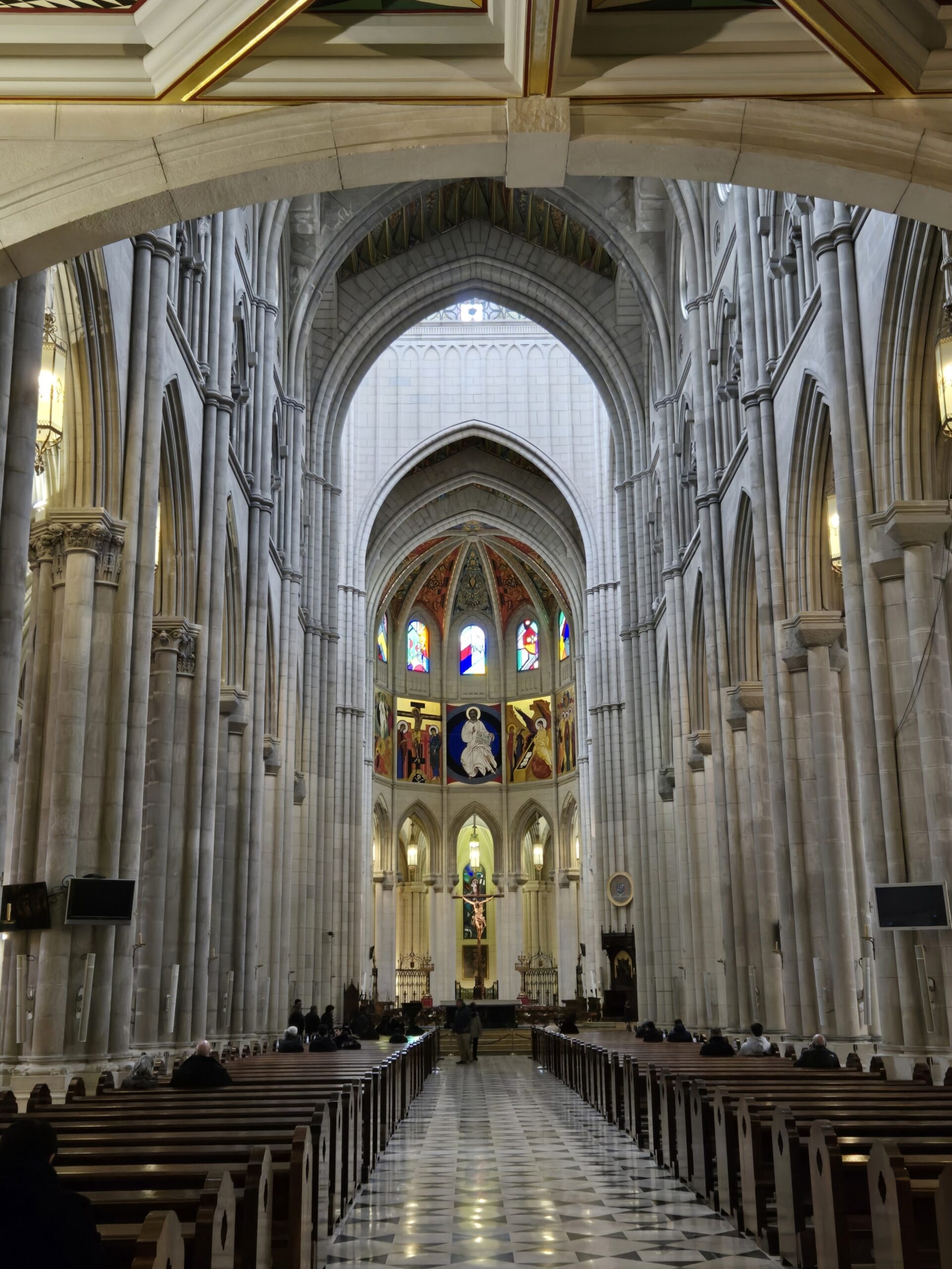
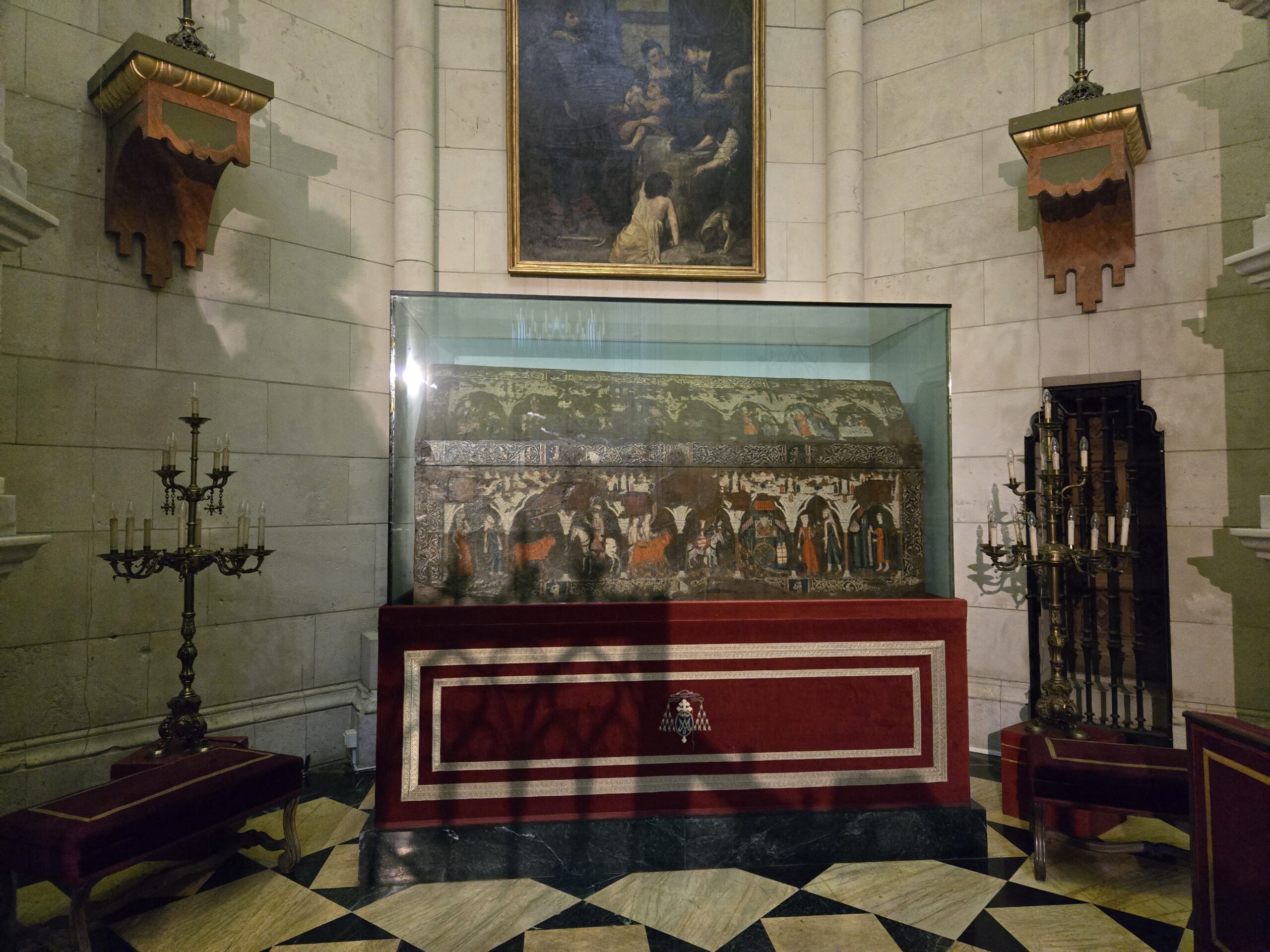
The church has 12 points of interest, including the Gothic Chest of Saint Isidro, the Altar of the Patroness of Madrid, and a relic of Pope Saint John Paul II. Guests exploring the crypt can wander through hundreds of columns, admire the 20 chapels lining its walls, and view the engraved plaques marking the final resting place of many of Spain’s nobles and royals. The museum consists of several exhibits, including displays about the history of the church and its patron saints, the valuable codex by Juan Diácono, and a remembrance of Pope John Paul II. Finally, the dome offers beautiful views of the city and the Royal Palace, which is across the plaza from the cathedral.
When visiting this site, guests can either explore the church, crypt, and museum independently using a free web-based audio guide or participate in a guided tour for an extra fee. I opted to use the audio guide when touring the church and crypt, and it was a mixed experience. The information presented was interesting and enhanced the experience, particularly in the crypt, but I did run into some issues connecting to the church’s Wi-Fi network, which is required to use the audio tour.
Visitors need to bring their own set of headphones for the audio tour.
Photography is allowed throughout the Almudena Cathedral except in the museum.

The church and museum are accessible, but the crypt and dome can only be reached via a set of stairs.
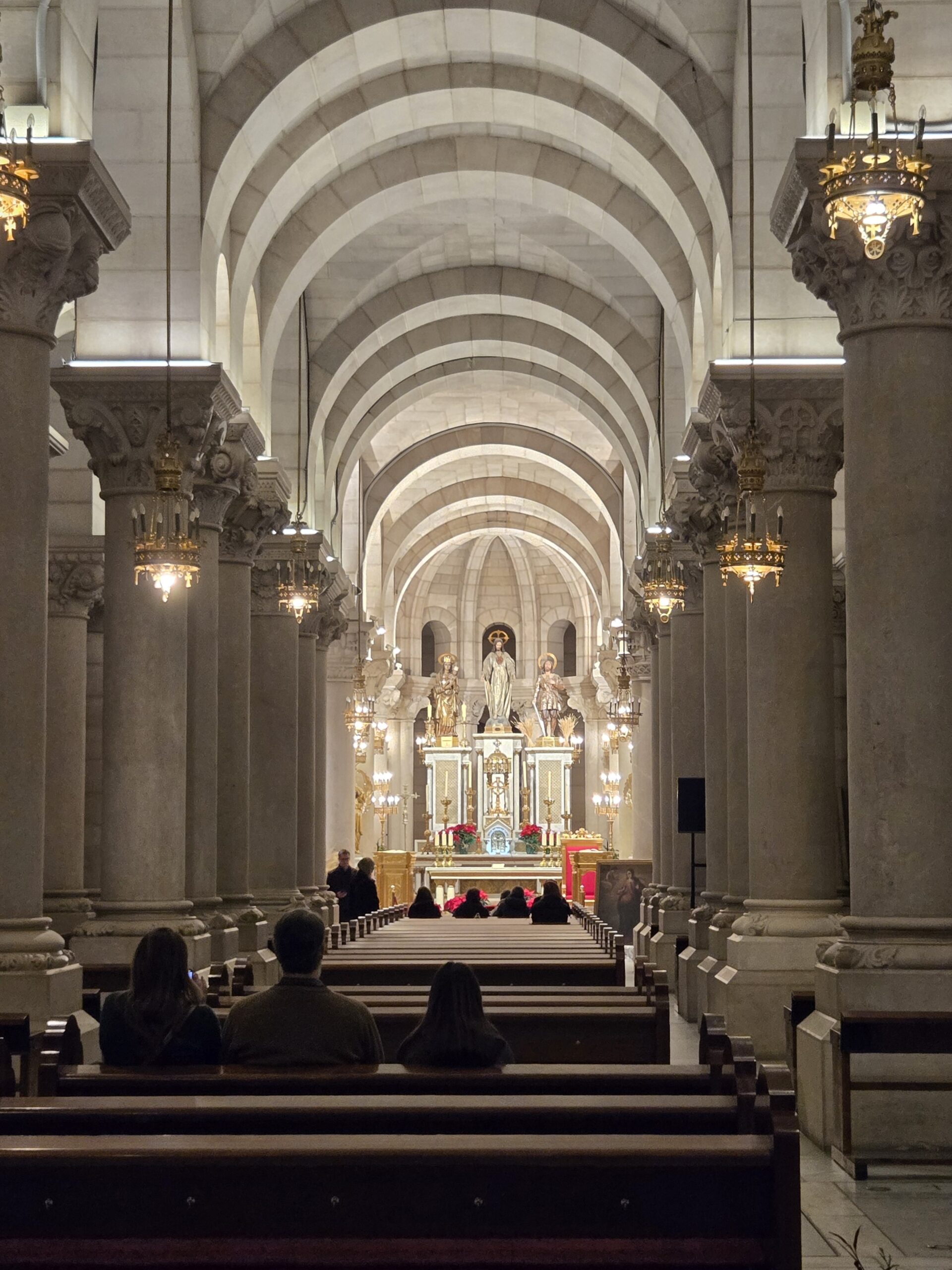
The highlight of my visit to the Almudena Cathedral was the crypt. People generally envision crypts as gloomy, dark chambers, but here the crypt was a beautiful, peaceful place with ornate chapels, vibrant stained-glass windows, colorful frescoes, and impressive vaulted ceilings. The one thing that really fascinated me was the hundreds of stately columns that filled the crypt, each adorned with a capital depicting biblical figures, scenes from nature, or the symbols of Madrid (the bear and strawberry tree).
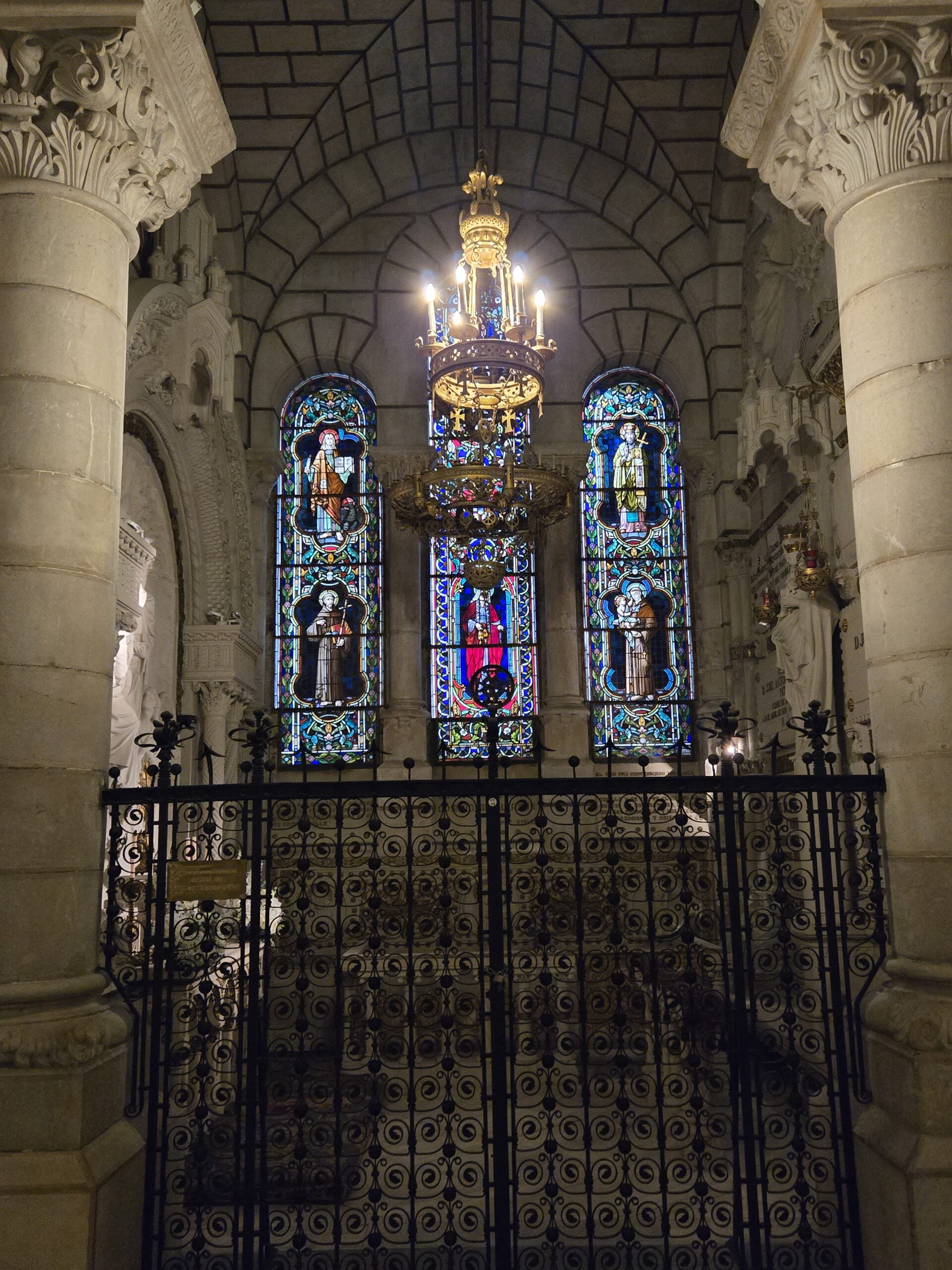
A few highlights from the church and crypt at Almudena Cathedral.
Travel Tips
The Almudena Cathedral sits across from the Royal Palace and next to the Gallery of the Royal Collections, allowing travelers to easily visit all three sites in one day. Keep in mind that if you are interested in also exploring the museum and climbing to the dome, you’ll need extra time at the cathedral.
Resources
For additional information, visit the official website of the Almudena Cathedral.


Leave a Comment