
Destination guide to Madrid’s Teatro Real, including tours, performances, ticket tips, and visitor information.
History
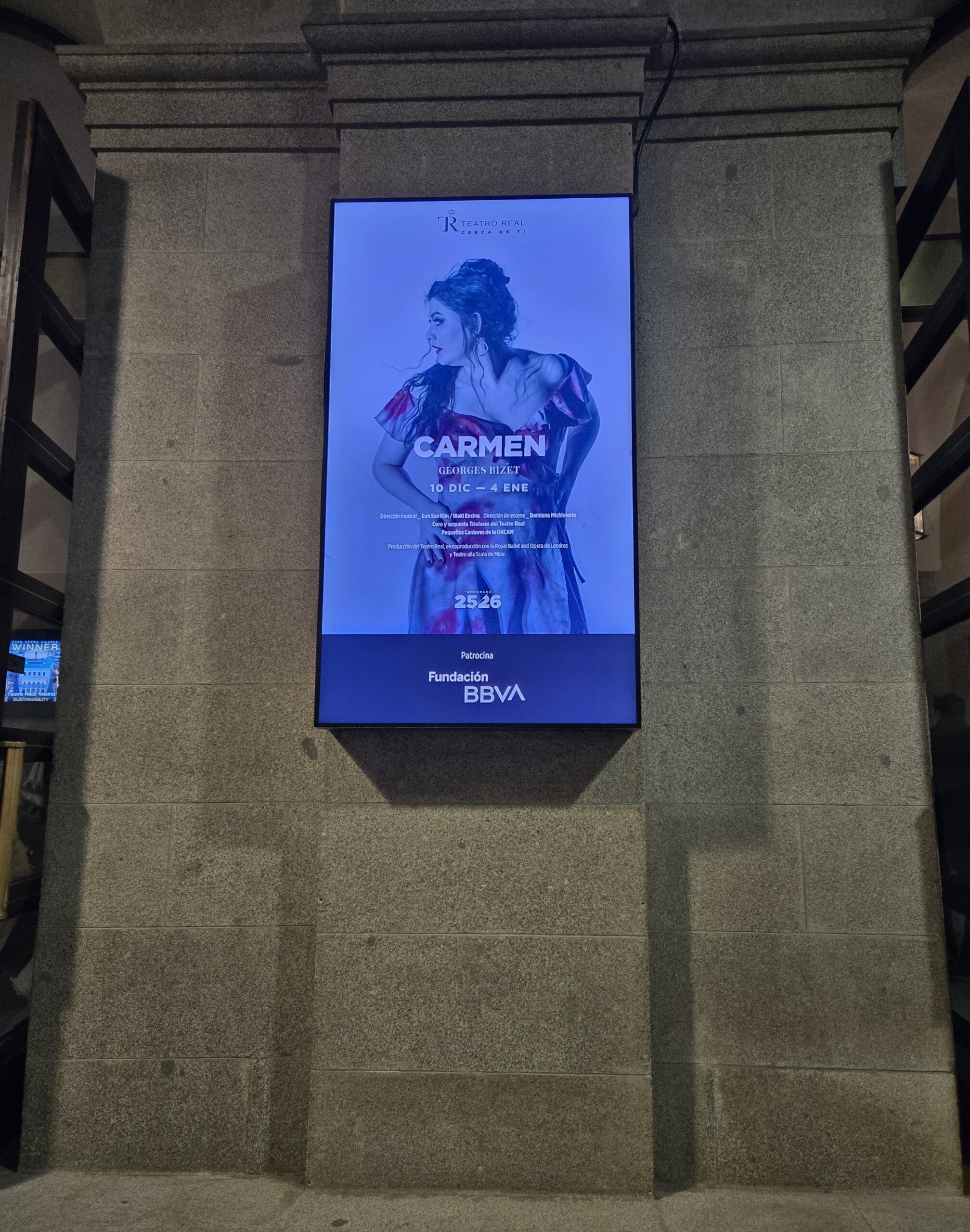
The story of Madrid’s Teatro Real began with a royal decree in 1818 and was followed by decades of planning, construction, and delays. The theater was inaugurated on November 19, 1850, Queen Isabella II’s birthday, with a performance of Gaetano Donizetti’s La Favorita. After several successful decades and its rise to become one of Europe’s premier opera houses, Teatro Real suffered significant structural damage, first during the construction of the Metro de Madrid and later during the Spanish Civil War. This led to the theater’s indefinite closure.
The Teatro Real reopened in the 1960s as a concert hall housing the Royal Conservatory of Music and hosting orchestra performances. After two decades in this role, the theater closed once again, and in 1991, extensive renovations began to restore the building to its former glory as a leading opera house. The renovations included modernizing the stage, which today makes it one of Europe’s most technologically advanced. In 1997, under the leadership of King Juan Carlos and Queen Sofía, the Teatro Real reopened its doors to the public with a performance featuring works by Manuel de Falla, a notable Spanish composer and pianist.
Visiting the Teatro Real in Madrid
The theater has a strict policy that prohibits patrons from taking photos in the main auditorium.
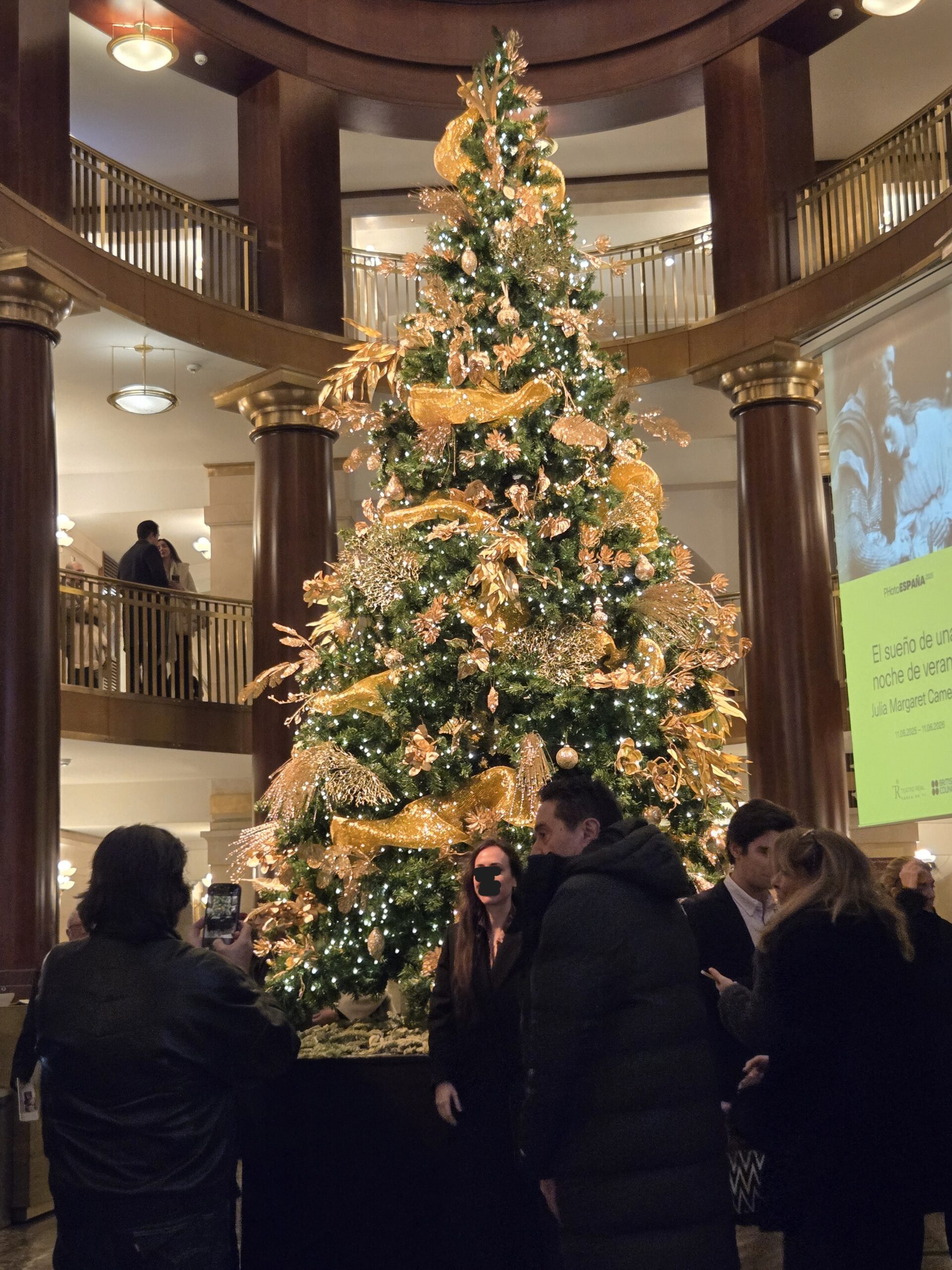
As someone with a passion for opera and classical music, I had a year for the ages in 2025, since I was able to attend performances at both the Vienna State Opera and the Teatro Real. In December of 2025, while helping my mother plan the family’s Christmas trip to Madrid, I discovered that the Teatro Real was staging performances of Carmen the week we would be in the city. As Carmen is a widely regarded opera, I definitely did not want to miss the opportunity to see it, so I bought two tickets for a mother-daughter outing (neither my father nor brother was interested).
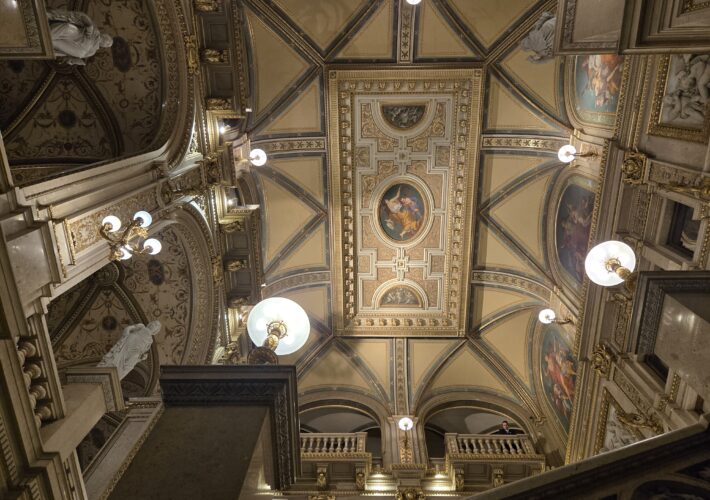
Compared to the Vienna Opera House, the Teatro Real felt more modern and simpler, given its lack of elaborate staircases, frescoes, and detailing. Despite the simplicity, the interior was beautiful; it just did not have the regal feel of its counterpart in Vienna. For those interested in exploring more of the theater, the Teatro Real offers both self-guided audio tours and guided tours that provide an in-depth look at its history and a glimpse of its halls, lounges, and special exhibitions.

Tours last approximately 60 minutes and are mainly offered in several languages. Tickets can be purchased via the online ticket office.
The Teatro Real is centrally located, being within walking distance from the Royal Palace, Almudena Cathedral, Puerta del Sol, and Plaza Mayor. This makes it convenient if you wish to stop by for a guided tour or enjoy a meal at the new Papagena Restaurant, which offers a view of the palace and surrounding gardens.
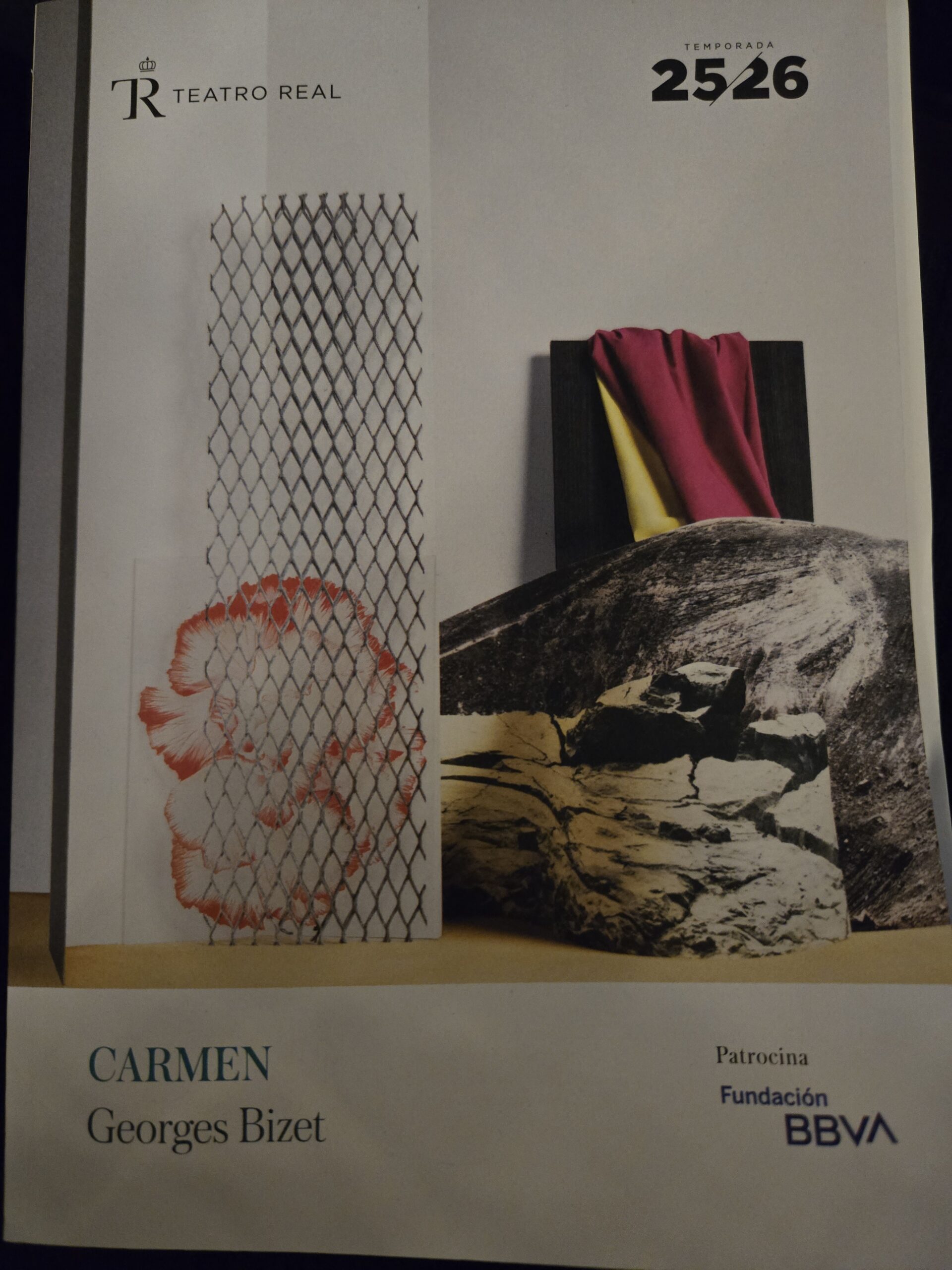
Performances at the Teatro Real take place in the auditorium, which has a capacity for approximately 1,746 people. I was concerned that, being a Holiday week, tickets would sell out quickly, but I had no issues buying the general admission passes when they became available about two months prior to the performance date. I purchased the tickets via the Teatro Real’s online ticket box office, and the process was straightforward and quick.
When buying tickets, pay attention to any notes as some seats have an obstructed view of the stage.
One thing I noticed about the Teatro Real was that it felt more crowded and less organized. My mom and I tried two entrances before finding the one corresponding to our tickets, and then it was a bit of an adventure to find the cloakroom. I strongly suggest arriving at least 40 minutes before a performance to allow time to locate the correct entrance, pass through security, visit the cloakroom (lines can get long), and purchase a program.
Regarding the dress code, the Teatro Real does not provide one on its website. The evening of our performance, I wore a dressy, black sweater tunic top with black pants and dark olive green winter boots, while mom wore a dressy, red sweater top (matching the festive Christmas season) and black pants. Those around us wore what I would describe as business-casual to theater semi-formal attire. I did not spot anyone donning formal gowns and tuxedos as I did at the Vienna Opera House.
During intermission, the lines at the various bars can get long, so it is recommended that you reserve a table for food and drinks before the show. Reservations can be made online.

The auditorium is both wheelchair-accessible and auditorily accessible, thanks to an innovative hearing loop that improves sound quality for those wearing hearing aids or implants.
Resources
For more information, please visit the official Teatro Real website.


Leave a Comment