
Whether it is a day trip or a multi-destination journey, selecting the right tour company can make or break your trip. With thousands of companies worldwide, narrowing down your options and finding one that best fits your travel style and budget can feel overwhelming.
After spending hundreds of hours researching tour companies and participating in numerous tours, I’ve learned invaluable lessons about what to look for and how to identify potential red flags. To help my fellow travelers select the ideal tour company, I have combined my years of research and experience into a helpful guide that navigates them through the decision process.
Selecting a Tour Company
Before diving into the selection process, travelers should consider three key factors: budget, travel style, and must-haves versus nice-to-haves.
- Trip Budget: Knowing your budget not only helps you quickly eliminate tours outside your price range but also determines whether you can afford a tour company’s extras, such as optional experiences, single supplements, and non-included expenses like gratuities. Those extras and non-included items can quickly add up and wind up costing as much as the actual tour.
- Travel Style: Understanding your style is important because if you prefer a more laid-back trip with immersive cultural experiences, you will not be content with tours that offer fast-paced, packed itineraries. When it comes to travel style, it is also important to know your preferred modes of transportation, types of lodging, and restaurants.
- Trade-Offs: Knowing what you’re unwilling to compromise on and what you’re flexible about is essential when selecting a tour. No tour company is going to be a 100% match when it comes to itineraries, so it is wise to put together a list of attractions and experiences that are a “must-have” versus “nice-to-have”.
Travelers need to be mindful of the following pitfalls when selecting a tour company. A low price and beautiful pictures may be enticing, but you may end up paying more and having a less-than-stellar experience.
Low cost is not always less expensive: A lower-priced tour may be enticing, but it may ultimately cost you more in the long run. Sometimes, inexpensive tours offer limited inclusions, so travelers may need to cover additional costs such as airport transfers, transportation passes, admission tickets, optional activities, meals, and more. It is essential to channel your inner archaeologist and dig deep to understand what the tour price covers and what you’ll need to pay out of pocket.
Buyer beware, not all that glitters is gold: Pictures and testimonials on a travel website may look appealing, but they aren’t always authentic. To capture the attention of unsuspecting travelers, less reputable companies may use AI-generated images or photos from other companies as a way to attract customers. The same goes for testimonials. Always read reviews from trusted third-party platforms, such as TripAdvisor, Trustpilot, and Google Reviews, and verify if the organization holds any relevant industry accreditations.
Lodging
What is your idea of the perfect accommodation – a resort with deluxe amenities or a charming 3-star, mom-and-pop hotel? When on an outdoor adventure, do you prefer a rustic lodge, or will a tent under the stars suffice?
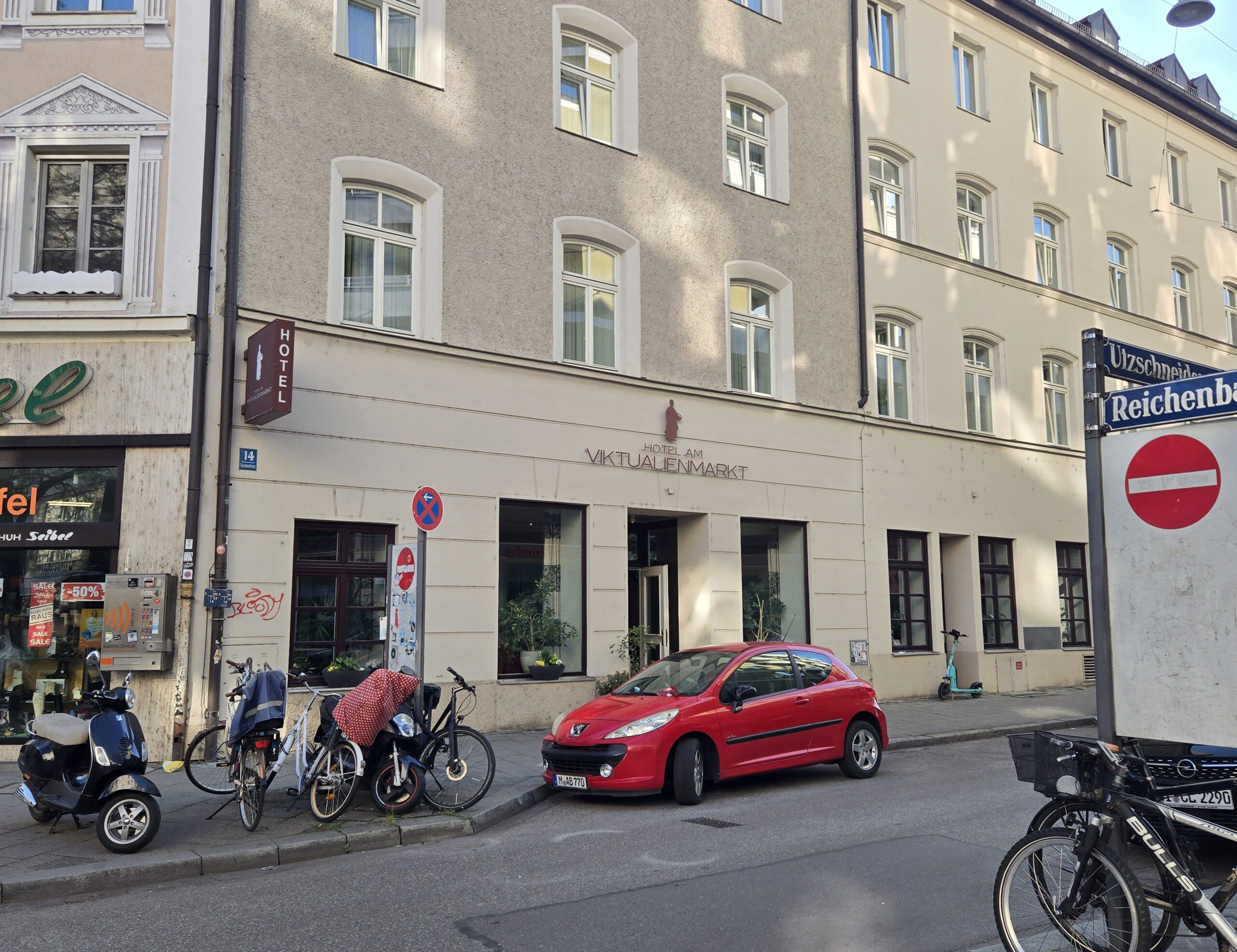
In my experience, never underestimate the importance of lodging. Two of my more recent trips to Europe have been through Rick Steves’ Europe, a company that focuses more on local charm and location than on luxury and amenities. While this works well for me, others may prefer a hotel with amenities such as a restaurant, gym, laundry service, spa, or pool. That’s why it’s important to take the time to research and ask questions about the included accommodations, especially if you’ll be staying there for multiple nights.
These are my recommendations when it comes to lodging:
- Always confirm the hotels being used on a tour, rather than relying on pricing and descriptions. A higher tour price does not necessarily mean deluxe accommodations. I have come across expensive tours that surprisingly include 2-star and 3-star hotels. Also, be wary when companies use terms like “luxury” and “deluxe” to describe their accommodations, as different destinations may interpret those terms differently (trust me – “deluxe” in Europe is different from “deluxe” in Egypt).
- Some companies list tour hotels on their website, while others provide the information after booking. In that instance, if you are particular about lodging, reach out to the company and request a list of hotels before making any reservations or paying a deposit.

When selecting a tour company, research hotels on reputable sites such as TripAdvisor to assess whether the accommodations meet your needs. Some companies, like Rick Steves’ Europe, have online forums and Facebook groups where participants can ask questions about lodging.

When traveling abroad, older hotels may lack elevators or accessible bathrooms and common areas. If you have accessibility concerns, contact the tour company to confirm accommodations.
Important Note: Not all overnight accommodations are hotels. Some tours include overnight stays on a train or boat. If that is the case, I strongly suggest determining which company operates the train or boat, and researching comfort levels and types of service available on board. What style of beds are provided? Are bedrooms and bathrooms private or are they shared? Are meals served individually or is it buffet-style? Will a porter assist with luggage?
On some tours, participants may have a private bedroom in the hotels, but not on board the train or boat, where space is more limited.
Another factor to think about when it comes to lodging is location. Select a company that offers accommodations within walking distance to attractions and restaurants, or lodging near bus stops and metro stations. During my trips across the U.S. and abroad, I have learned that it is invaluable to stay at a centrally located hotel or one easily accessible by public transportation. Some tour companies forgo choosing a central location to provide nicer accommodations, but this may mean staying in an area with fewer dining options or a longer commute to sites.
For solo travelers who prefer not to share a room, make sure the tour company guarantees single rooms. Note that some companies charge a single supplement fee.
Transportation
Are you comfortable arranging your airport transfers, or would you prefer to have them handled by the tour company? When it comes to intercity travel, are you fine with long bus rides and overnight trains, or do you prefer flights?
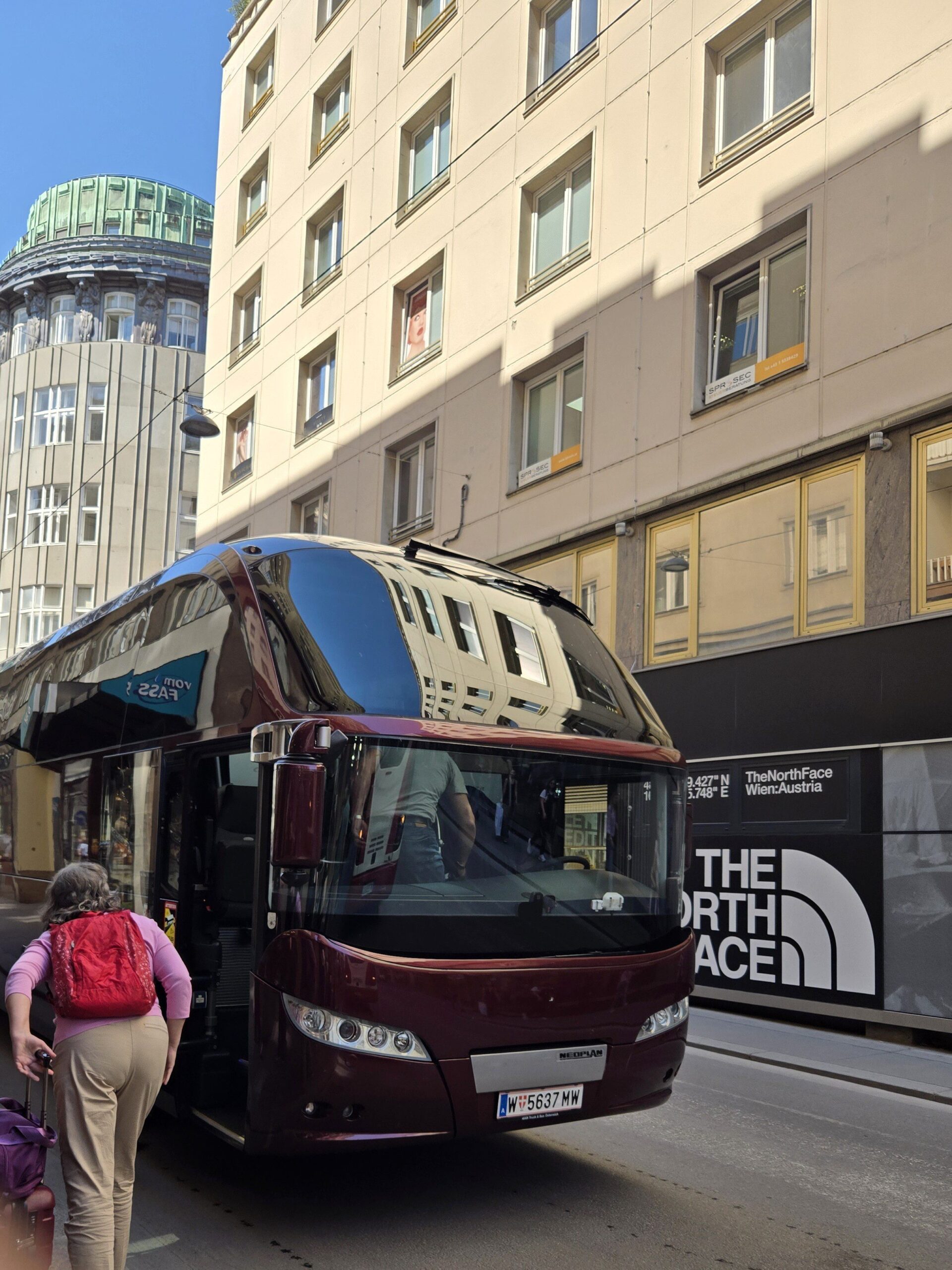
Airport transfers can be a stressful component of travel, especially in countries with an unregulated taxi industry, no rideshare services, or limited public transportation. I’ve noticed three common approaches to airport transfers: 1) none provided, 2) provided on specific dates and times before a tour, and 3) provided and arranged according to a traveler’s flight schedule. If airport transfers are a must, always opt for option 3, a company that arranges transfers according to your schedule! Choosing option 2 may leave you without a transfer if your flight is delayed and arrives outside the scheduled window.
If your tour does not include an airport transfer, contact the tour hotel(s) to see if they can arrange a private transfer. Many of my hotels in Europe offered airport transfers for an additional fee.
The discussion on airport transfers brings me back to two points I mentioned before – do not focus solely on the tour price, and non-included expenses can add up. You may think more expensive tours offer perks like airport transfers, but that is not always the case. And if transfers are not included, that can quickly become one of your larger trip expenses.
Rick Steves’ Europe does not provide airport transfers, and on my last tour, tourmates who opted for a taxi from Munich International Airport paid between 80€ and 90€. For my 2018 trip to Egypt, Trafalgar arranged airport transfers according to a traveler’s flight schedule, which was a welcomed convenience. The only additional cost was a gratuity for the shuttle driver.
To give you an idea of how much airport transfers cost, this is what I have paid on my recent trips to Europe: Prague – $32, arranged via Get Your Guide; Budapest – 40€, arranged by the hotel; Munich – 16€, the S-Bahn train from the airport to a hotel near Marienplatz; Vienna – 60€, arranged by the hotel; Madrid – 33€, fixed taxi fare from the airport to the city center.

If using a third-party site like Get Your Guide to book airport transfers, consider doing so via your preferred airline’s online shopping portal, where you can earn airline miles and loyalty points for your purchase.
When it comes to transportation, intercity travel is a significant factor to consider, and for me, it can be a deal-breaker when selecting a tour company. When distances between cities are significant, some companies opt to use domestic flights rather than have participants endure long bus or train rides. Tours with internal flights may be slightly more expensive, but it is a worthwhile investment. Who wants to spend limited vacation time stuck in a bus for hours?
If your tour company uses buses and you require frequent access to bathrooms, contact them to confirm whether there are bathrooms on board and how often they stop.
Itineraries
Would you like the opportunity to have free time to explore on your own, or would you prefer to have your entire day planned by the tour company? For tour companies offering day trips, would you prefer to visit multiple sites and see only the highlights, or would you prefer a more immersive experience?
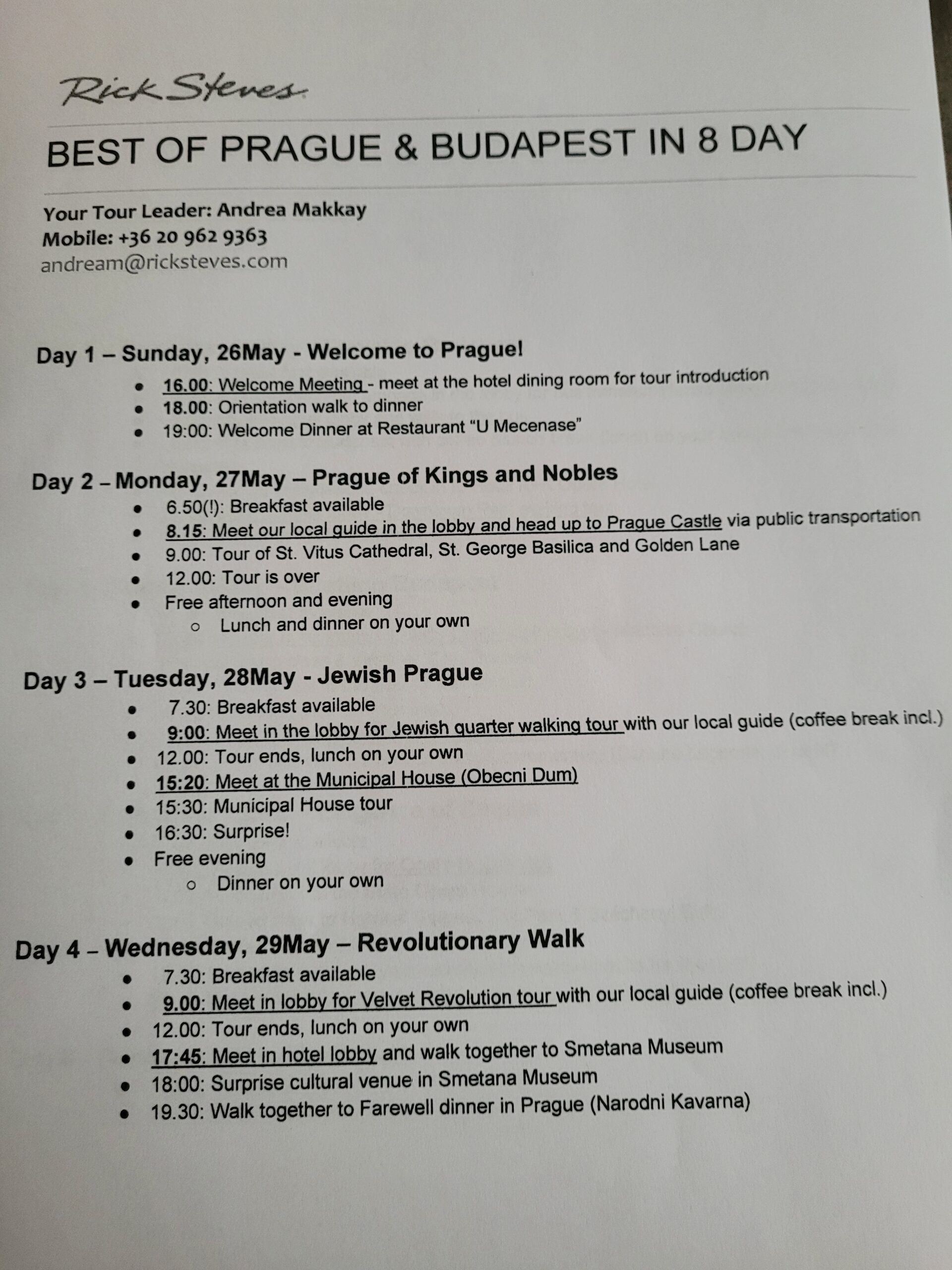
Itineraries can make or break a vacation, so always pay attention to the details. If you enjoy having some free time to relax or explore at your own pace, you won’t appreciate an itinerary packed with activities from sunrise to sunset. On the other hand, if you would rather not hassle with planning and navigating a city on your own, then a tour with free time may be a nightmare. From experience, never underestimate the importance of selecting a tour itinerary that aligns with your travel style!
Some tour companies offer the best of both worlds: free time and optional activities scheduled during that said free time. Optional activities are great for those who prefer to leave the planning to someone else, but note that they usually incur an additional cost and can add up quickly if you sign up for multiple during a tour.
An important factor to consider when reviewing tour itineraries is pacing. Whether it’s a day trip or a multi-day tour, take a close look at how quickly the itinerary moves you through different sites and locations. Longer tours that cover multiple countries and cities may require you to change hotels every night or every two nights. From my travel experience, this can be exhausting and make a trip feel rushed, as you never have time to settle in or even catch up on laundry.
Pacing matters for day trips as well. Some companies offer day excursions that allow travelers to explore nearby cities and sights, but these itineraries are often packed, leaving travelers rushing from one stop to the next. Always consider the overall length of the tour, the time spent commuting, and how much time you actually have to explore each site.
Recently, companies that provide day tours have started noting which sites are “pass by” and which are actual stops where participants can exit the vehicle to explore and take pictures.
One important lesson I’ve learned about tour companies is that some will advertise experiences as a “cultural immersion”, but these experiences are either a sales pitch with the expectation you’ll purchase something or a filler activity to pass the time. When investing in a tour, you’ll want to make the most of your time and money by participating in worthwhile activities.
Meals
Do you like the convenience of having most of your meals planned? Or are you an adventurous foodie who enjoys discovering hidden culinary gems, attending festivals, and trying street food? Are you okay with “touristy” eateries, or do you prefer a more authentic local experience?

The more I travel, the more I realize how meals can shape your experience and overall impression of a trip and tour. With this in mind, I’ll be prioritizing meals over lodging next time I select a tour. When researching tour companies, consider the following factors: number of meals included, dining experience, and immersive cultural activities.
Tour companies will list what meals are included each day of a tour, but they generally do not list the names of the restaurants. And just because a tour is expensive doesn’t mean most or all meals are included.
In my experience, many tours include breakfast, with that meal typically being a hotel’s continental breakfast or a simple meal on board a train or boat. For the most part, I haven’t come across tours that offer lunch, except on special occasions. During some of my recent international trips, the only lunches provided were those on board a Nile River cruise (Trafalgar) and during cooking classes in Budapest and Salzburg (Rick Steves’ Europe). If you’re interested in an immersive culinary experience, keep that in mind when selecting a tour company, as some offer cooking classes or food tours, and, as a bonus, those count as included meals.
Now, let’s discuss dinner. While many tour companies include a few dinners in the tour, the dinner experience varies widely across companies. Some companies take participants to charming local eateries for a more authentic experience, while others may take them to a more touristy spot. The latter is especially true for large-group tour companies, as many local restaurants lack the space to host large parties. Another difference is that some tour companies include wine and beer with the meal, not just water and nonalcoholic beverages. As with lodging, the best advice is to contact the tour company for more information, especially if you are seeking a particular dining experience.
Higher-end tours and those that include a cruise may have a dress code for dinner.
While most companies provide accommodations for individuals with food allergies or dietary restrictions, it is recommended to contact them to confirm.
The more I travel, the more I prefer to have fewer included dinners for two reasons. First, as someone who follows a mainly vegetarian diet, with the occasional seafood dish, the tour dinners are sometimes a gamble. I would rather check out local vegetarian restaurants or eateries with good vegetarian options. Secondly, sometimes, after a long day of sightseeing, I enjoy a low-key meal to unwind; a quiet café or pizzeria is my ideal way to end the night!
Other Tour Factors to Consider
To wrap up, here are a few final points that travelers often overlook when choosing a tour company.
Number of Days
The number of days seems straightforward, but travelers new to tours may not realize that the first and last days are usually travel days with little or no group activities. For example, the last few tours I’ve participated in, Day 1 included just the orientation meeting and a welcome dinner, while the last day was the final breakfast. This means that a 7-day tour may include only 5 full days of planned activities.
Group Size
As with the words luxury and deluxe, “small group” is defined differently by the various tour companies. In my years researching tour companies, I’ve seen some label their tours as small groups, yet there are up to 20 participants. This is why it is important to go beyond the descriptions.
Recently, I’ve noticed companies that used to focus solely on large-group tours now offer special tours where the number of participants is limited to 20 or fewer. While more expensive, this may be a good alternative for those who have a strong preference towards one company but would rather travel with a smaller group.
I’ve traveled to Europe twice with Rick Steves’ Europe, which caps groups at 28 participants. My 2024 tour had 27 participants, while my 2025 tour had 24. While I find this a good-sized group, others may find it too large.
Gratuities
Tipping is one of the most confusing aspects for travelers, as each country has different guidelines and customs. To simplify things for participants, some companies handle all the gratuities throughout a tour, making it one less thing travelers need to worry about. These companies will provide tips to hotel staff, restaurant waitstaff, local guides, restroom attendants, bus drivers, and others on behalf of participants.
When I traveled to Egypt with Trafalgar, I was responsible for all gratuities, including tipping the guide at the end of the trip. Rick Steves’ Europe handles most of the tipping, which makes life a bit easier. I just had to tip my taxi and ride-share drivers, waitstaff when I dined without the group, and hotel staff for extra nights not included in the tour.
Travel Perks
Some tour companies offer perks and incentives to travelers. As a welcome gift, a few companies will send participants items such as guidebooks, luggage tags, wallets or money belts, duffel bags, and other useful items. Others, like Trafalgar and Rick Steves’ Europe, offer tour alumni discounts to reward travelers who have previously traveled with the company.
Refund and Cancellation Policies
Always read the fine print associated with refund and cancellation policies, especially if your travel plans are not 100% certain. Note the cancellation timeframes required to qualify for a deposit refund or travel credit. Some companies offer more flexibility in these matters, while others are strict and provide no refunds or credits.
Resources
Fellow travelers, in this guide, I mentioned travel budgets, expenses that can turn into financial pitfalls, and ways to earn more airline miles and loyalty points. Here are two additional guides I have published that cover these topics in more detail.
Your Travel Budget Roadmap: Plan, Save & Avoid Money Pits
Prepare for Departure: Guide to Earning Miles & Loyalty Points

Travelers, what other things do you look for in a tour group? Drop your thoughts in the comments section. ⬇️



Leave a Comment