
Destination guide to Vienna’s Kunsthistorisches Museum, home to masterpieces, antiquities, and one of Europe’s finest art collections.
History
Like many of Europe’s great museums, the Kunsthistorisches Museum was created to house and display the vast imperial collections of the Habsburg monarchy. Known for their deep appreciation of art and history, the Habsburgs amassed an extraordinary collection spanning more than 7,000 years, from Ancient Egyptian and Greek artifacts to a remarkable series of Renaissance and Baroque masterpieces.
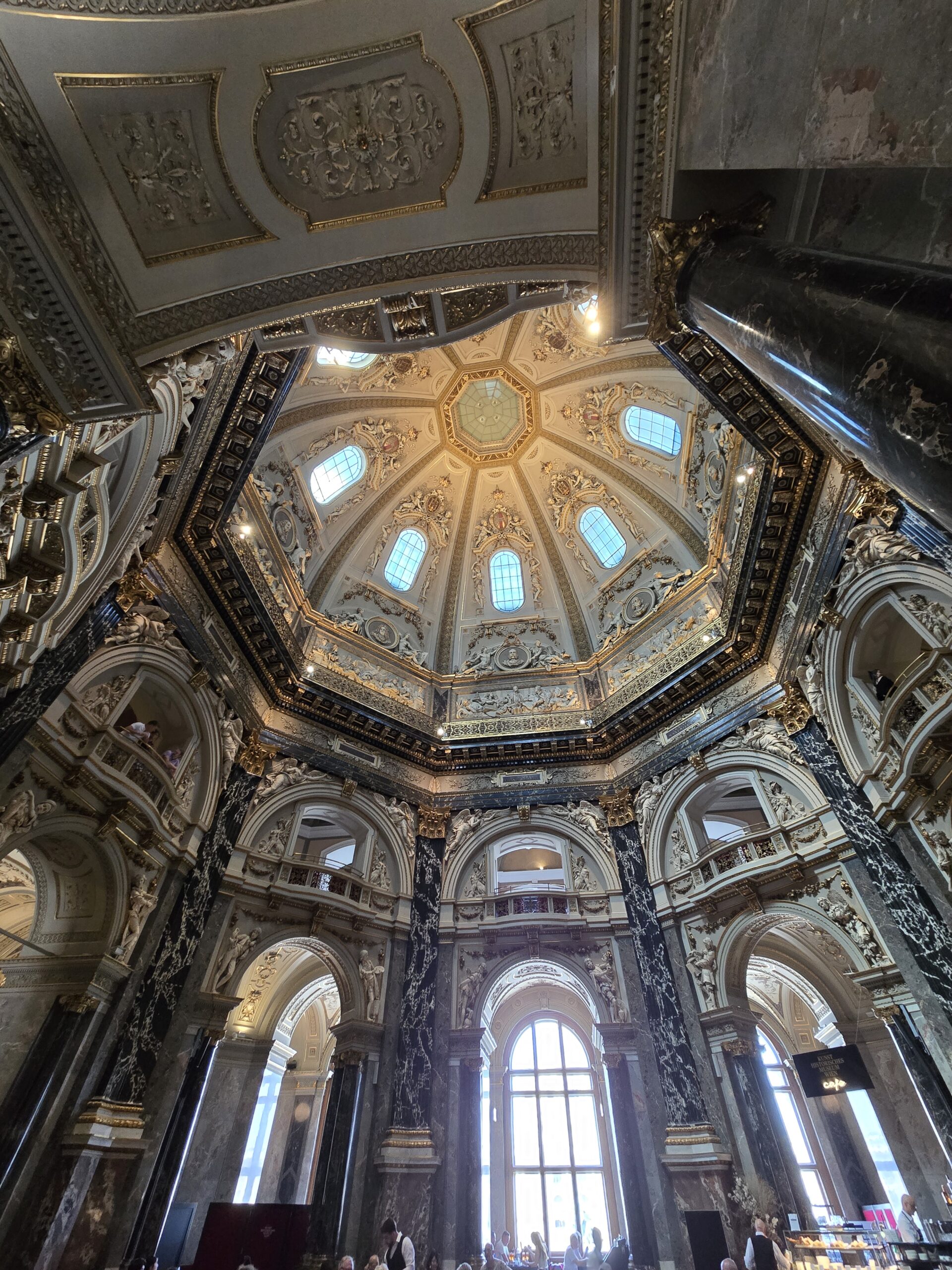
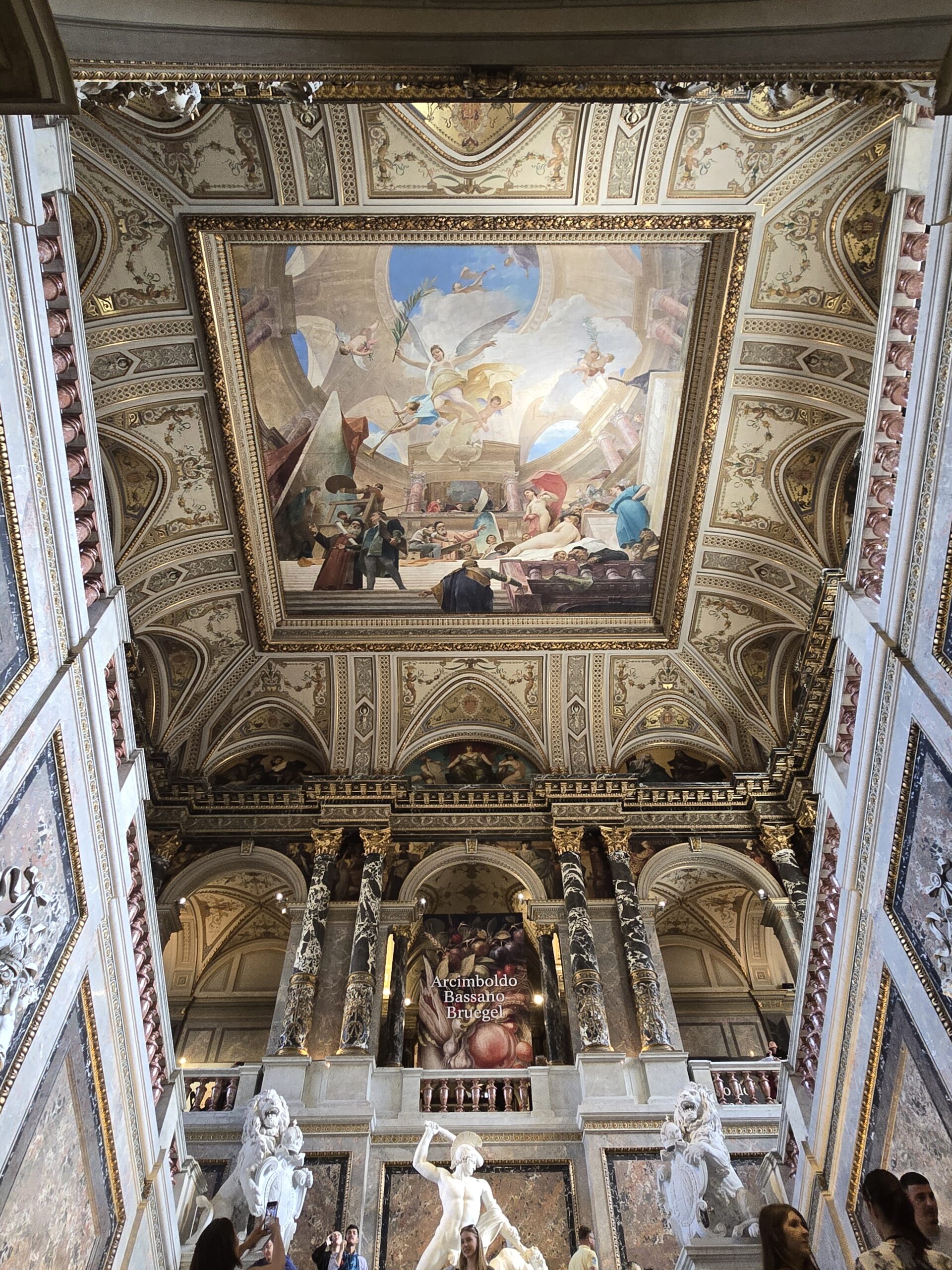
The initial planning for the museum began in 1857, though it would be another ten years before a design competition was held. Austrian architect Karl von Hasenauer was selected as the winner; however, his design was refined and completed by Gottfried Semper under the Emperor’s direction. Construction began in 1871, and the museum officially opened to the public in 1891. Today, the Kunsthistorisches Museum stands as a testament to the level of artistry for which Vienna is so famous, with its grand staircase, impressive cupola hall, and richly decorated Neo-Baroque interiors designed to reflect imperial power and prestige.
Visiting the Kunsthistorisches Museum in Vienna
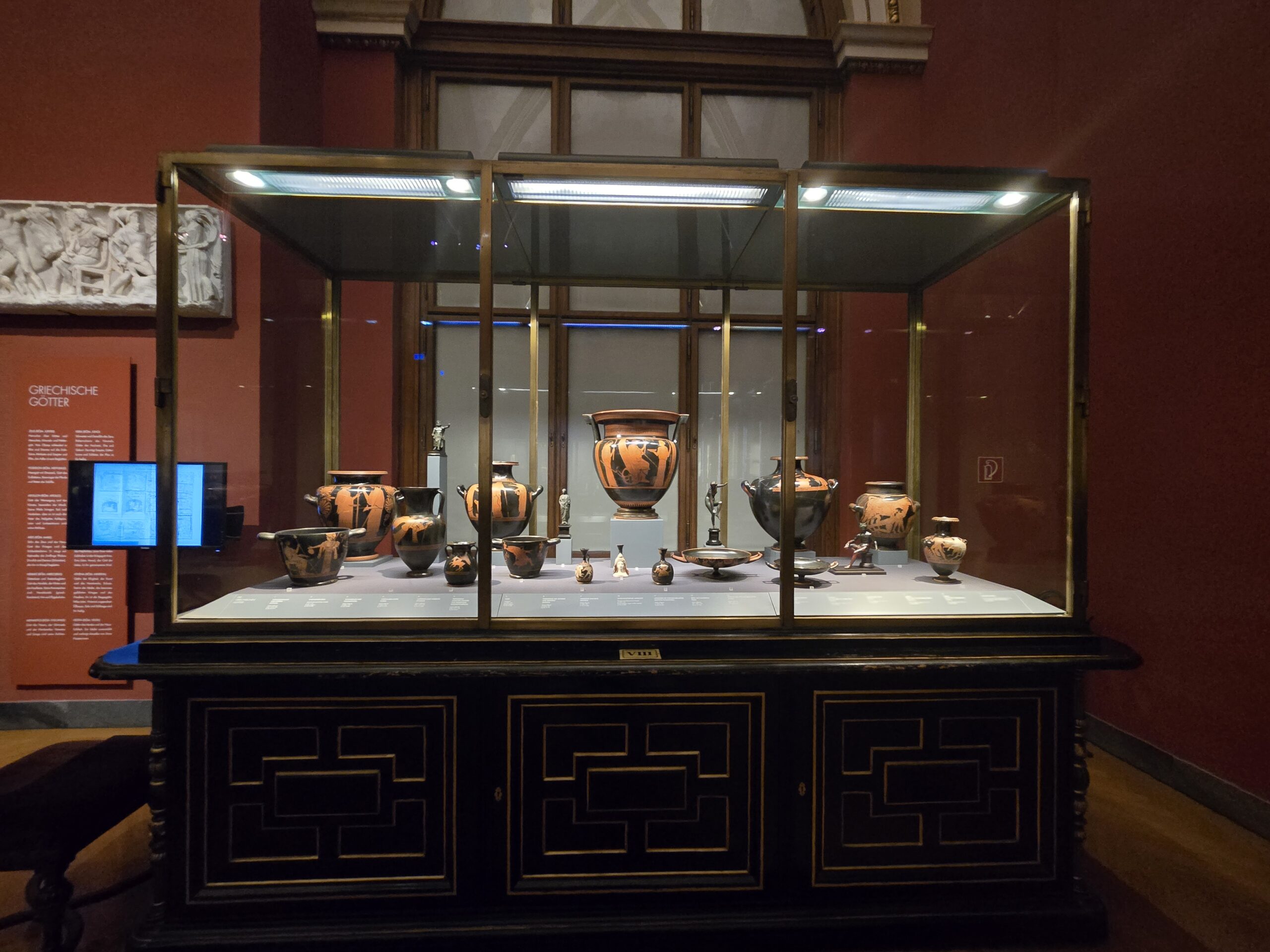
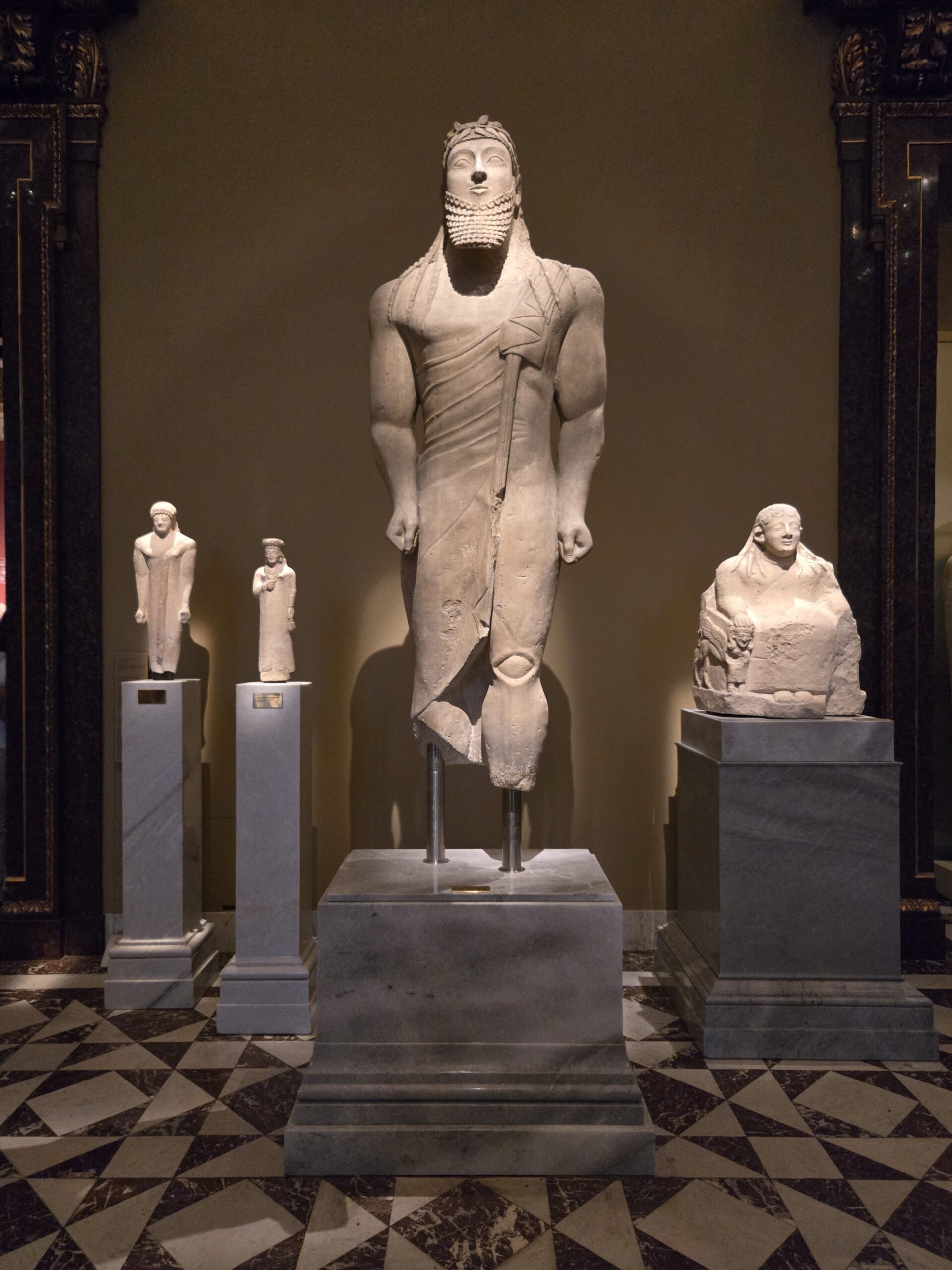
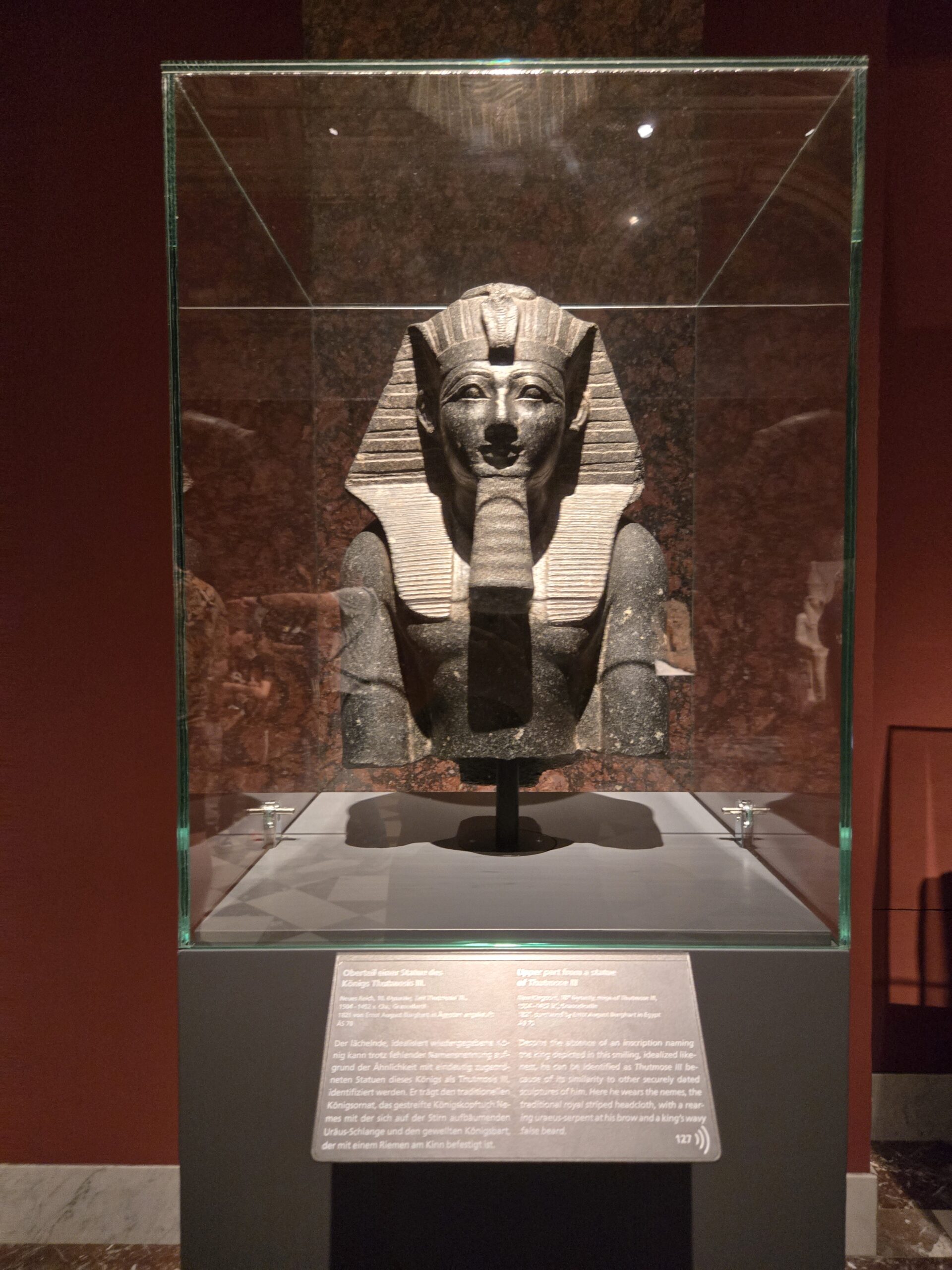
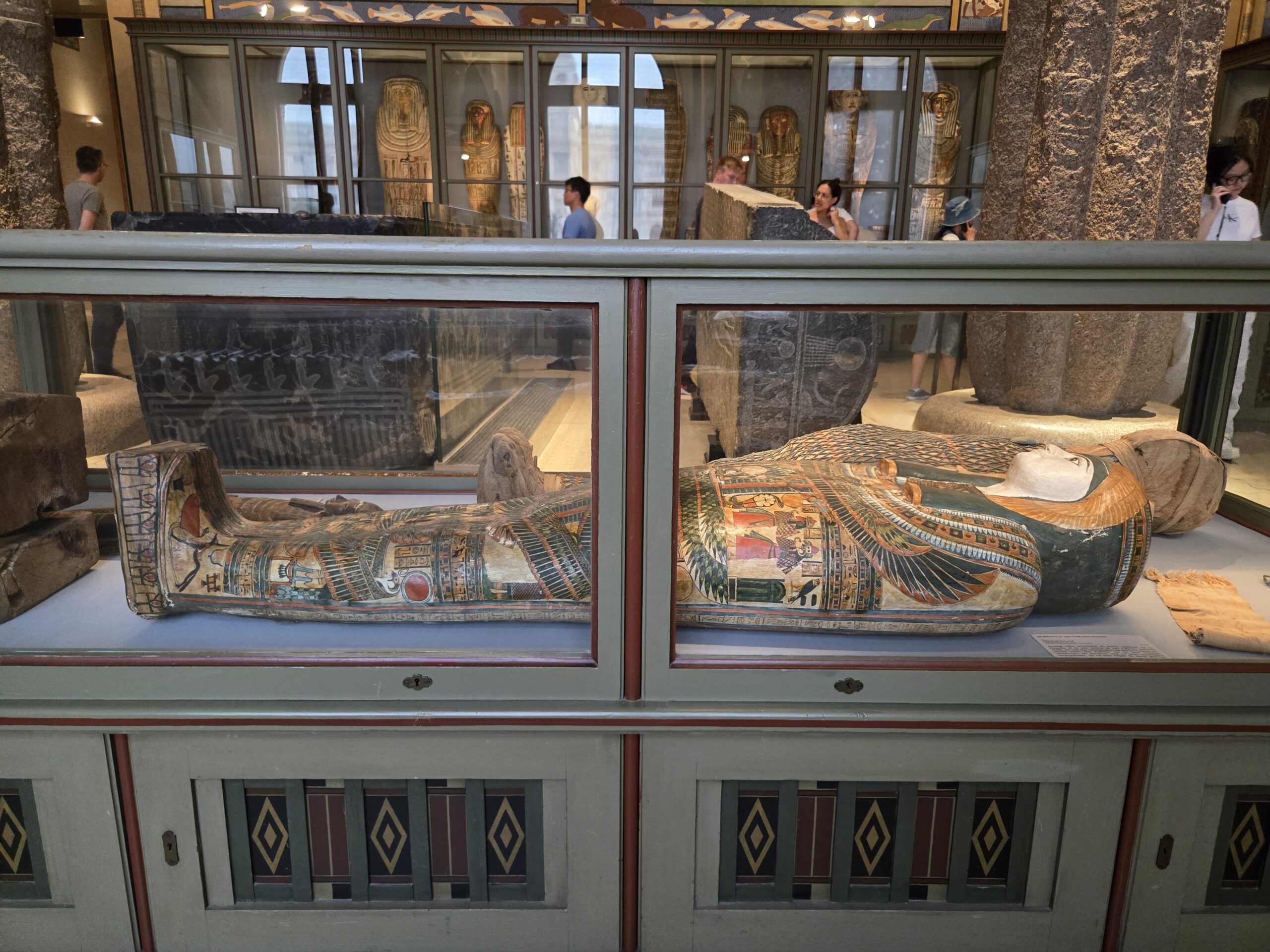
I have a strong passion for art, so it is no surprise that art museums tend to be included on my must-see lists when I travel, especially abroad to Europe. For my 2025 spring trip to Europe, I was beyond ecstatic when I discovered that the Rick Steves’ Best of Munich, Salzburg, and Vienna tour would include a guided tour of the Kunsthistorisches Museum with a local historian. Based on research prior to the trip, I knew the museum would be great, but it turned out to be much more than that and is now one of my best travel highlights (and Ive been traveling for over 35 years!). After the guided tour, I wound up staying an additional two hours exploring the Kunsthistorisches’ magnificent artworks, and the Egyptian and Near East Collection.
The Kunsthistorisches Museum is a centrally located attraction, directly across from the Museum of Natural History and a short walk from the Hofburg Palace, home to the Imperial Apartments and Imperial Treasury (guide for the Natural History Museum coming soon). It spans three floors, each featuring a mix of collections and visitor services. Guests enter via floor .5 (ground floor), and from here visitors can access the coat room, lockers, and larger gift store. The ground floor also houses the Kunstkammer, the Habsburgs’ collection of artifacts spanning the late Middle Ages to the Baroque era, and an impressive array of antiquities. On the 1st floor, visitors will find the artwork, the museum’s cafe, and a small gift shop. Finally, on the 2nd floor, there is an impressive coin collection and works by J. C. Vermeyen.
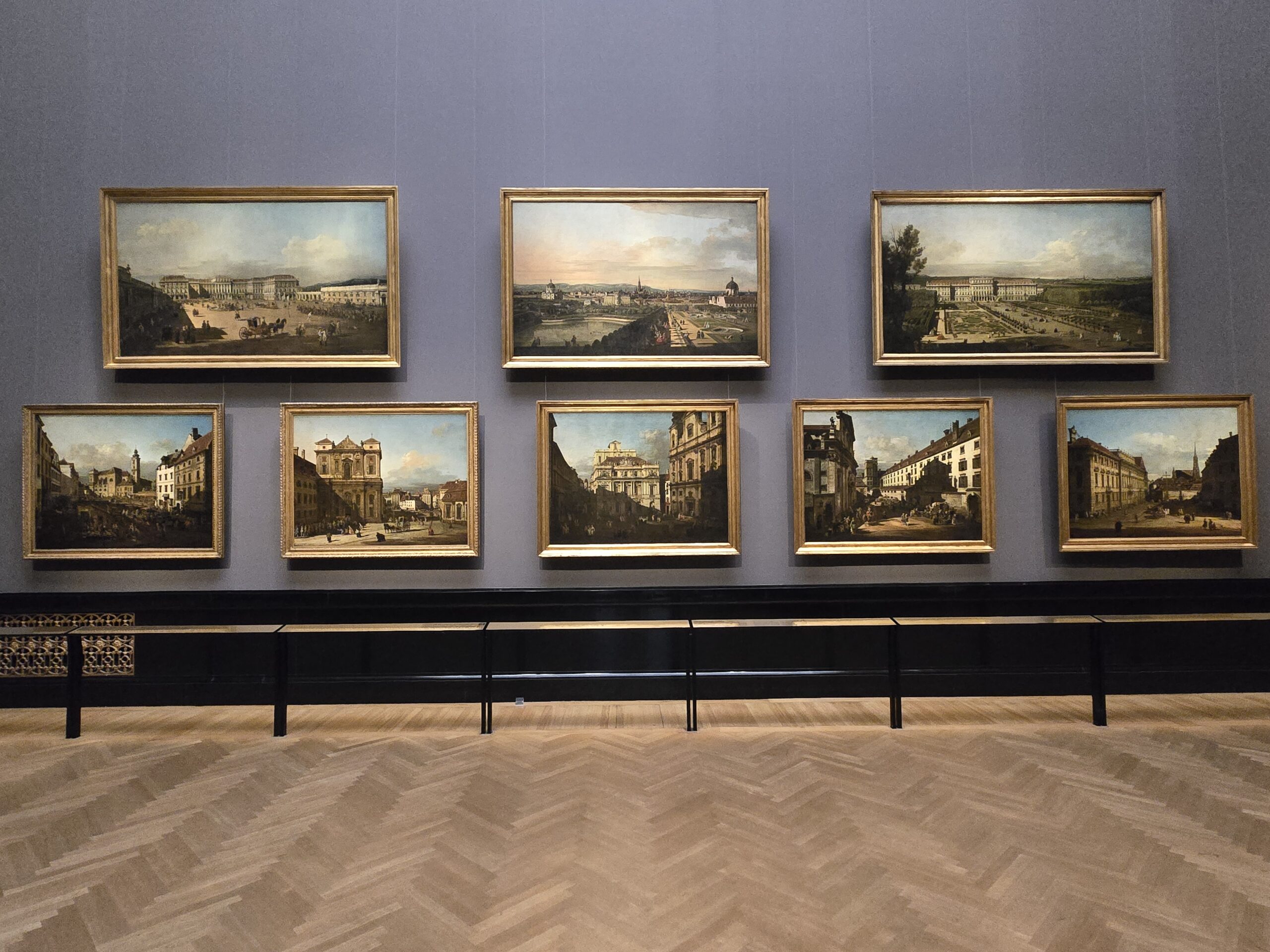
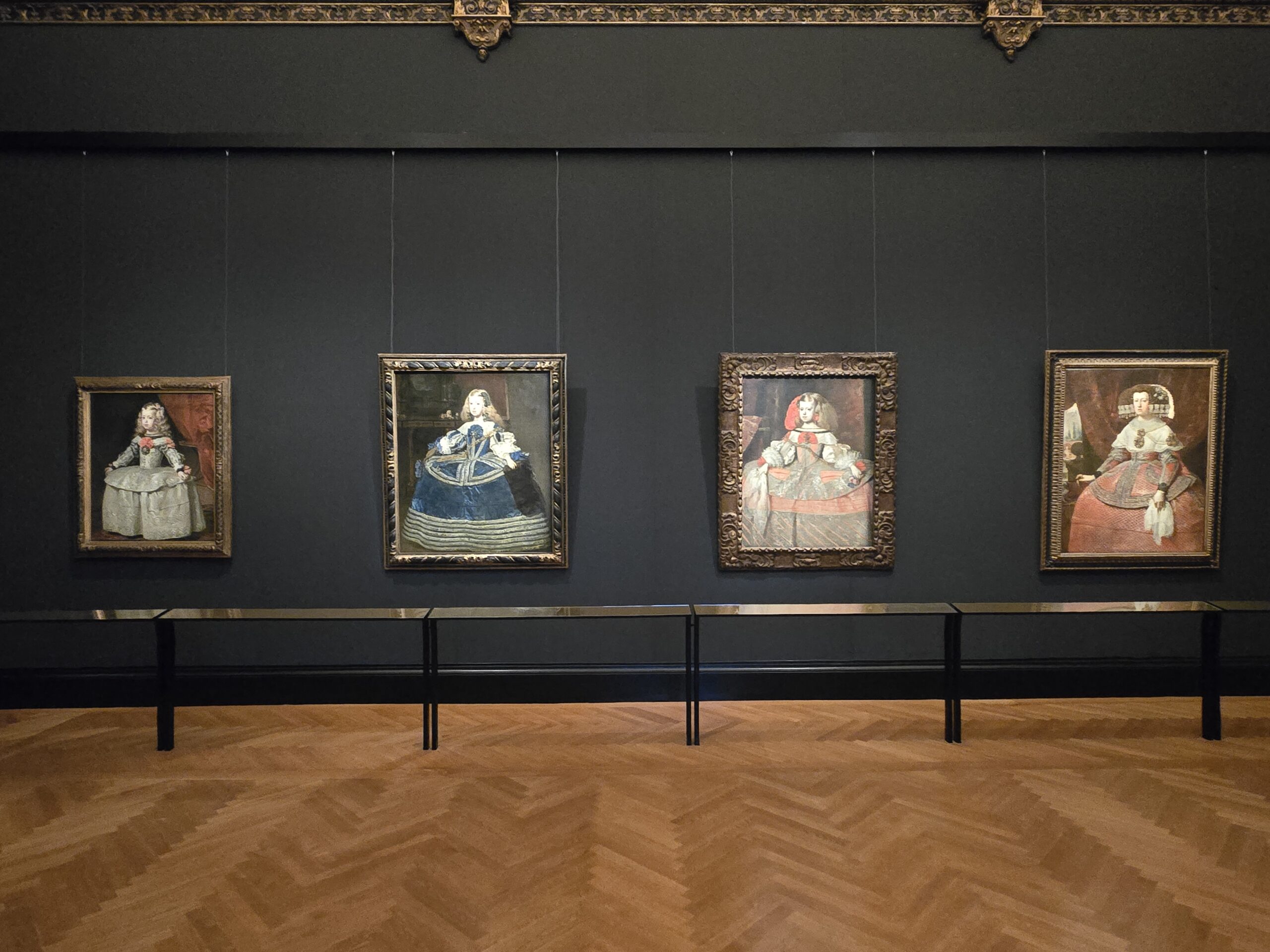
Given the Kunsthistorisches Museum’s popularity and vast collections, I recommend that visitors purchase tickets in advance and arrive early. Arriving early enhances your experience by allowing you to explore the galleries without large crowds, and it helps you capture unobstructed photographs. I had to wait several minutes in two galleries for them to clear so I could take pictures without people in the way (see first two images in this guide for those photos). In terms of time, I suggest guests plan for 3 to 4 hours, though art and history enthusiasts could easily spend more than half a day at the Kunsthistorisches Museum.
I spent 2.5 hours at the museum, and that included the roughly 30-minute guided tour at the beginning. After the group’s tour, I explored all of the first-floor galleries and most of the antiquities exhibits. Unfortunately, I did not have time to explore the Kunstkammer or the coin collection. I also stood in line at the Café at the Kunsthistorisches Museum, but when the staff announced a 30-minute wait, I decided to skip lunch and use my limited time to continue exploring the galleries. Why the long wait? The café sits beneath the museum’s beautiful cupola, turning a simple meal into a special experience.

The Café at the Kunsthistorisches Museum accepts online reservations, which is perfect for those interested in enjoying a delicious meal in a spectacular setting.
Fortunately, the tour company handled our tickets, as there was a rather long line at the ticket office upon arrival. For reference, we visited the museum early in the afternoon on the first Saturday in May, and it was very crowded. Some reviews indicate that the online ticketing system can occasionally have issues, so if you encounter any problems during the booking process, it is best to contact the museum directly rather than waiting to purchase tickets in person. You do not want to risk tickets selling out, especially during peak times.
Audio guides are available for rent and are a good option for those interested in more in-depth information. A discount is provided for families and when renting multiple guides.

The museum is fully accessible to those using mobility assistance equipment, and wheelchairs can be rented free of charge (must be reserved prior to your visit).

Visitors planning to see both the Kunsthistorisches Museum and the Imperial Treasury can purchase the Treasures of the Habsburgs combo ticket, which offers savings compared to buying admission to both sites separately.
Overall, this is a museum I highly recommend travelers add to their bucket list. The Kunsthistorisches Museum is well curated, easy to navigate, and offers something for everyone, from world-class artwork to fascinating relics and antiquities. The only downside is eventually having to leave. As someone with a strong passion for art and Ancient Egypt, I could have spent hours here, but alas, I had to head out for the tour’s farewell dinner.
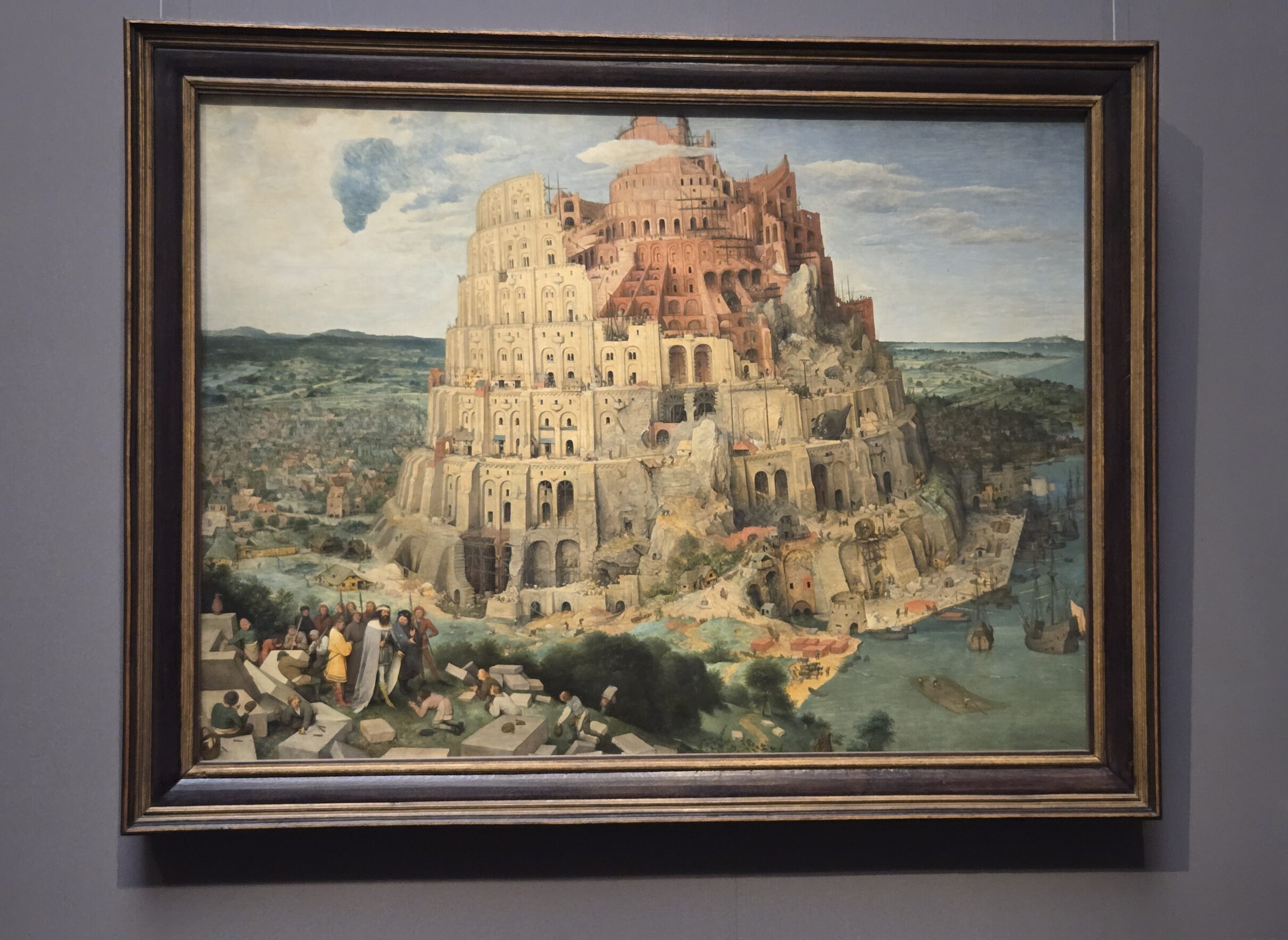
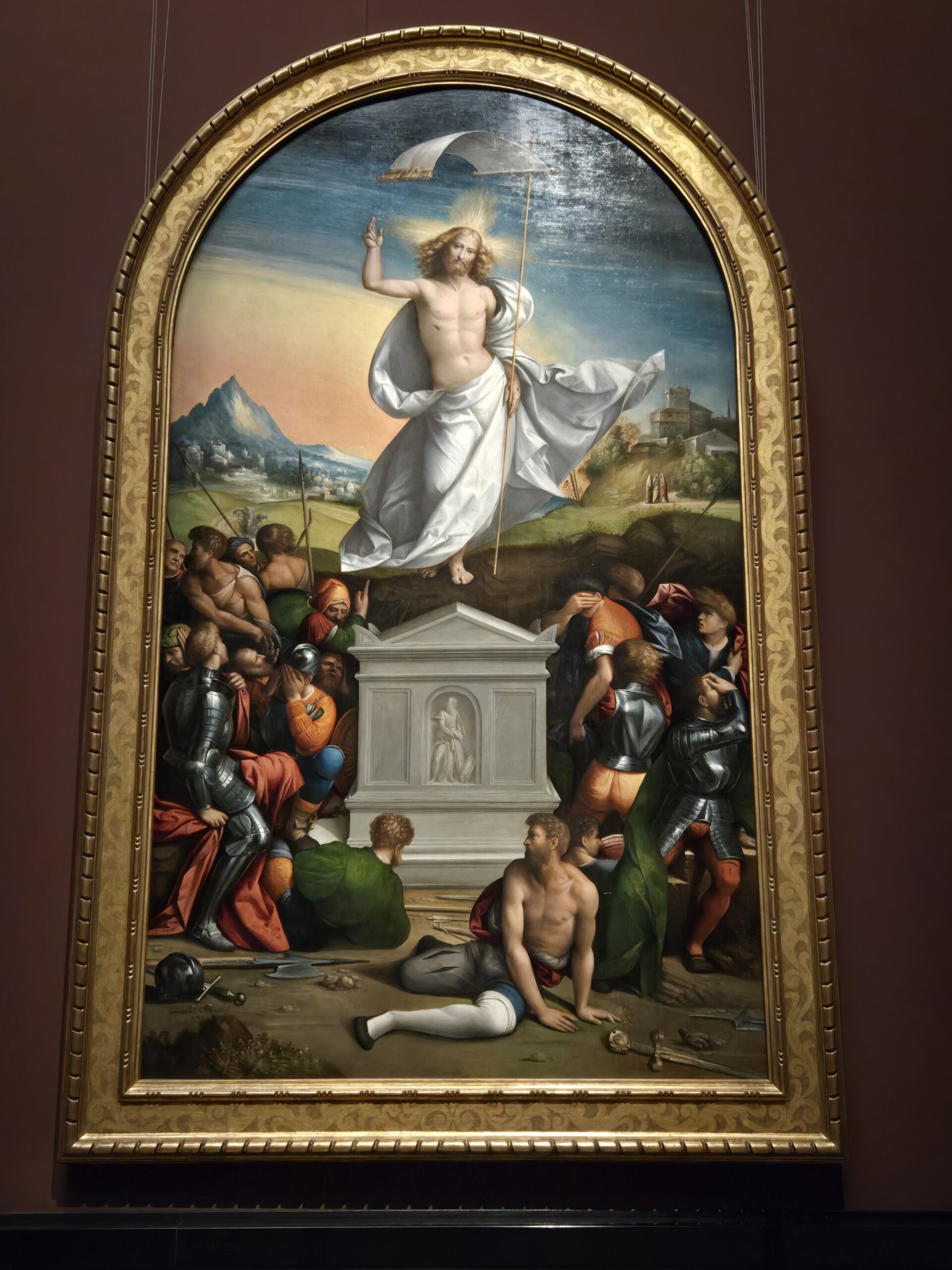
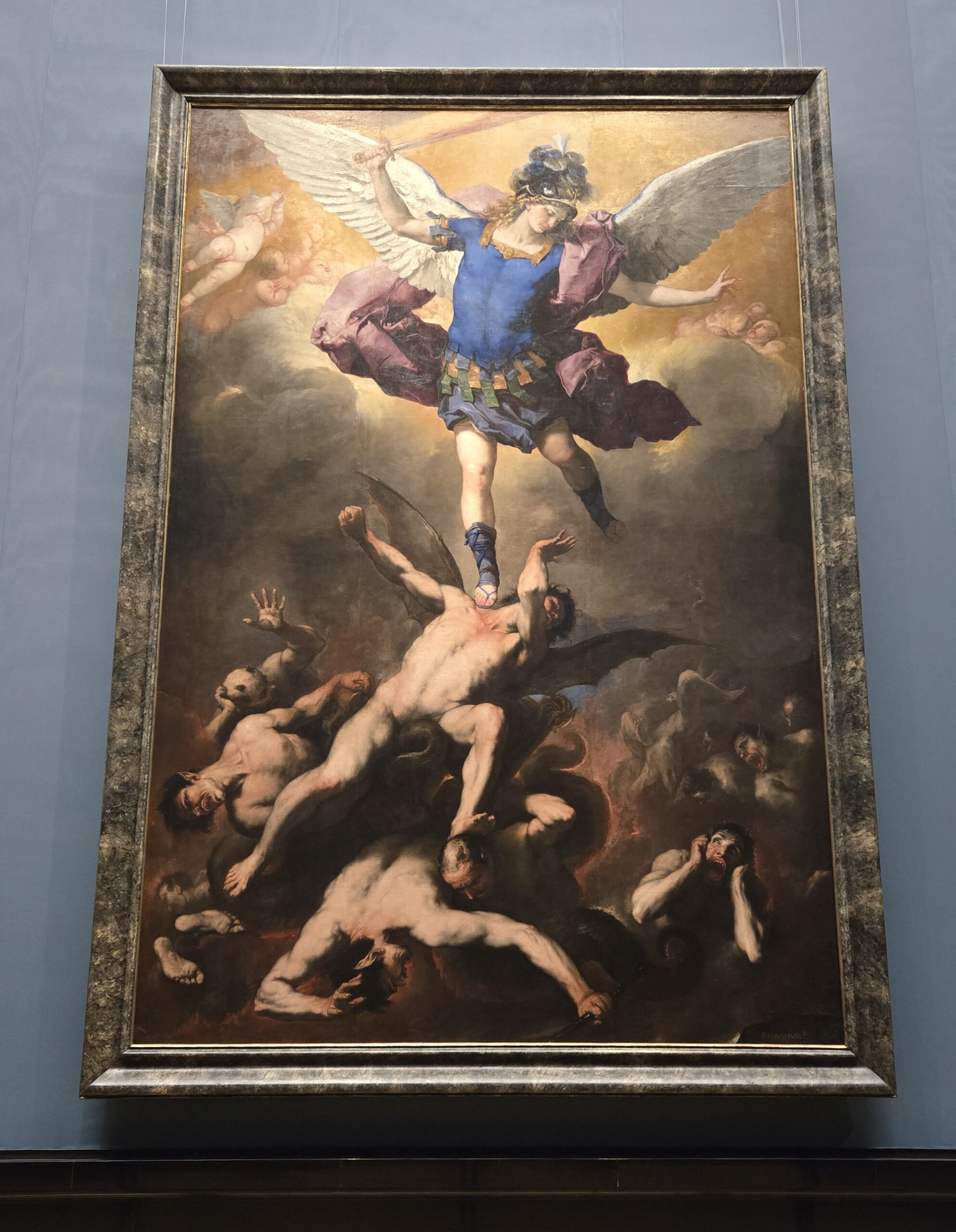
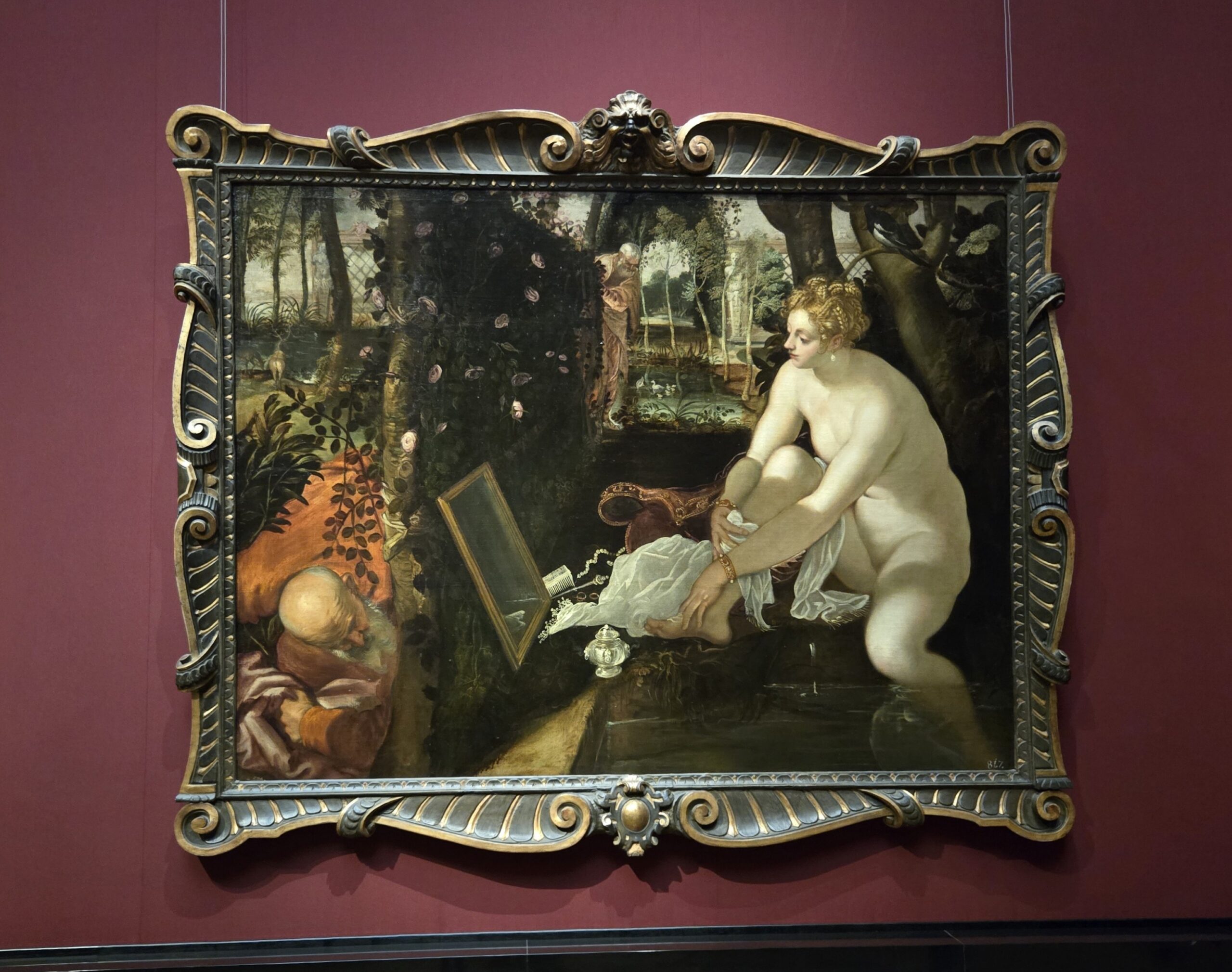
Travel Tips
As mentioned earlier, the Kunsthistorisches Museum is located directly across from the Museum of Natural History and a short walk from the Hofburg Palace. An ideal one-day itinerary would be to visit the Kunsthistorisches Museum in the morning, followed by a walk to the palace to tour the Imperial Treasury and later the Imperial Apartments and Sisi Museum (both sites are covered by a single ticket).
I do not recommend visiting the Kunsthistorisches Museum and the Museum of Natural History on the same day, as it can be very tiring and likely overwhelming. During my visit to the Museum of Natural History, it took me nearly two hours just to explore the first floor. Like the Kunsthistorisches Museum, you need at least two hours to explore the Museum of Natural History, if you speedwalk through the exhibits, but three to four hours is recommended for a more relaxed, complete experience.
(Guides for the Museum of Natural History coming soon.)
Resources
For additional information, visit the Kunsthistorisches Museum website.



Leave a Comment