
A destination guide to the Helsinki Cathedral and Uspenski Cathedral in Helsinki, Finland.
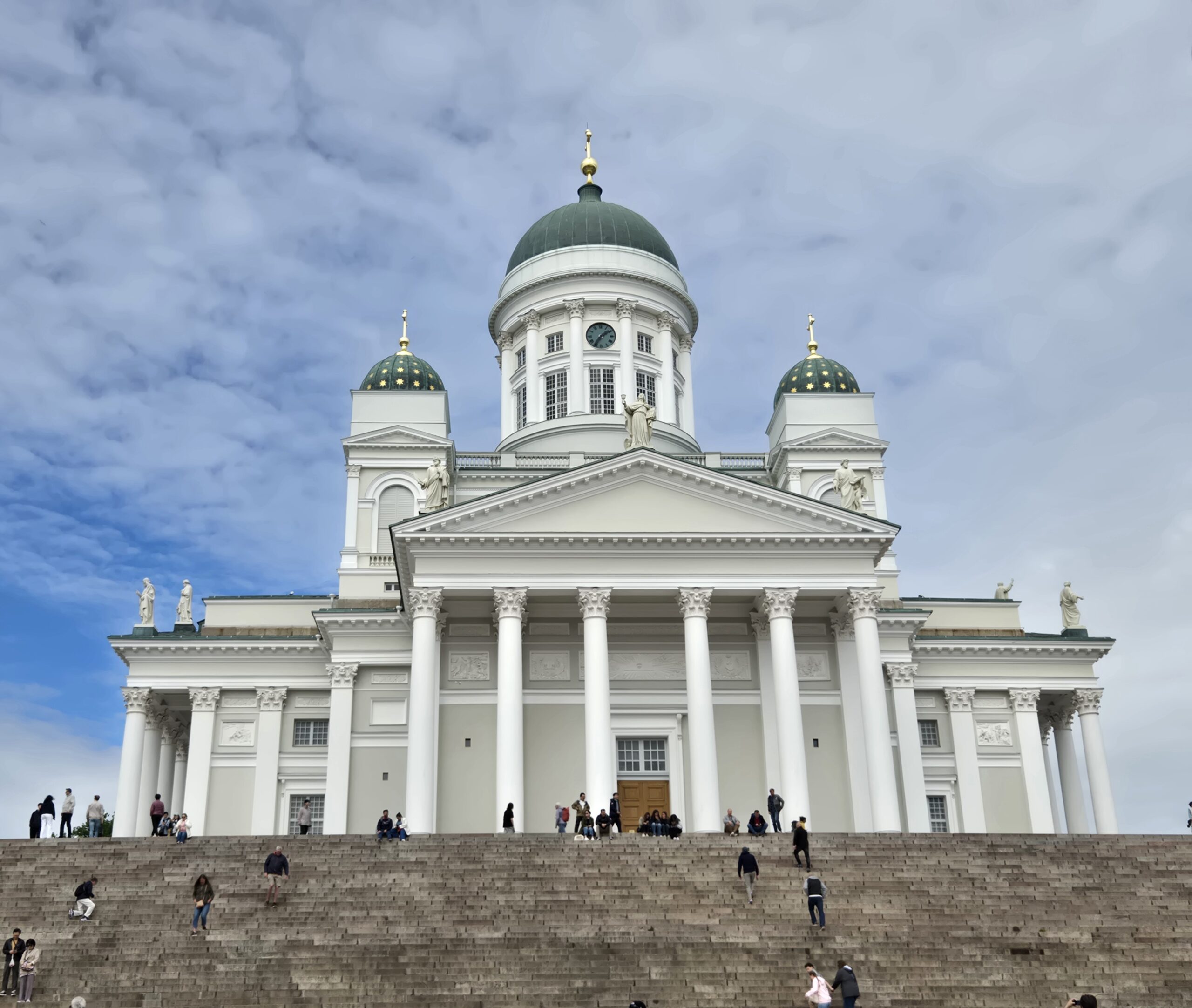
Travelers who have explored major European cities will quickly realize Helsinki’s landscape lacks something: an abundance of impressive Romanesque, Gothic, and Baroque cathedrals and basilicas. Why is that? Compared to other capital cities, like Madrid, Paris, and Vienna, Helsinki is relatively young, having been founded in 1550, decades after the end of the Middle Ages. But while the city may not have a towering Gothic church, it has two equally beautiful churches: Helsinki Cathedral and Uspenski Cathedral.
Visiting Helsinki Cathedral and Uspenski Cathedral
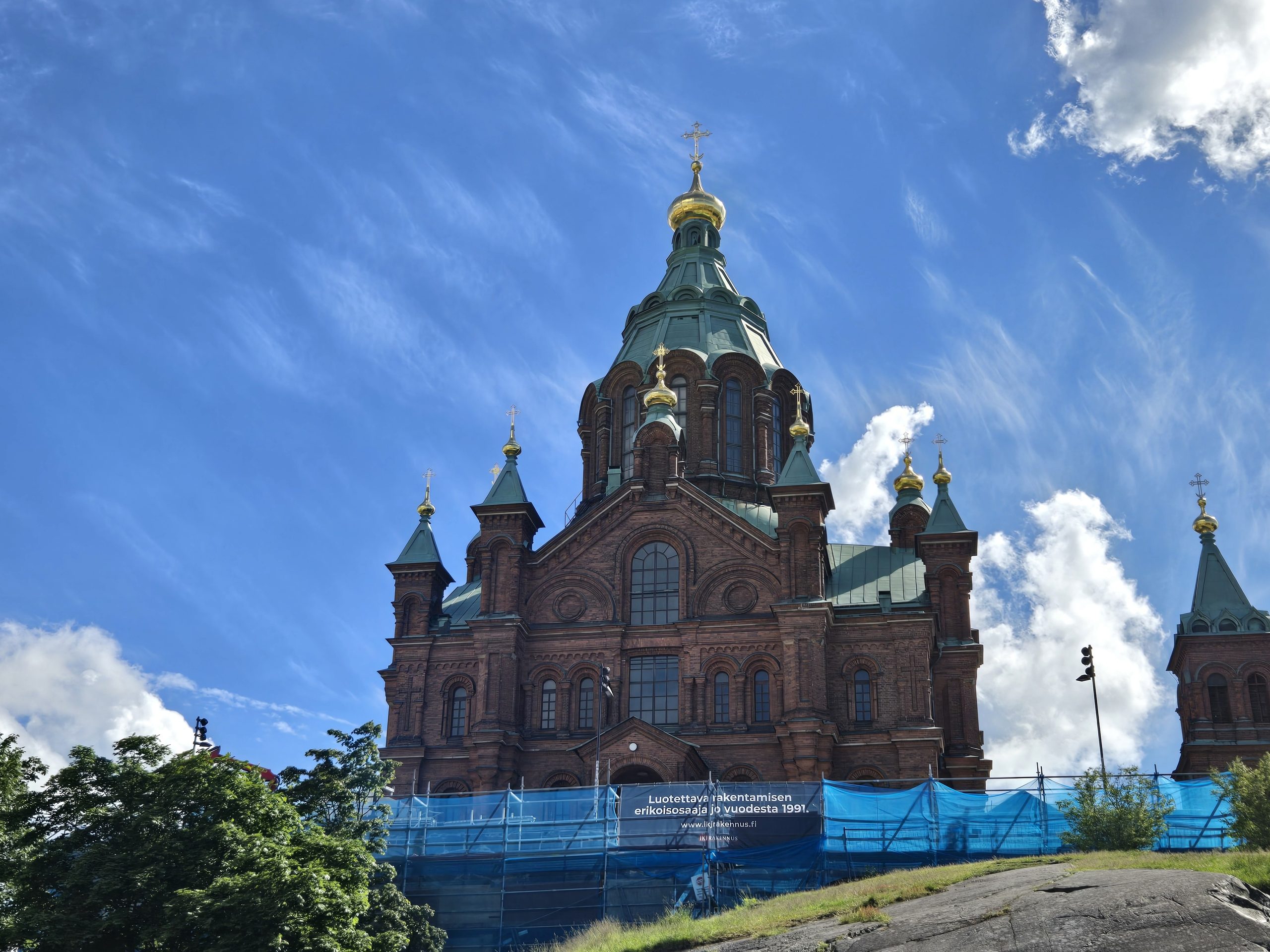
Helsinki has three churches that are frequently listed in travel guides and blogs: Helsinki Cathedral, Uspenski Cathedral, and Temppeliaukio Church. The two cathedrals are centrally located, and on a clear, sunny day, you can see their green domes from afar, including from Suomenlinna Island. Temppeliaukio Church is a unique church built directly into solid bedrock, situated a few blocks west of the Esplanadi. Another church worth visiting but often overlooked is St. John’s Church, built in the Gothic Revival style with a beautifully adorned interior.
For my recent trip to Helsinki, my family only had time to visit Helsinki Cathedral and Uspenski Cathedral, given their central location and proximity to other sites like Kauppatori Market Square, Helsinki City Museum, and the Esplanadi.
Helsinki Cathedral
Helsinki Cathedral is a Lutheran church that prominently sits atop the steps of Senate Square. Consecrated in 1852, the church was first named Nicholas Church in honor of both Russian Tsar Nicholas I and St. Nicholas. The name Helsinki Cathedral was adopted in 1959, which is when the Diocese of Helsinki was formed.
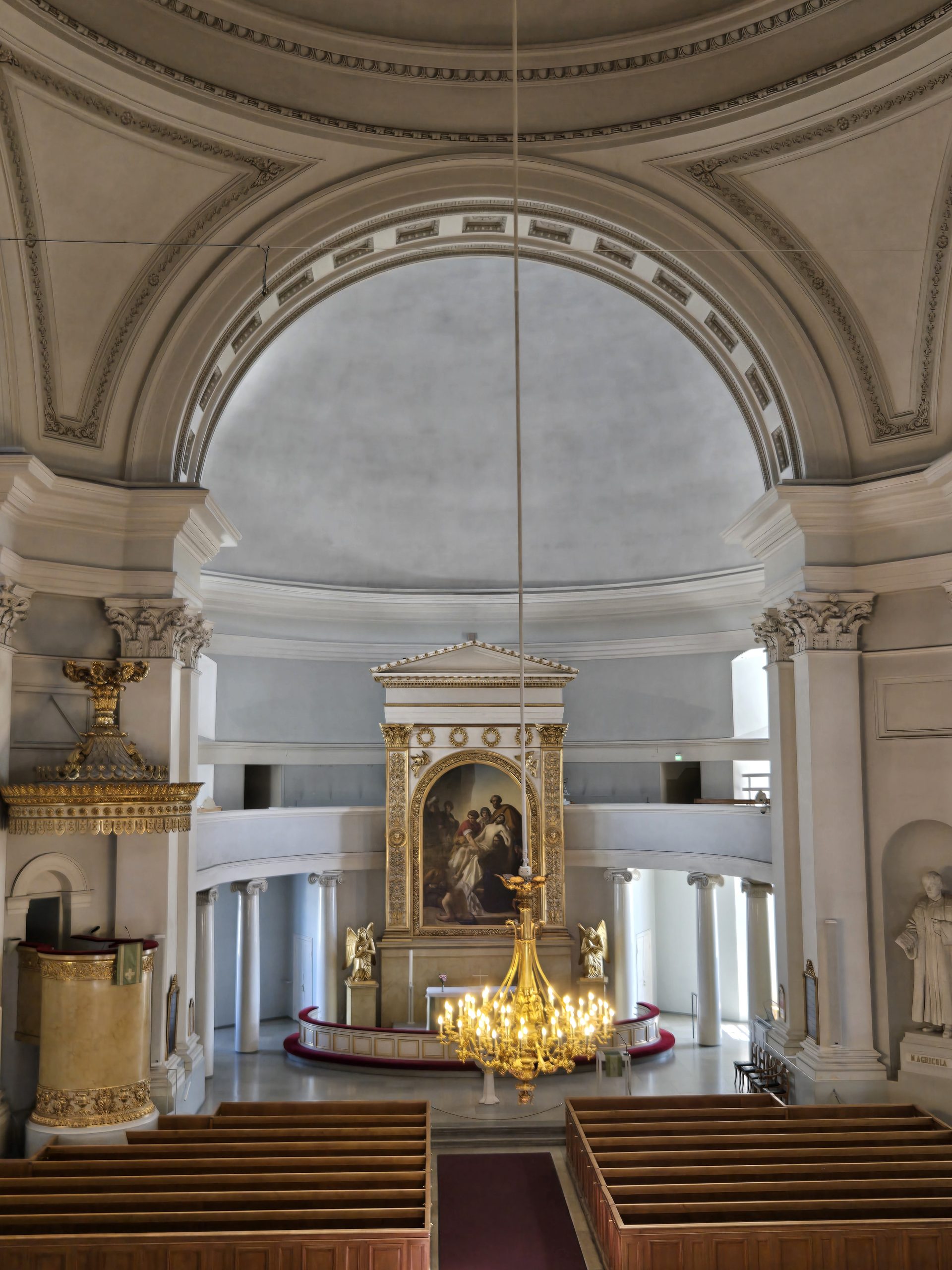
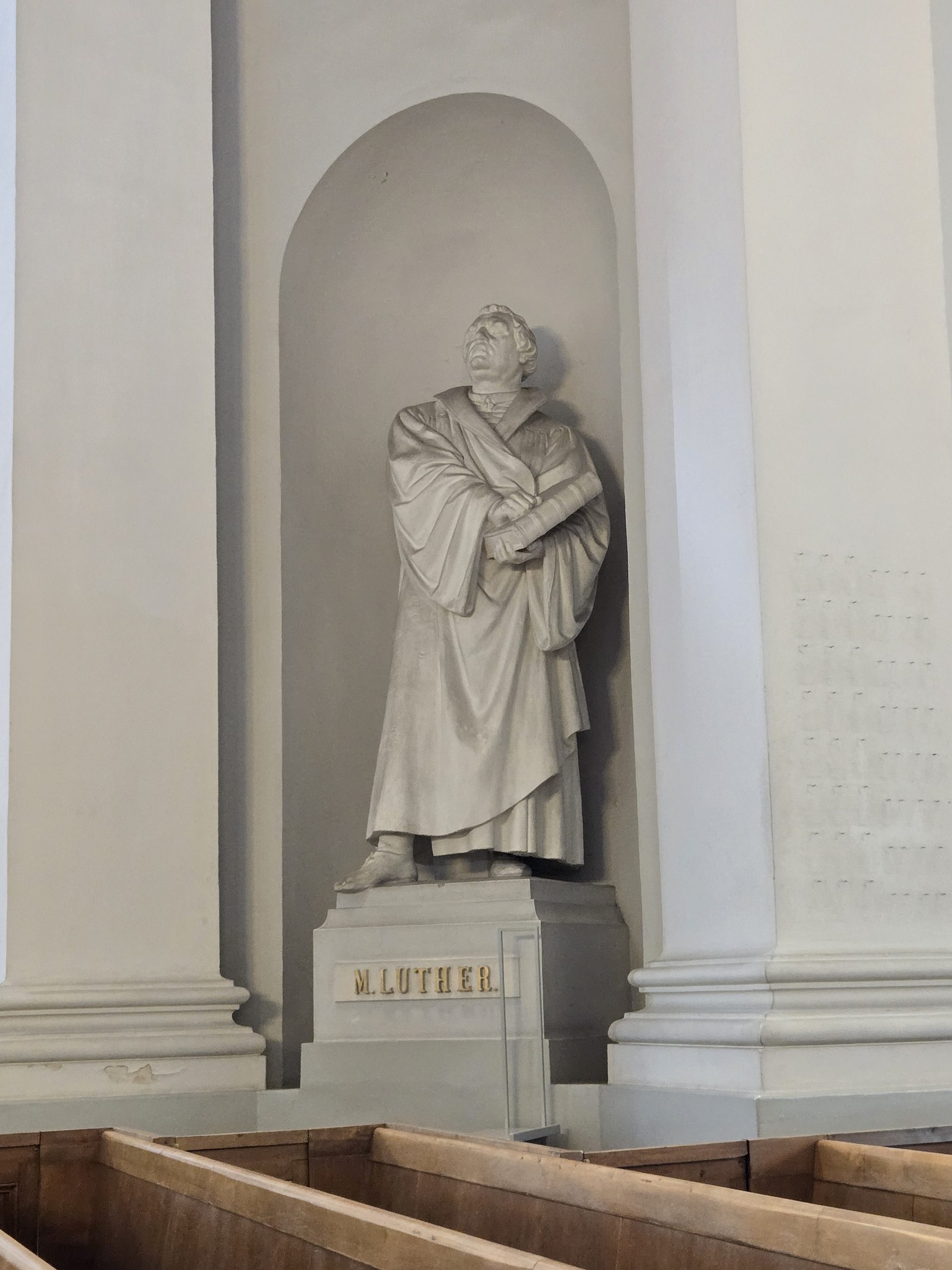
After visiting grand churches in cities like Budapest, Munich, and Vienna, walking into Helsinki Cathedral was a unique experience. Here, there are no gilded columns, stained glass windows, colorful murals, or intricate architectural features. It has the beauty that comes with simplicity, where the focus is on the altar, the pulpit, and the statues of the reformers. This is characteristic of many Lutheran churches.
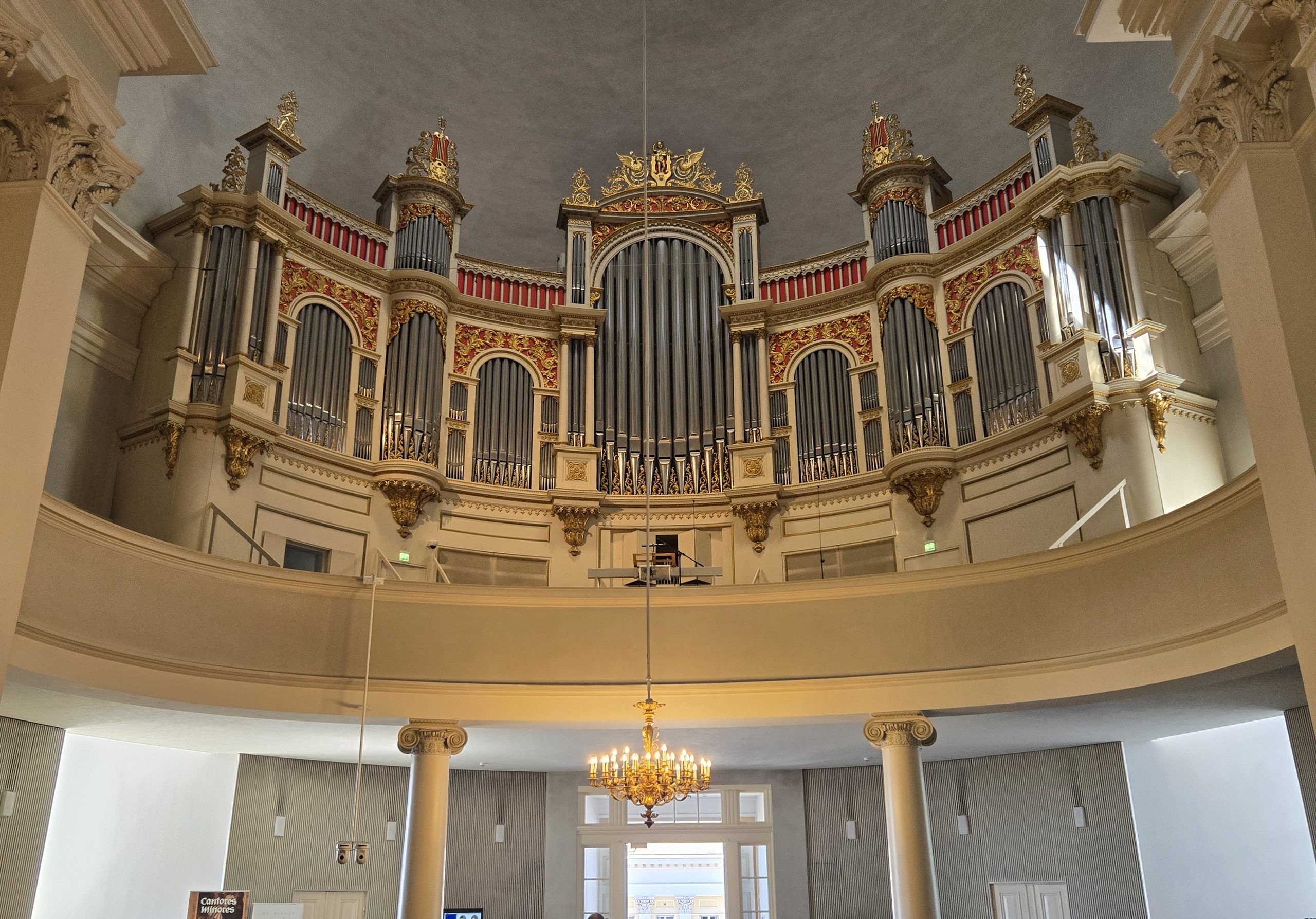
Given this fact, a visit to explore the interior takes 15 to 20 minutes. Inside, you can walk around the church to view the painting behind the altar, the statues, the pulpit, and the organ. When my family visited, a staff member gave a short talk on the church’s history and then offered those interested the chance to climb to the 2nd floor to see the organ up close. My dad and I accepted, and I’m glad we did because the view from the balcony was great.
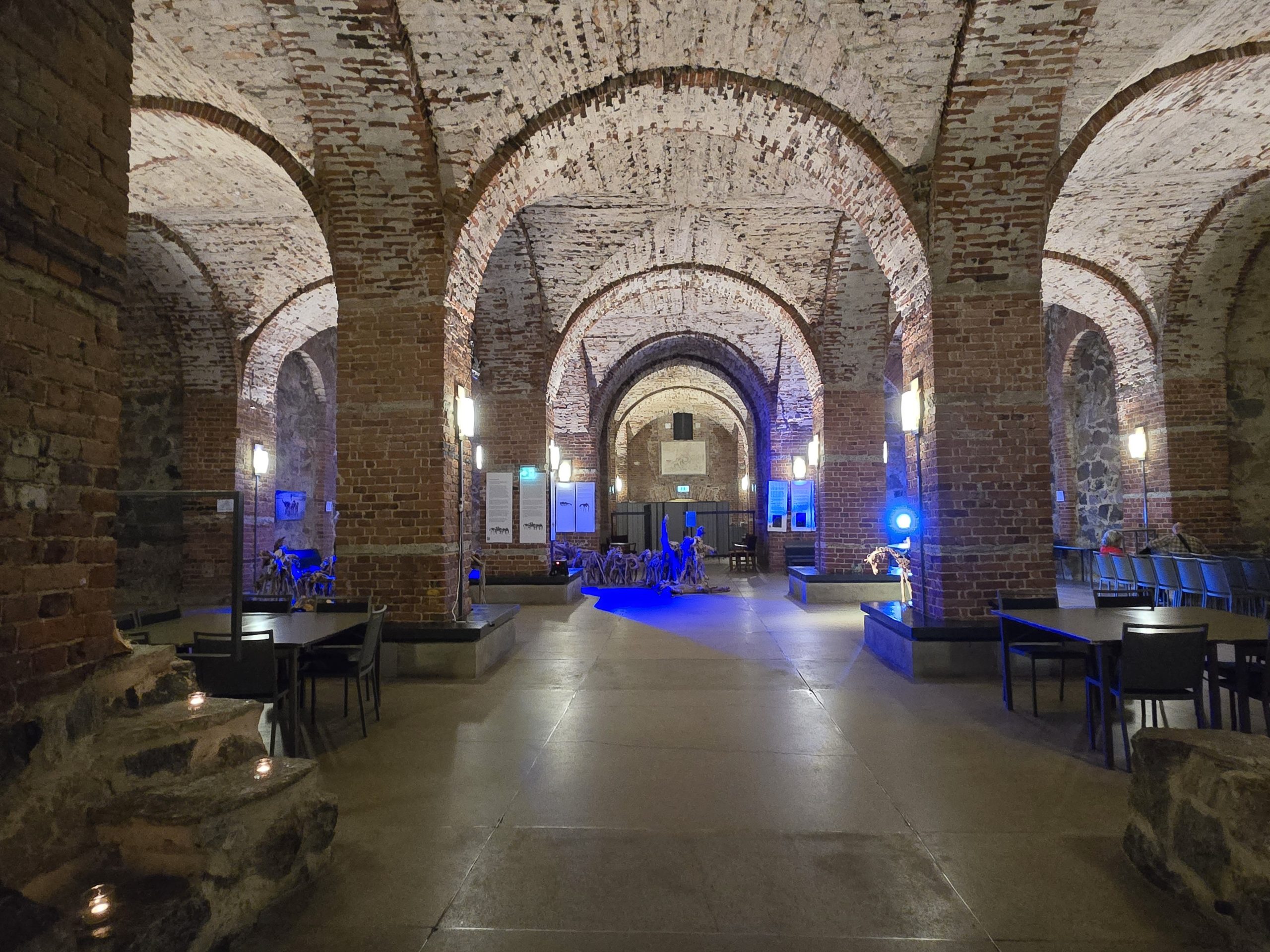
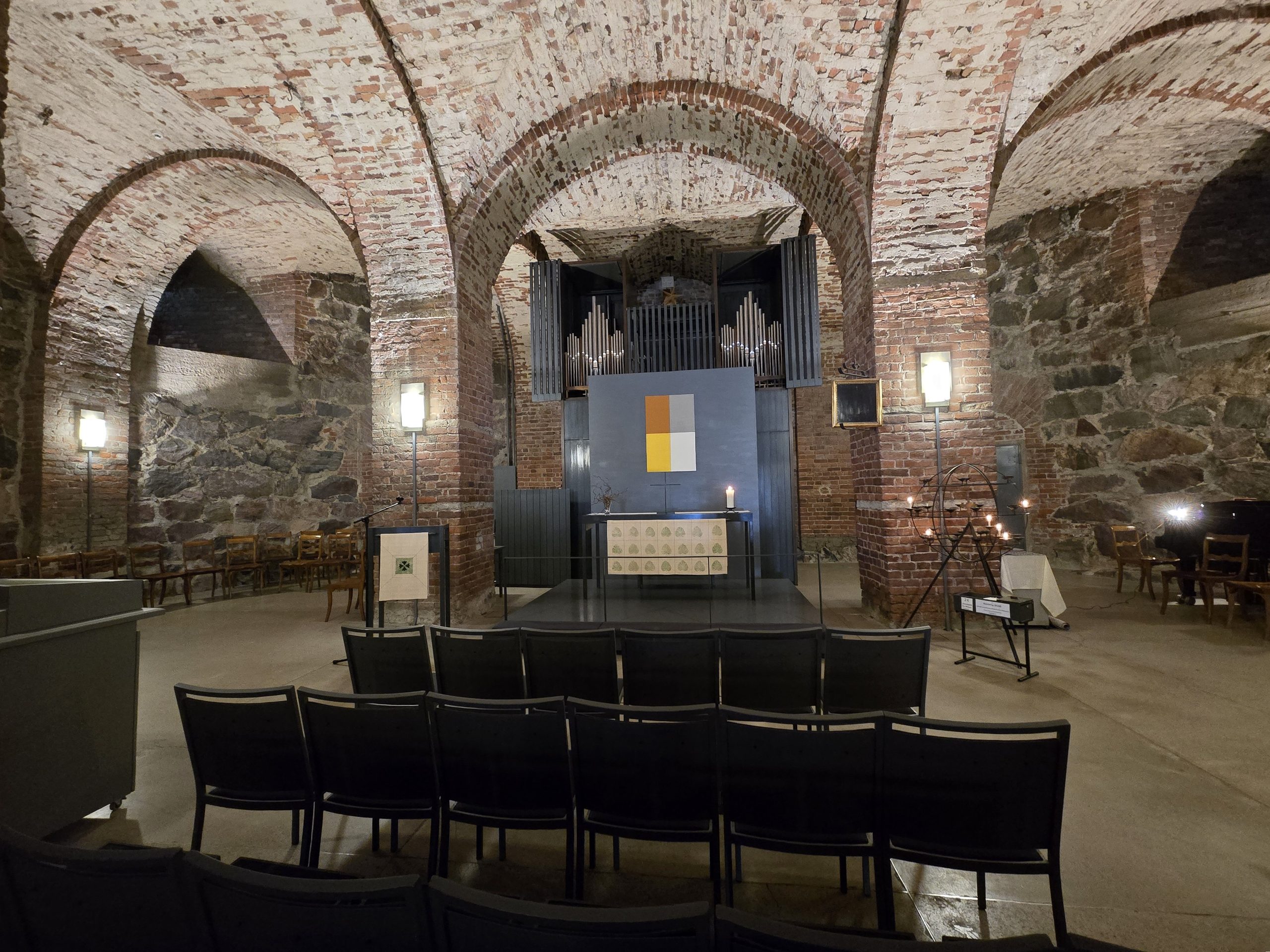
Another area to check out within Helsinki Cathedral is the crypt. Accessed via Kirkkokatu 18, the street behind the church, the crypt provides a completely different experience with its brick-lined walls, vaulted ceilings, and dim lighting. I really enjoyed walking around the crypt and viewing the special art installation, with a different one being featured each year. In the summer of 2026, the exhibit was Ice Horses of Ladoga, a display dedicated to the horses lost during the war between Finland and the Soviet Union (it’s a really sad story). The crypt is also home to Café Krypta, which is open throughout the week.

The church has an admission fee, but the crypt is free to visit.

Helsinki Cathedral is accessible. Those with mobility issues can access the church elevators via the crypt.

The church admission fee and operating hours for both the church and crypt vary by season, so check the official site for more information.
Uspenski Cathedral
For a little over 100 years, Finland was part of the Grand Duchy of the Russian Empire, which is one reason why Russian Orthodox churches exist in Helsinki. The Helsinki Orthodox Church was founded in 1827, and to accommodate the growing Orthodox community, a new church was commissioned in the mid-1800s. On October 25, 1868, Uspenski Cathedral was formally consecrated and, at the request of Emperor Alexander II, dedicated to the memory of the Dormition of the Mother of God.
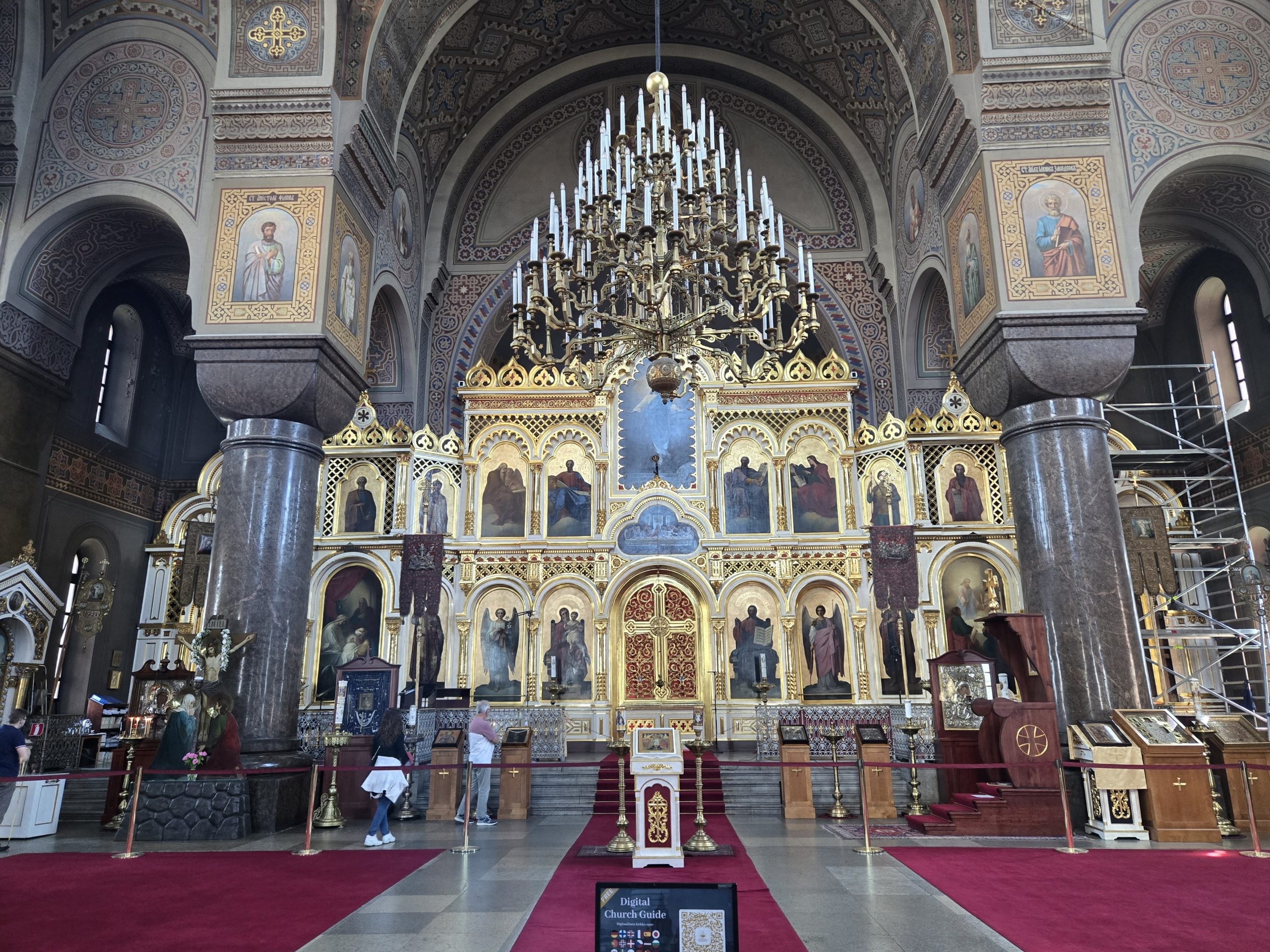
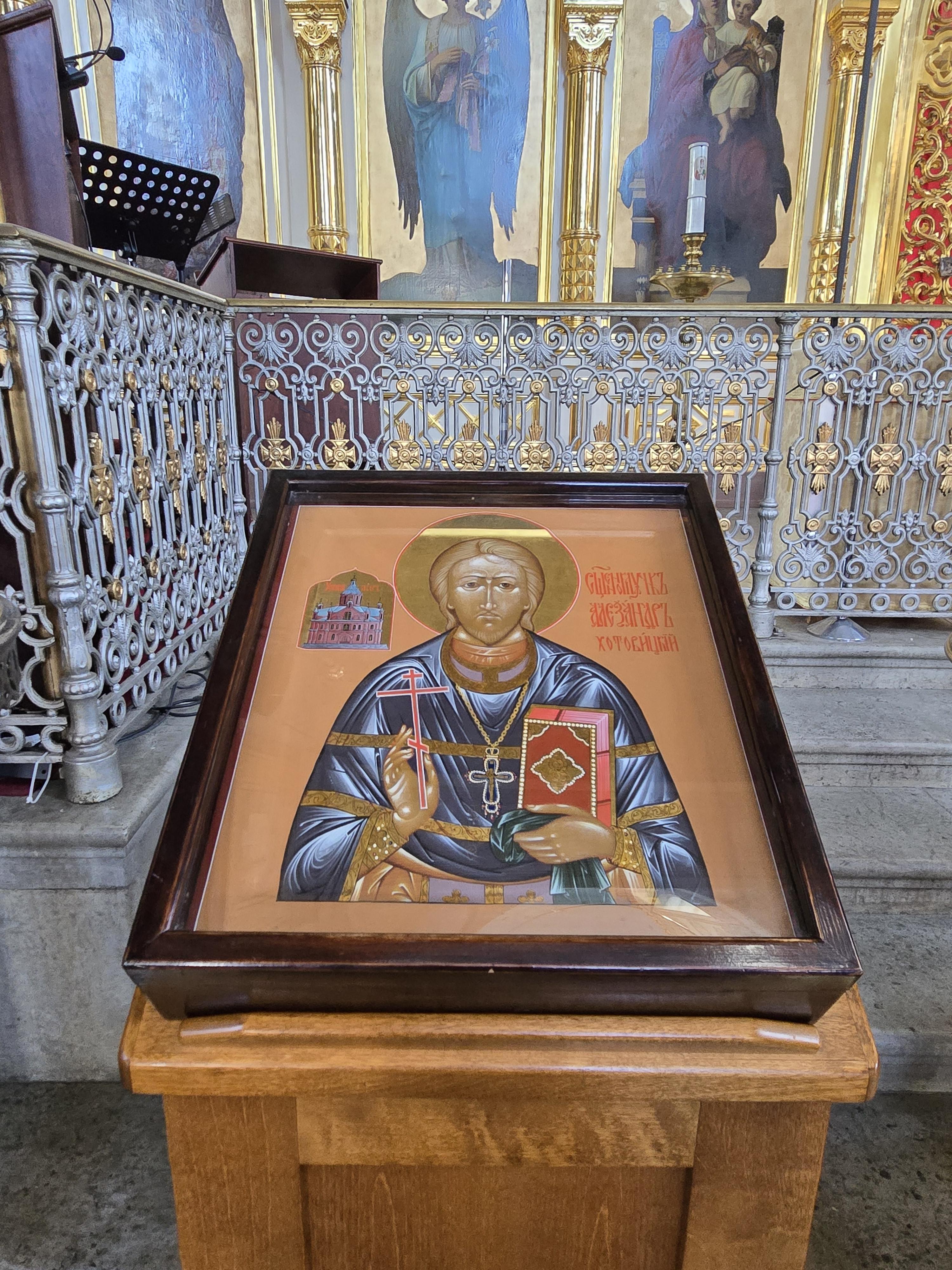
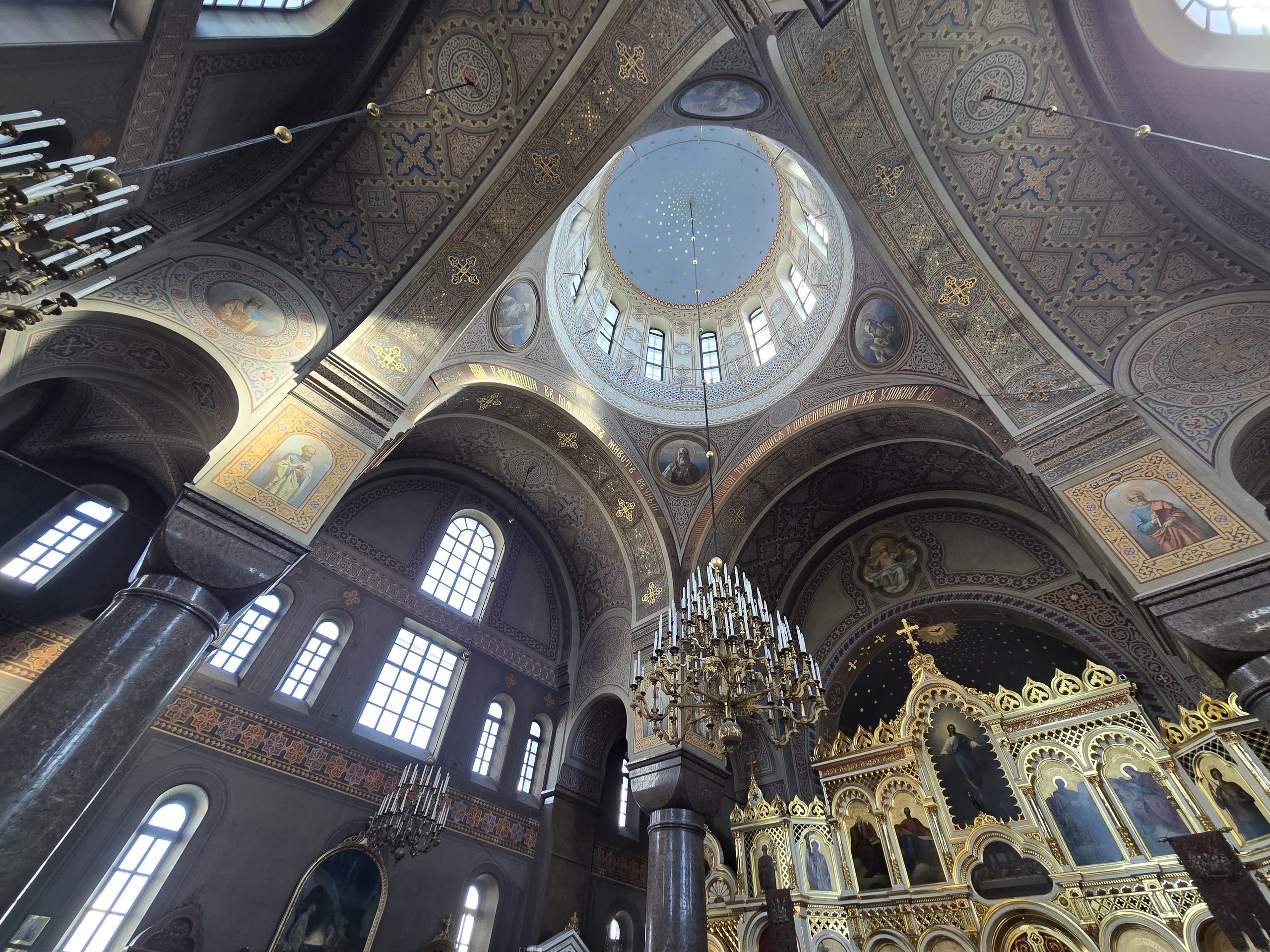
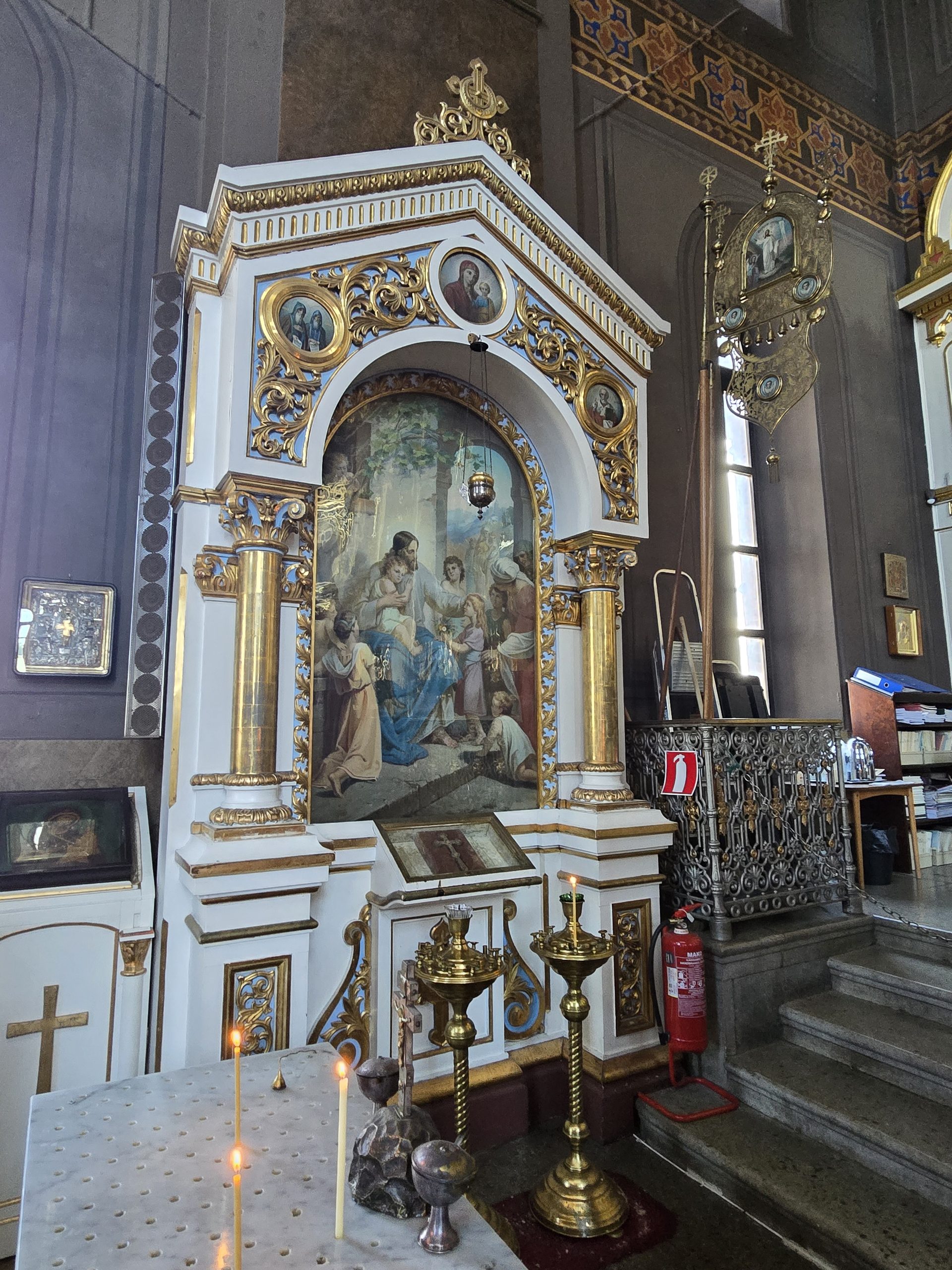
Located atop a hill overlooking the city, Uspenski Cathedral’s simple brick facade and golden domes are a sharp contrast to what visitors will discover inside. The cathedral’s interior is filled with colorful sacred iconography and reliefs, along with the very impressive iconostasis that was designed by Russian architect Aleksey Gornostayev. I was awestruck by the iconostasis’s beauty – its sheer size, colors, and intricate detailing – and I do consider it one of the highlights of my trip to Helsinki.
Uspenski Cathedral is not that large, and a visit should take 25 to 30 minutes. Guests can walk around the interior to view its sacred iconography and paintings, admire the iconostasis, look up towards the splendid dome, and stop at the church store. Unlike other European churches, there are no crypts or towers to explore.
The admission fee includes a virtual tour you can access on your smartphone.
Uspenski Cathedral is fully accessible.
Travel Tip
Uspenski Cathedral and Helsinki Cathedral are a short walk from each other, and from several other must-see attractions, making them an easy addition to any itinerary. On our trip, my family first visited Uspenski Cathedral and then stopped at the Helsinki City Museum on the way to Helsinki Cathedral, since the museum sits across from the church. A short walk from Helsinki Cathedral are two amazing restaurants, Kappeli and Ristorante il Siciliano – a perfect way to end your time exploring churches and a museum. (Visit my Helsinki dining guide for more info).
Guide for the Helsinki City Museum coming soon.
Resources
These are the websites for the churches I visited. Click on the church’s name to visit the site and access more information, including operating hours, detailed history, address, and more.




Leave a Comment