
Destination guide to Madrid’s National Archaeological Museum, featuring its history, fascinating exhibits, visitor information, and practical tips.
History
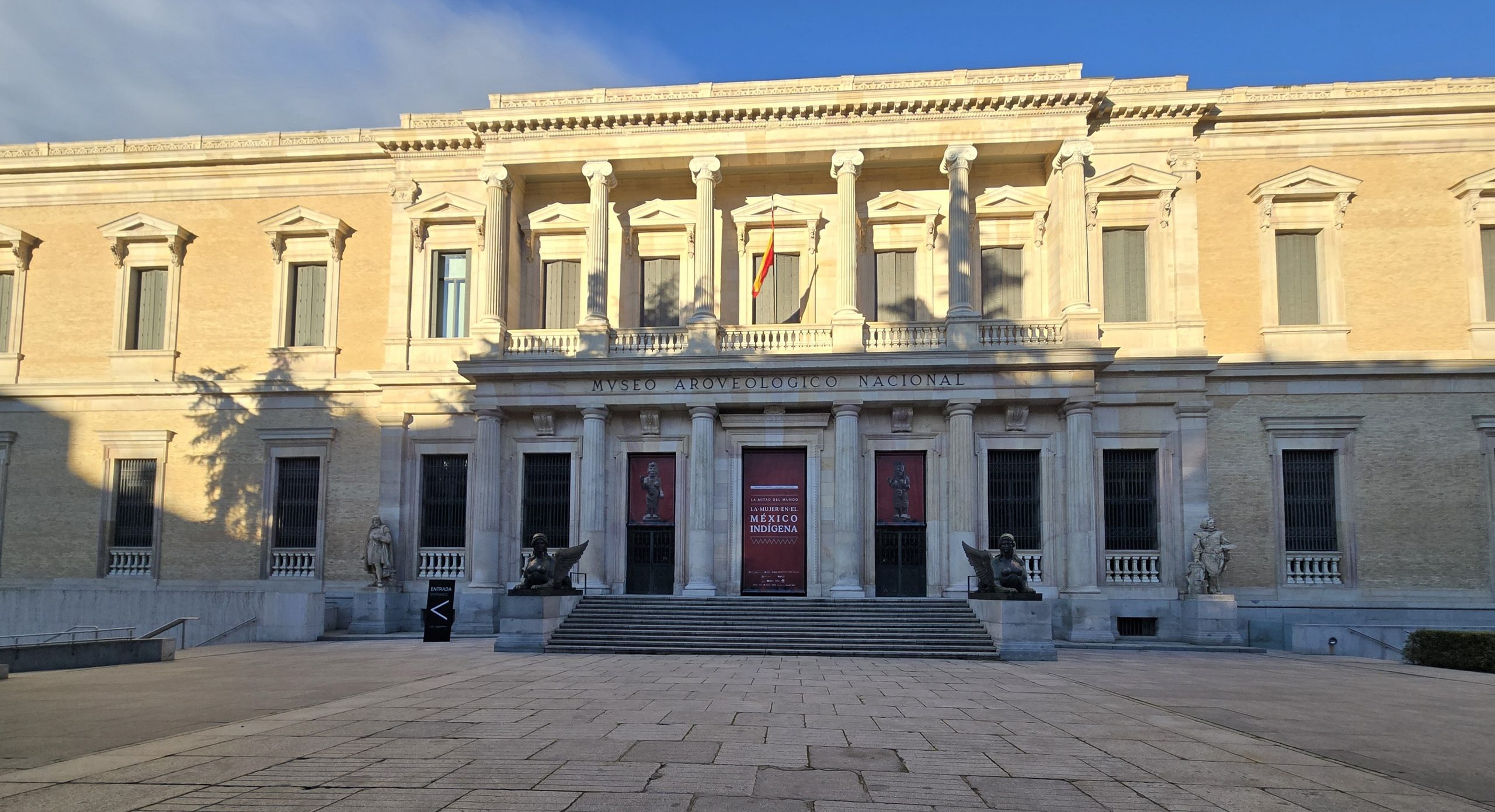
When Isabella II founded the National Archaeological Museum in 1867, she followed the same path monarchs across Europe took: building large museums to house and display their country’s collection of treasures. In this case, the museum’s purpose was to consolidate vast holdings of antiquities into one central location, allowing the country’s rich archaeological heritage to be displayed and stored together. This allowed the items to be properly protected, studied, preserved, and displayed.
Isabella II initially intended to house the collections in the Palace of the National Library and Museums, but while that location was under construction, they were stored in the Casino de la Reina between 1867 and 1893.
Visiting Madrid’s National Archaeological Museum
While planning my trip to Madrid and browsing the list of museums, one word quickly jumped out – archaeology. I once dreamed of being an archaeologist because of my strong passion for ancient history, particularly the civilizations related to Mesopotamia, Egypt, and the Near East, so an archaeology museum naturally piqued my interest.
Travelers interested in channeling their inner Indiana Jones will be fascinated by this museum’s extensive collection of archaeological treasures. Yes, in a city filled with world-class art museums, palaces, and tapas, visiting the National Archaeological Museum may not be considered a priority for many, but it is definitely a worthwhile addition to any itinerary.
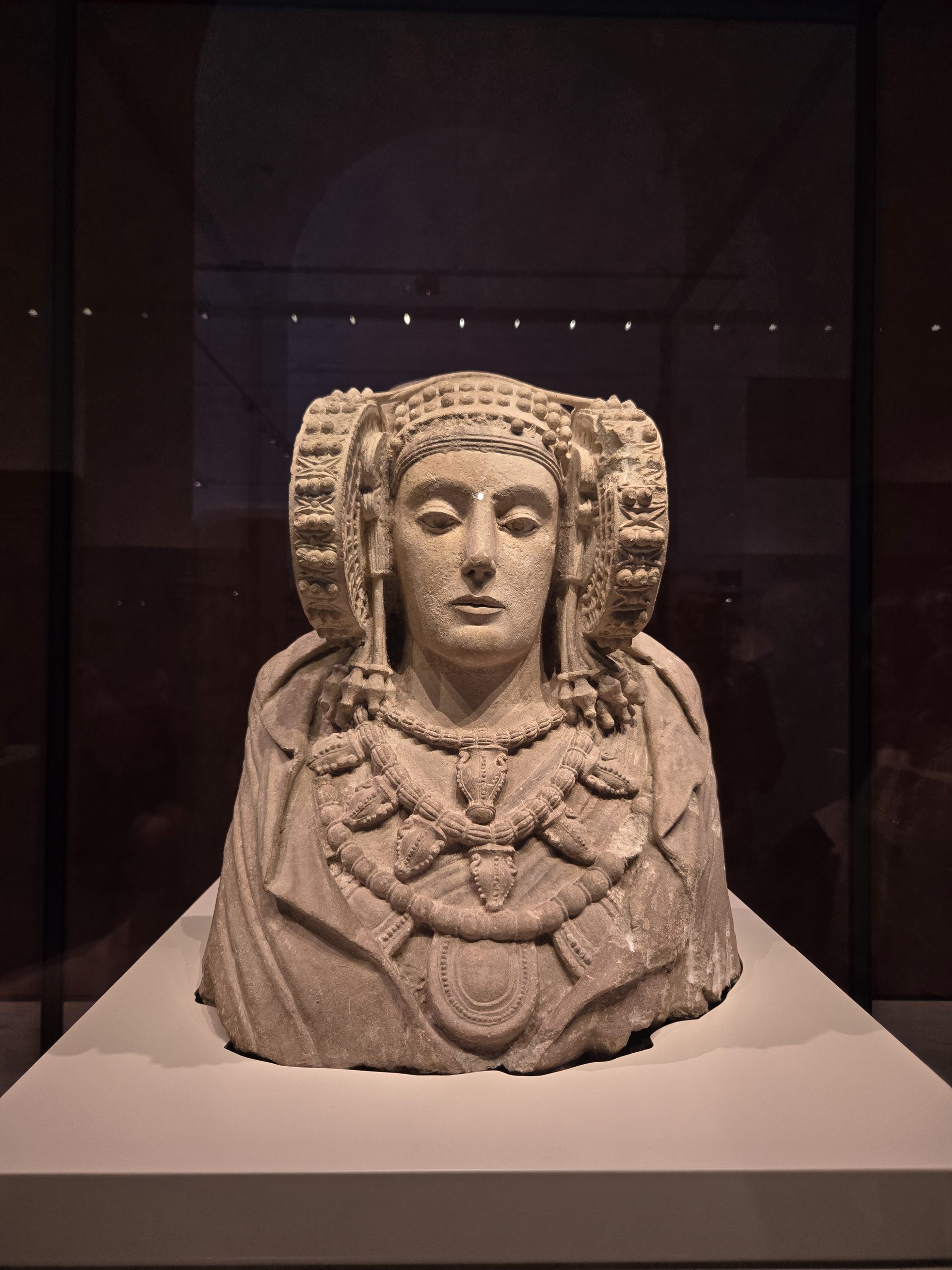
Lady of Elche
This is one of the more important pieces in the National Archaeological Museum and dates back to the 4th century BC. The sculpture is made of limestone, and the level of detail and preservation are amazing given its age.
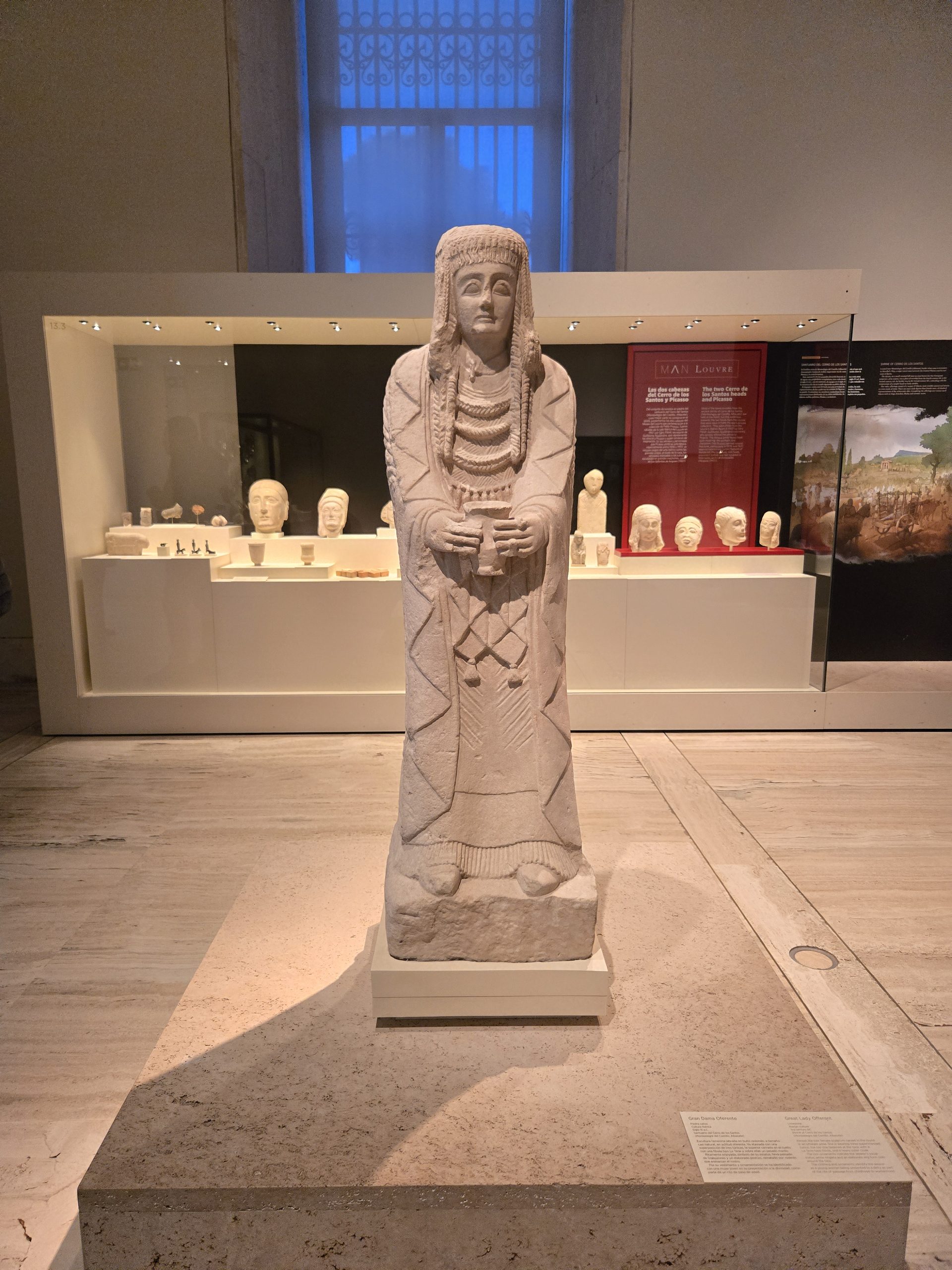
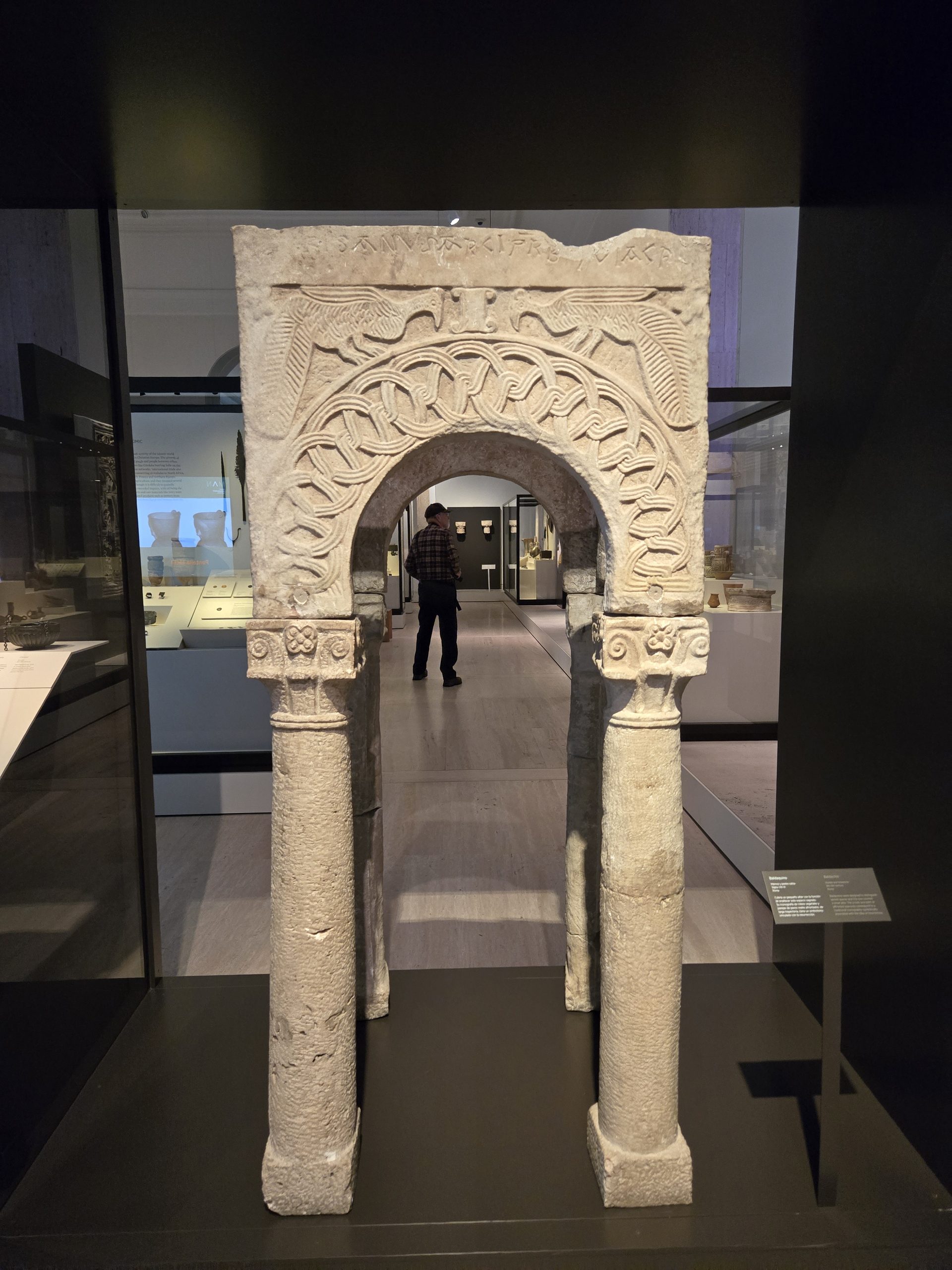
Similar to other museums in Madrid, the National Archaeological Museum is a sizeable institution, with its collections spread across 3.5 floors. You start your journey on the ground floor with the prehistory exhibits, then head to the 1st floor to discover the Ancient Roman and Medieval artifacts, and finally land on the 2nd floor to find more Medieval treasures along with the collections related to Ancient Greece, Egypt, and the Near East. The museum also has half a floor dedicated to numismatics: coins and objects related to money. Despite the number of galleries, each feels different because of the varying types of items on display – from sculptures and ceramics to intricate mosaics, jewelry, and furniture. This adds to its universal appeal as there is truly something for everyone!
As I shared, Madrid has so many amazing museums that it may be challenging to squeeze the National Archaeological Museum into your itinerary, but it is one I highly recommend. Travelers like me with a strong passion for archaeology and ancient history could easily spend hours here admiring each piece and reading the detailed captions.
Interested in just the highlights? If you are short on time, you can see the key pieces throughout the museum in a quick 1.5 to 2-hour stroll, or spend your time in the galleries with the time periods that interest you most. My family had about 2.5 hours to explore the National Archaeological Museum, and during that time, I explored the 3 main floors, but I had to rush through the last floor because I lingered on the 1st floor (the Protohistory exhibits were very interesting!).
Despite the number of floors and items on display, the National Archaeological Museum is not overwhelming when compared to other museums of similar size. First, it is relatively easy to navigate, and many of the galleries are spacious, which makes it feel less crowded. Then, thanks to the variety of types of artifacts, there is less ‘museum fatigue’ (i.e., you are not staring at paintings for hours on end).
Another important reason to consider this museum is its affordability. To my surprise, admission to the National Archaeological Museum was just a few Euros! Tickets for my brother and me were 3 Euros each, and my parents got in for free (price as of December 2025). With so many European museums charging more than 20 Euros for admission, it’s a great feeling to find one that is affordable for most travelers!

The museum offers free admission on certain mornings and afternoons, and on certain days throughout the year.
Unlike El Prado, which tends to sell out, travelers don’t necessarily need to buy tickets to the National Archaeological Museum before their trip. I bought mine beforehand out of habit, but when my family arrived early Saturday on the last weekend of December, I was surprised to find no lines or crowds (Madrid and its other attractions were insanely crowded Christmas week). When I purchased tickets online, I found the ticket portal user-friendly, with no issues during the ordering process.
For those interested in an audio guide, the museum offers two options: one you can rent for a small fee and another you can access for free on your phone via an internet browser and the museum’s Wi-Fi. I chose the 2nd option, and while the information presented was interesting, I soon grew tired of switching between the browser and my phone camera. So I recommend that if you plan on taking a lot of pictures, investing in the actual audio guide may be the wiser decision.

If you plan to use the audio guide on your phone, get the Wi-Fi password at the ticket counter before passing the turnstile and entering the galleries.
The museum offers lockers and a cloakroom for those who need to store coats, large bags, and other items not permitted inside.

This site is fully accessible and offers guests resources such as wheelchairs, folding chairs, and sensory backpacks.
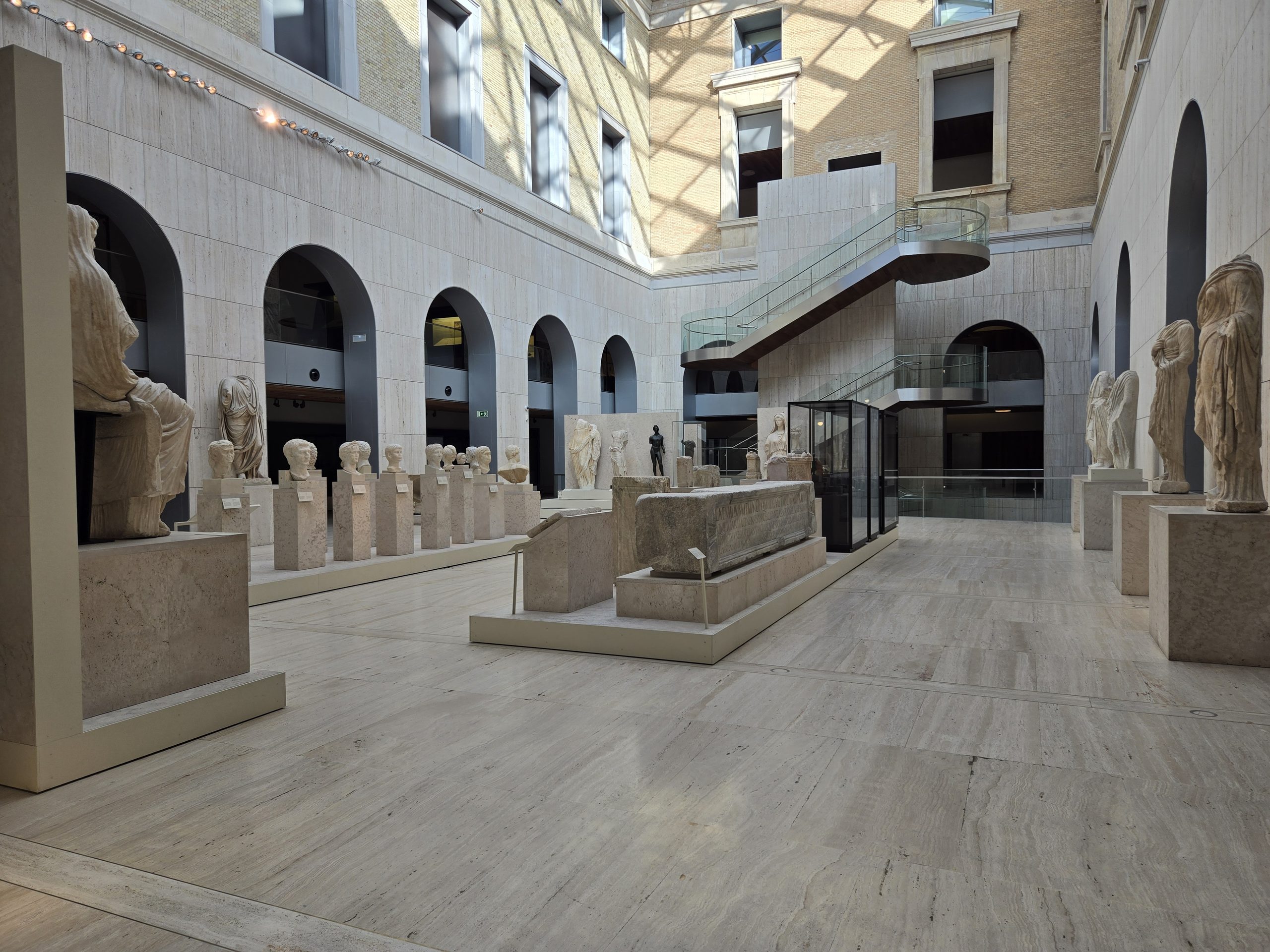
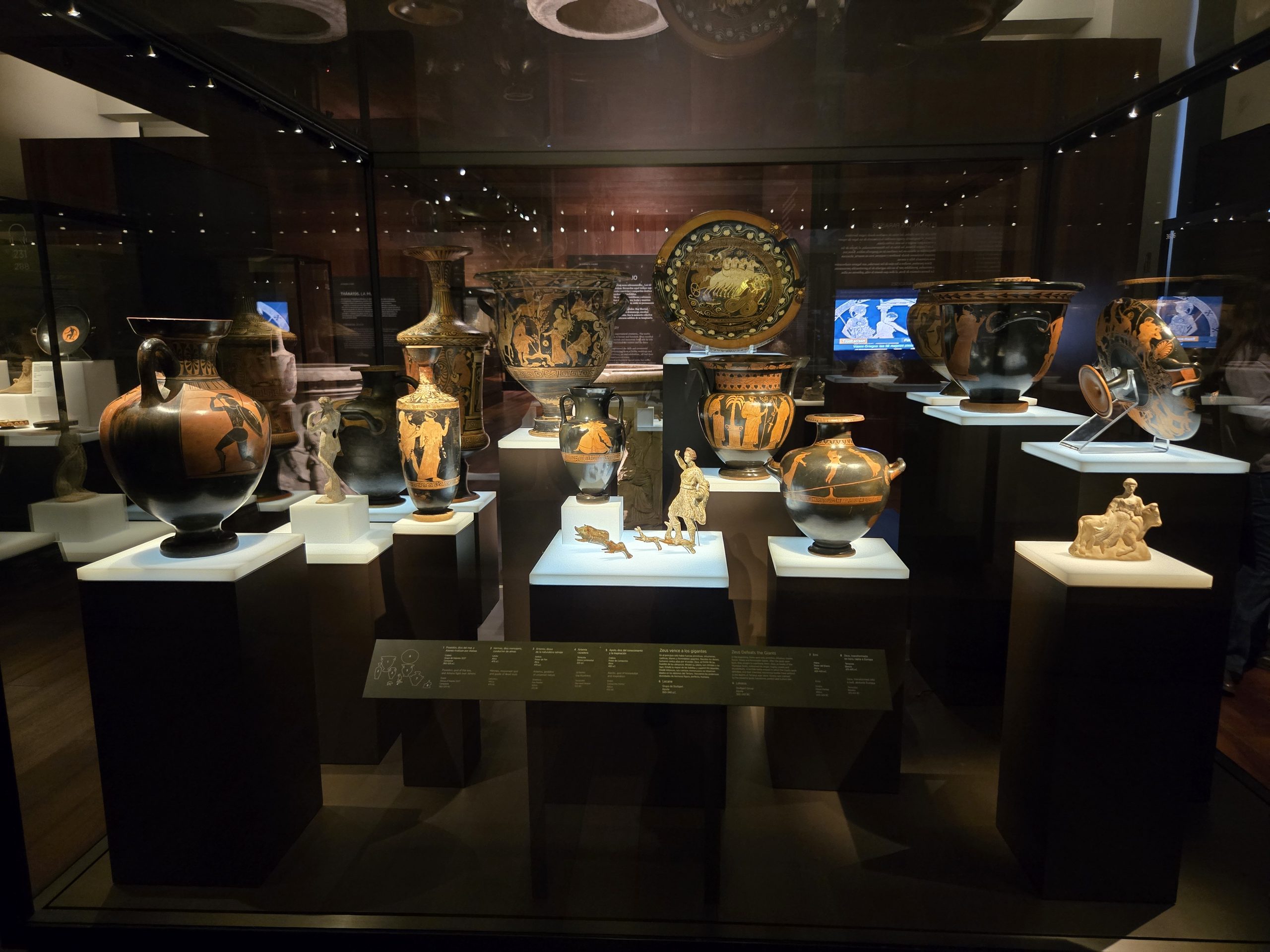
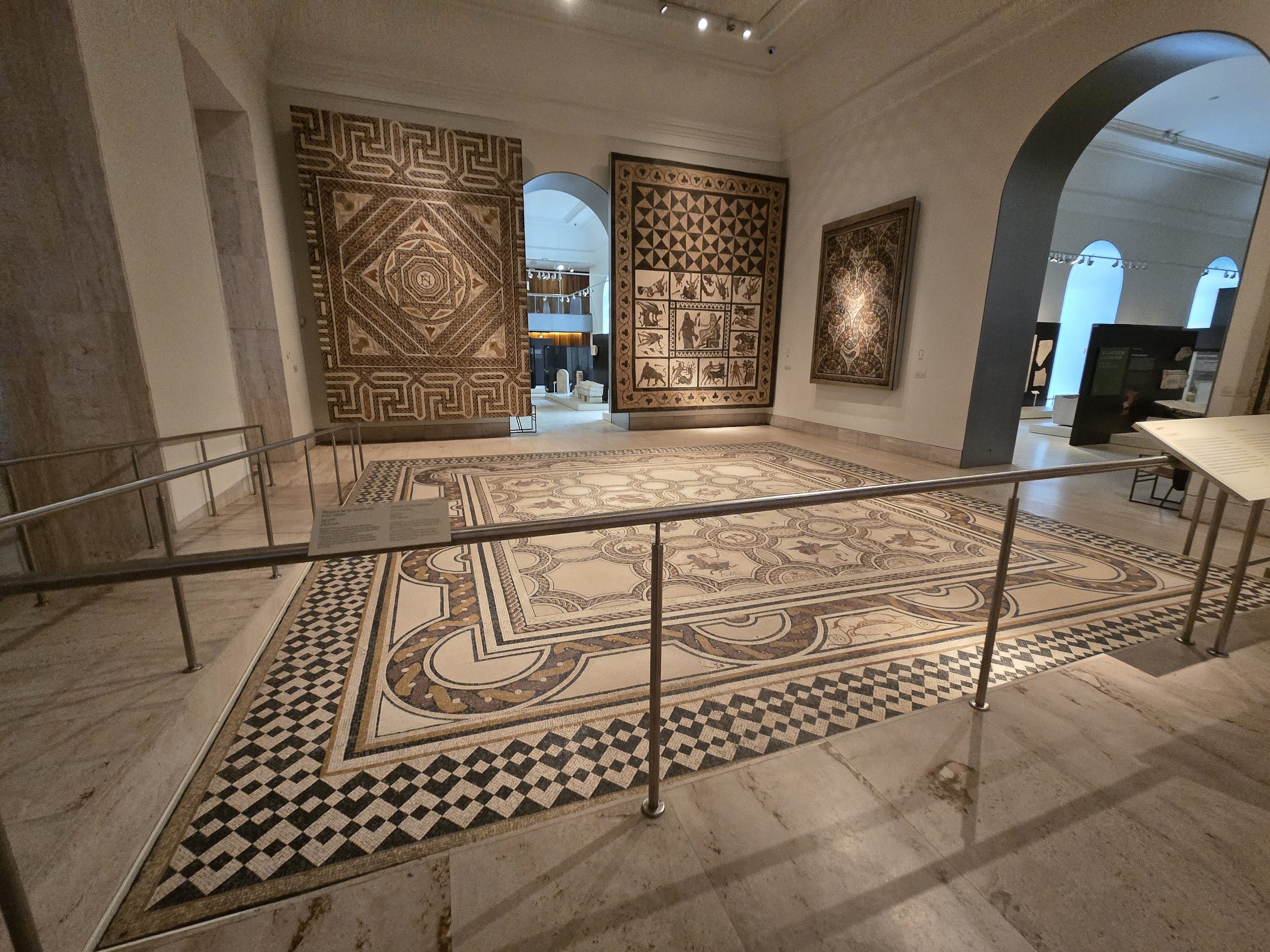
A few highlights from the National Archaeological Museum.
Travel Tips
The National Archaeological Museum is a short walk from Madrid’s famous El Retiro Park and the Puerta de Alcalá and Cibeles Fountain. El Prado is not too far from the National Archaeological Museum, but note that visiting both museums on the same day may be tiring given their size.
Resources
For additional information, visit the official website of the National Archaeological Museum.


Leave a Comment