
Destination guide to Vienna’s Museum of Natural History, featuring its history, fascinating exhibits, visitor information, and practical tips.
History
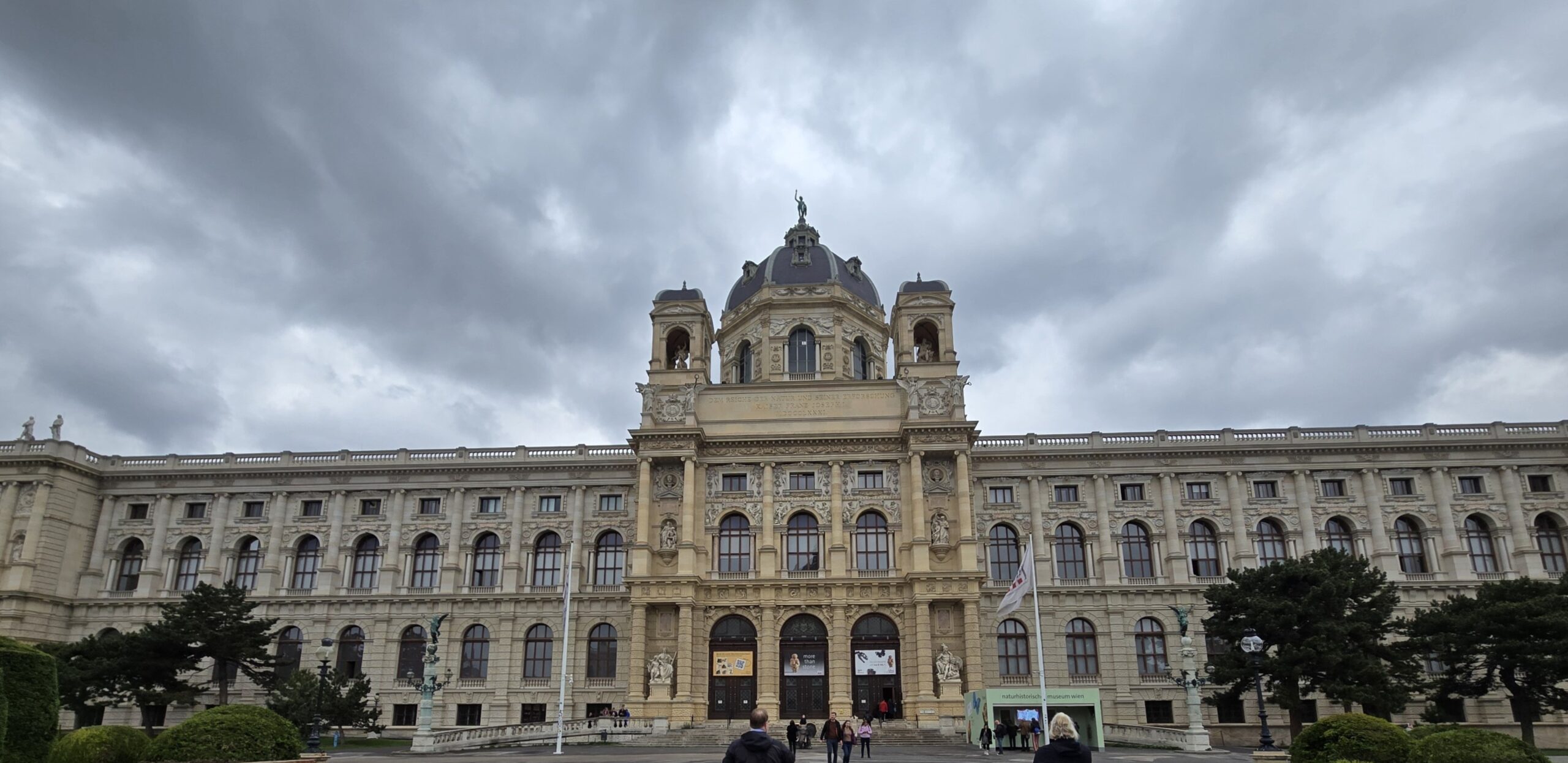
The story of the Museum of Natural History begins over 250 years ago, in 1750, when Emperor Franz I Stephan of Lorraine, Maria Theresa’s husband, made a historic purchase. He bought what was then considered the world’s largest collection of natural history objects from Jean de Baillou, a Florentine scholar and scientist. This collection was special because it included rare fossils and priceless gemstones, and it was categorized according to scientific criteria, which was unique at the time. The emperor also organized a major overseas scientific expedition that would contribute to the expansion of his existing collection. Upon his death, Maria Theresa, who understood the importance of the natural sciences, transferred the emperor’s collection to the state, which in turn made it available to the public.
The Museum of Natural History and the neighboring Kunsthistorisches Museum were commissioned by Emperor Franz Joseph and were initially meant to be part of an Imperial Forum, but that idea never materialized. Both institutions were designed by architects Gottfried Semper and Carl Hasenauer. Construction of the Museum of Natural History commenced in 1871, with work lasting 10 years. The museum officially opened to the public on August 10, 1889.
Visiting Vienna’s Museum of Natural History
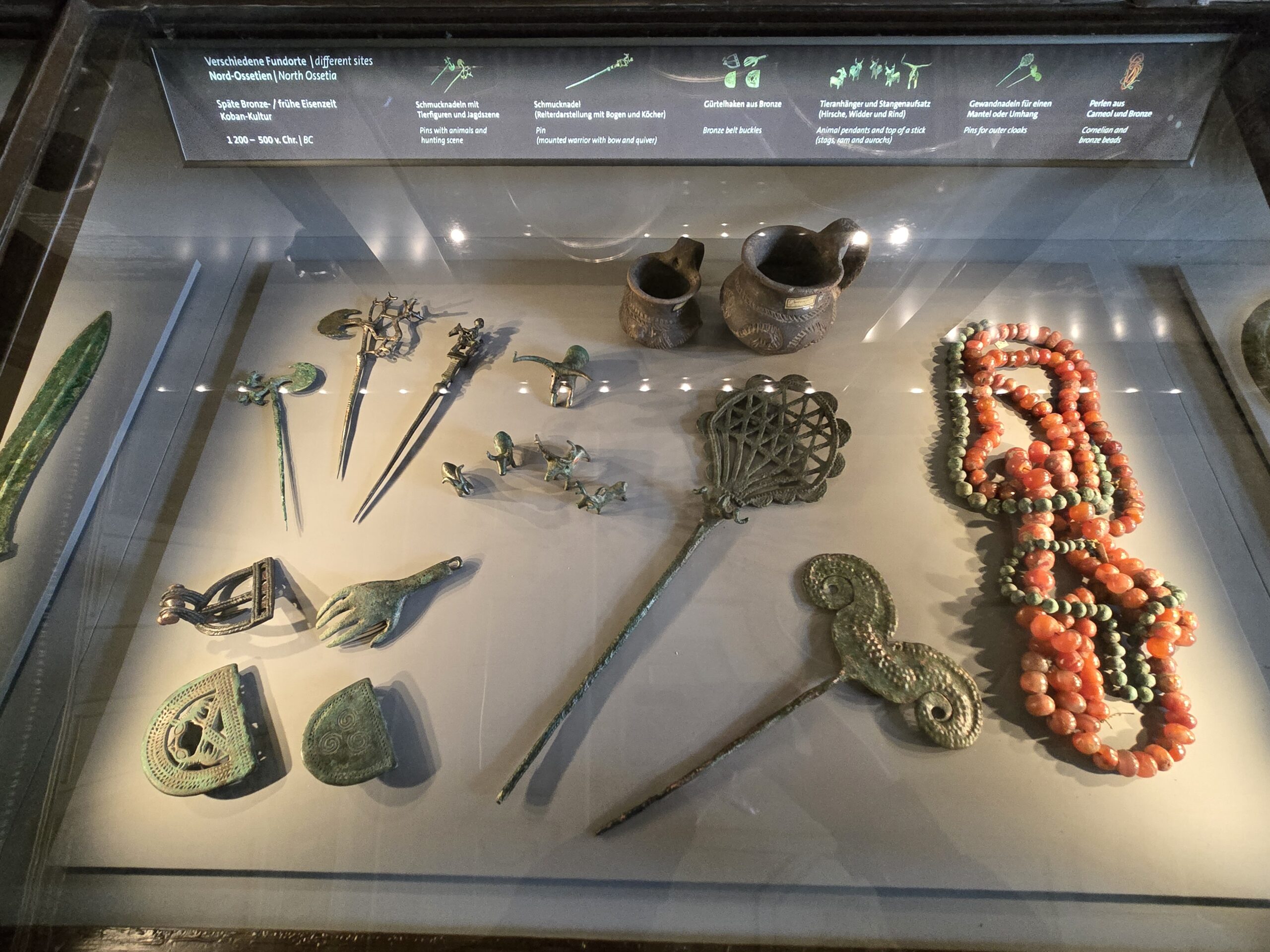
Many visit Vienna to explore the imperial elegance of the Habsburgs and experience cultural treasures like its state opera house. Yet, alongside the palaces and churches, stands an impressive museum few will add to their itinerary – the Museum of Natural History. I added this site to my must-do list to see the Venus of Willendorf, and it turned out to be a great decision. I have visited countless museums around the world, but few have left such a lasting impact. From its outstanding anthropology and prehistory exhibits to the displays on Earth history and dinosaurs, this is one place you don’t want to miss when visiting Vienna.
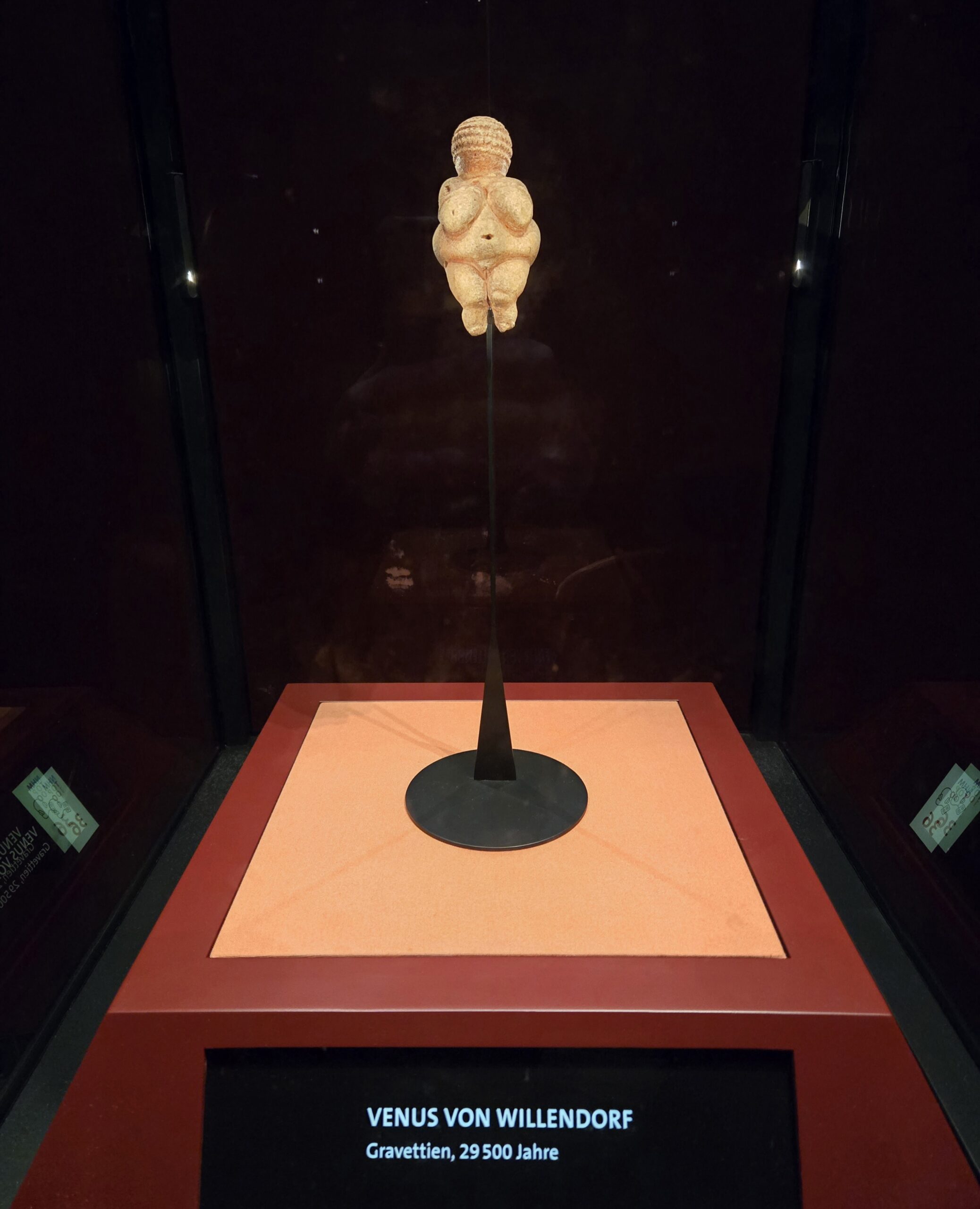
Venus of Willendorf
While in high school, I enrolled in a humanities course where I first learned about the famous Venus of Willendorf. This tiny figurine is an impressive 29,500 years old. It was an incredible experience to stand before something so tiny that has survived the test of time.
The Museum of Natural History sits across the equally impressive Kunsthistorisches Museum and a short walk from other notable sites such as the Imperial Apartments and St. Stephen’s Cathedral. It contains more than 30 galleries spread over two floors: the lower level covers prehistory, anthropology, Earth history, dinosaurs, fossils, and minerals, while the second floor is dedicated to zoological displays.
On my third and final day in Vienna, I headed to the Museum of Natural History, where I quickly learned it was a place one could spend hours. Each gallery housed an incredible number of items, many of which provided detailed captions. How much time you need at the Museum of Natural History depends on your level of interest in prehistory, anthropology, dinosaurs, and animals.
Travelers just wanting to experience the highlights should plan on spending about 1 to 2 hours at the museum. If you are a history and museum enthusiast who enjoys viewing each object and reading each caption, I recommend between 3 and 4 hours. The day I visited this museum, I had a packed itinerary, so I had only about 2 hours to explore its exhibits. During that time, I managed to see about 75% of the 1st-floor exhibits, as I lingered in the galleries focused on prehistory and anthropology because I found the material presented there fascinating. I did not stop by the second floor on this visit.
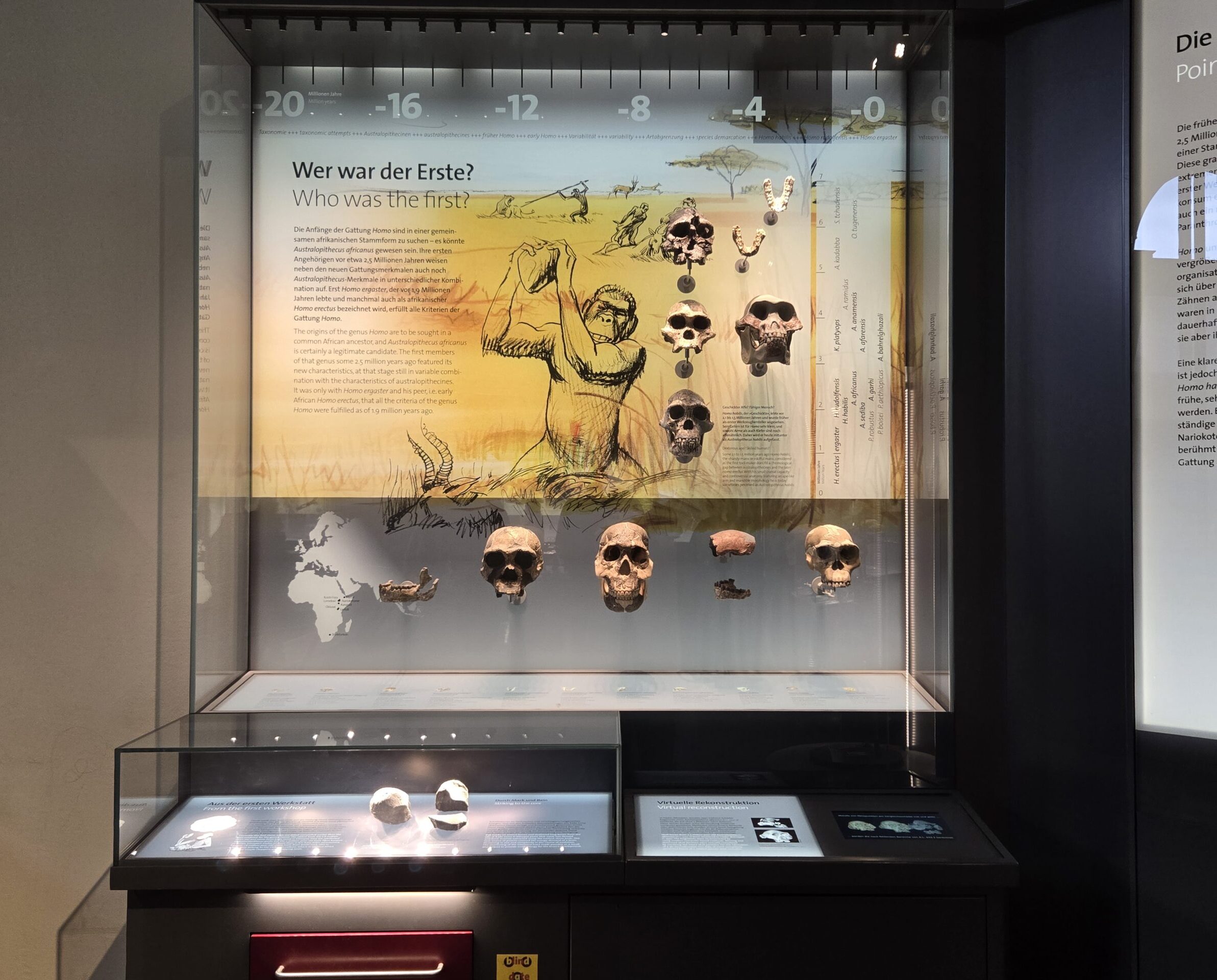
Despite the number of galleries and its sheer size, the Museum of Natural History is relatively easy to navigate. Another positive is that, unlike other museums where guests are ‘forced’ to visit the galleries in a certain order, here you can start at any point. This is especially useful for visitors who have limited time or are only interested in specific exhibits. I started my visit in gallery 11 (the prehistory section), followed by the anthropology exhibits and, finally, the rooms featuring the dinosaur, fossil, and gem collections. As for the crowds, compared to other places I visited in Vienna, there were not that many people, which made for a more peaceful experience.
The Museum of Natural History does not require time-entry tickets, giving travelers the flexibility to purchase tickets in advance via their online ticket portal or in person. I stopped by on a Monday afternoon in May and bought my ticket at the kiosk near the main entrance, where there were no lines. Weekends may attract more people, but based on my research, this is not an attraction for which purchasing tickets in advance is strongly recommended.

The museum offers lockers and a cloakroom for those who need to store coats, large bags, and other items not permitted inside.

This site is fully accessible, and a limited number of wheelchairs are available to borrow at no charge.
Dinosaur exhibits tend to bring out the kid in me, and here at the Museum of Natural History, guests are treated to a giant animatronic that comes to life. The best part is when unsuspecting guests are standing near the dinosaur, and then suddenly it starts moving and roaring at them!
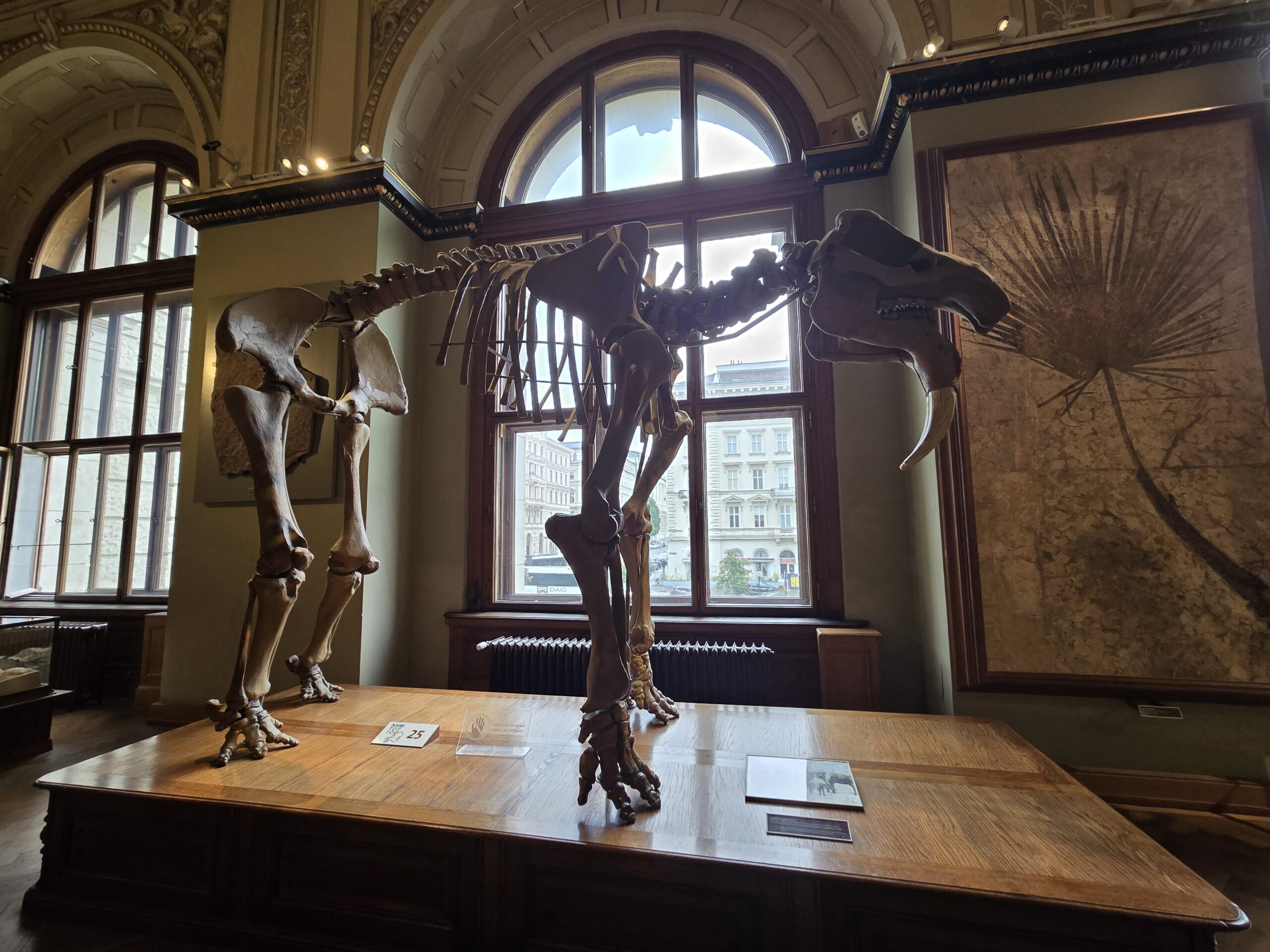
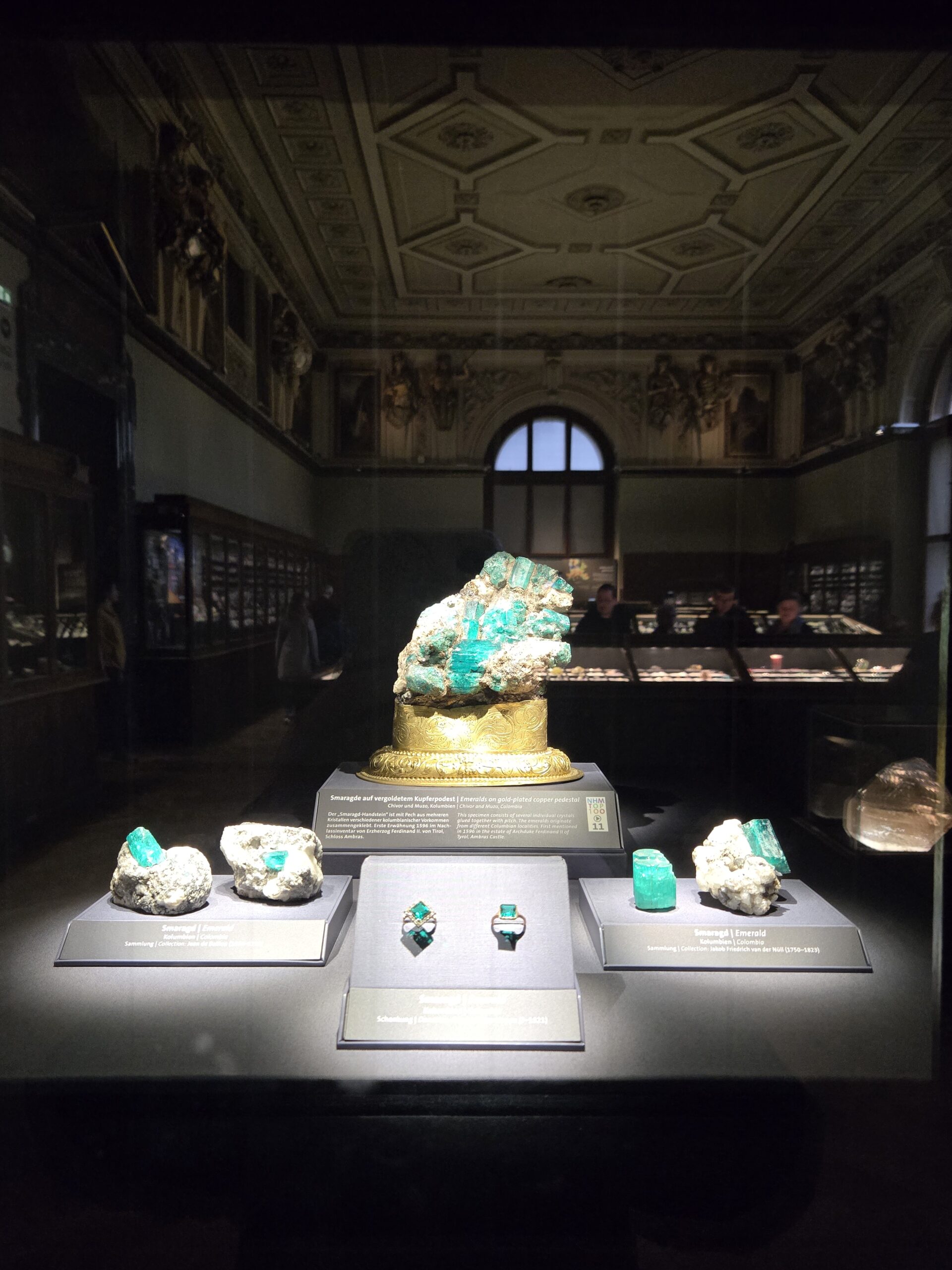
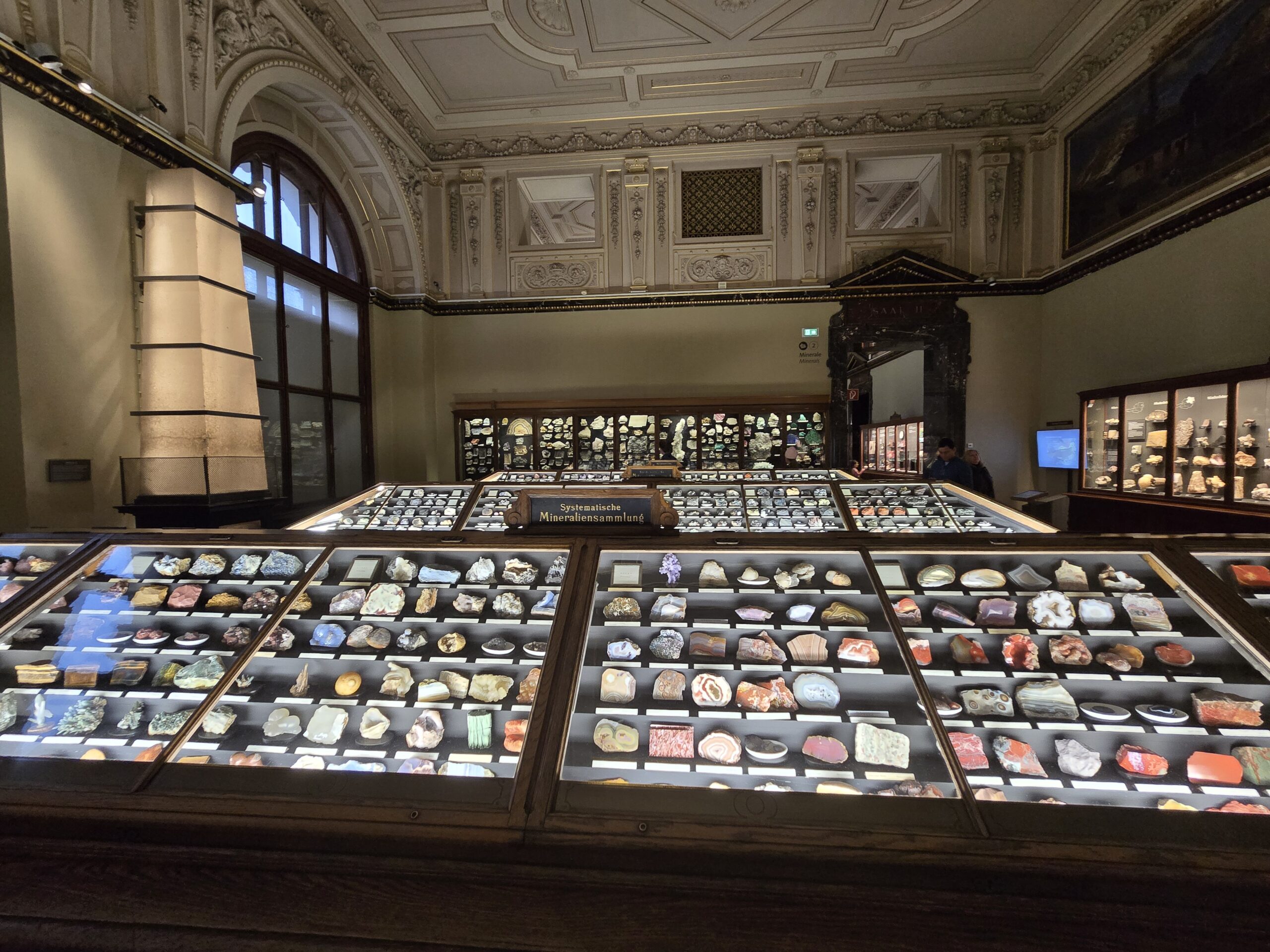
A few highlights from the Museum of Natural History.
Travel Tips
The Museum of Natural History is located across from the Kunsthistorisches Museum, but I recommend not visiting both on the same day. These are large institutions, and trying to explore both on the same day could lead to ‘museum fatigue’. It’s best to pair a stop at the Museum of Natural History with a lighter activity, such as a visit to the Imperial Treasury or a tour of the Vienna State Opera House.
Resources
For additional information, visit the official website of the Museum of Natural History.


Leave a Comment