
A destination guide on how to plan a Madrid itinerary that fits your travel style, plus information on taking a day trip to Toledo.
Madrid is a vibrant, lively city that is meant to be experienced, not just seen. With several world-class museums alongside cultural treasures like the Teatro Real and local tablaos, Madrid is an excellent destination where travelers can create memories that last a lifetime.
Located in the heart of Spain, Madrid is the perfect place to spend a few days or to stop for a day on your way to explore nearby towns like Segovia and Ávila. But as with any major European city, creating an itinerary that fits your interests can be a challenge. This guide helps make your trip planning less stressful with an interactive map, practical tips and time estimates, plus information on putting together a day trip to Toledo.
Madrid Interactive Planning Map
Fellow adventurers, here is a map you can use to plan your trip to Madrid. I created this map while planning my own visit and added the restaurants I tried afterward.
Check out this travel guide to learn how to create your own My Maps for your next trip.

Click each icon to view more information, including address, phone number, and website, for each site. You can also select the option to view the site in Google Maps.
| Green ~ Hotels | Brown ~ Theater | Orange ~ Restaurants |
| Yellow ~ Cathedral | Navy Blue ~ Museums | Purple ~ Palace |
| Red ~ Photo Stops |
Planning a Madrid Itinerary That Fits Your Interests

Unlike other European cities like Munich and Vienna, Madrid’s major attractions aren’t concentrated in one compact sightseeing area. In Munich, the Marienplatz, several historic churches, and the Residence (a royal palace) are all within a short walk. The same is true for Vienna, with centrally located sites such as the Hofburg Palace, the Albertina Museum, and St. Stephen’s Cathedral all a short stroll from each other. In Madrid, must-see sites like El Prado and the Royal Palace are approximately a 30-minute walk apart, so drafting an itinerary, especially for a one-day trip, requires some careful planning.
How many days do I need to explore Madrid? It depends on how much you want to get out of your visit. If you want just an overview of the city, a day should provide enough time to visit one of the three major art museums, tour the Royal Palace, and stroll through Puerta del Sol. Now, to truly experience Madrid – the history, the people, the culture – I say at least three days, which is what I generally recommend for similar large cities like Munich, Vienna, and Budapest.
Be mindful that during peak season, such as summertime and the holidays, Madrid can get very crowded, which affects how much time you’ll need to explore the various sites.
My journey to Madrid was a weeklong Christmas trip with my parents and brother. The trip was wonderful, and it also taught me a great travel lesson: Christmas week travel is more about the experience than sightseeing. Many sights had limited hours, longer lines, and larger crowds. With careful planning, we managed to visit three museums, the Almudena Cathedral, and the Royal Palace, but couldn’t see more because of early and full-day closures on December 24th and 25th.

One important thing to consider when planning your itinerary is finding centrally located accommodation near public transit stops and stations, with easy access to taxis and rideshare. This is especially important for shorter stays, so you can spend more time seeing and experiencing the city rather than commuting. My family stayed at Hotel Europa near Puerta del Sol, which is a short walk from several key attractions and about a block or two from where you can hail cabs (Puerta del Sol is a pedestrian-only area).
For short stays in Madrid, lodging near Puerta del Sol is ideal. Not only does its central location make sites more accessible, but it also has a subway station.
One Day in Madrid: No visit to Madrid is complete without visiting at least one of the city’s three significant art museums and touring the Royal Palace. After you’ve explored those two, spend the rest of your time focusing on experiences, such as strolling through Puerta del Sol and Plaza Mayor, attending a show at the opera house or a tablao, or, for the sports fan, catching a fútbol match at the Bernabéu Stadium.
Rick Steves’ Europe offers a free app with walking tours of major European cities. The Madrid walking tour is about 60 minutes and guides you through the city center while sharing history and notable facts.
Multiple-Day Itineraries: Travelers spending several days in Madrid have the chance to visit more world-class museums, explore the beautiful Almudena Cathedral and its crypt, join a food tour, walk through the famous Retiro Park, and enjoy more cultural experiences. A longer stay also gives you the chance to catch a train and explore nearby places like the beautiful city of Toledo.
In the section below, I provide more details on Madrid’s various attractions and experiences, along with suggested times for each.
Places and Experiences in Madrid
For reference, I’ve linked my Destination Guides throughout this section so you can explore each site in more detail if it fits your itinerary.
Museums
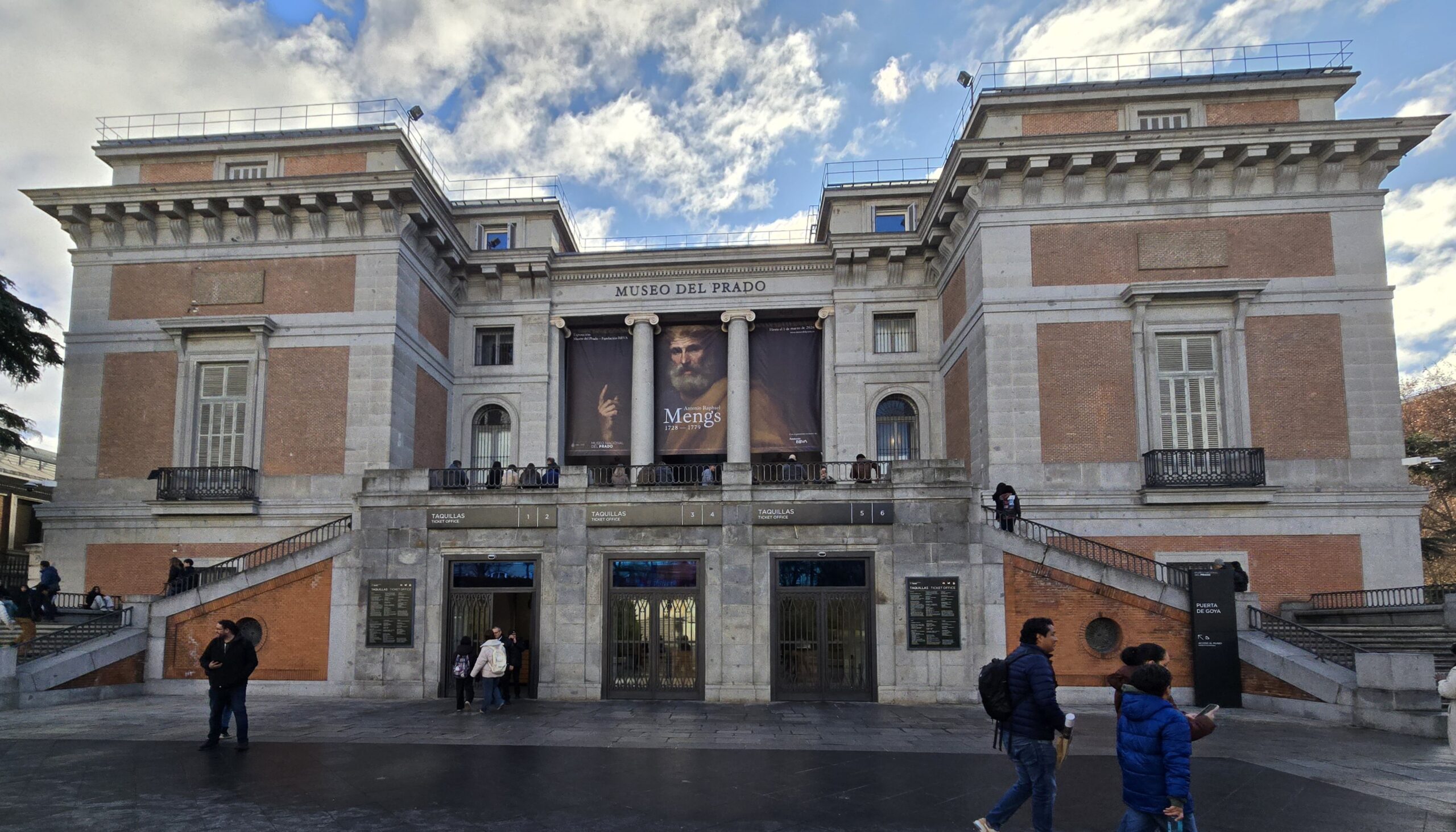
Madrid has numerous museums, but the standouts are those located in the Golden Triangle of Art: El Prado, Museo Nacional Centro de Arte Reina Sofía, and Museo Thyssen-Bornemisza. These large museums house some of Europe’s most impressive collections, and each can easily take hours to fully explore. If you have limited time, plan at least 60 to 90 minutes to see the highlights.
Another museum that is just as wonderful, and just a 15-minute walk from El Prado, is Madrid’s National Archaeological Museum. This treasure of an institution is a worthwhile addition to any Madrid itinerary, and viewing the highlights takes at least 90 minutes. While I enjoyed El Prado, this museum was a bigger standout for me because of some of the unique pieces on display!
Travelers spending a few days in Madrid should consider stopping by the Gallery of the Royal Collections after visiting the Royal Palace (the museum sits across from the palace). This interesting museum features artwork, tapestries, manuscripts, relics, and a section of the city’s original 9th-century Arab wall.

When planning your trip, keep in mind that many museums are closed or have limited hours on Mondays, while others close on Tuesdays.
Royal Palace
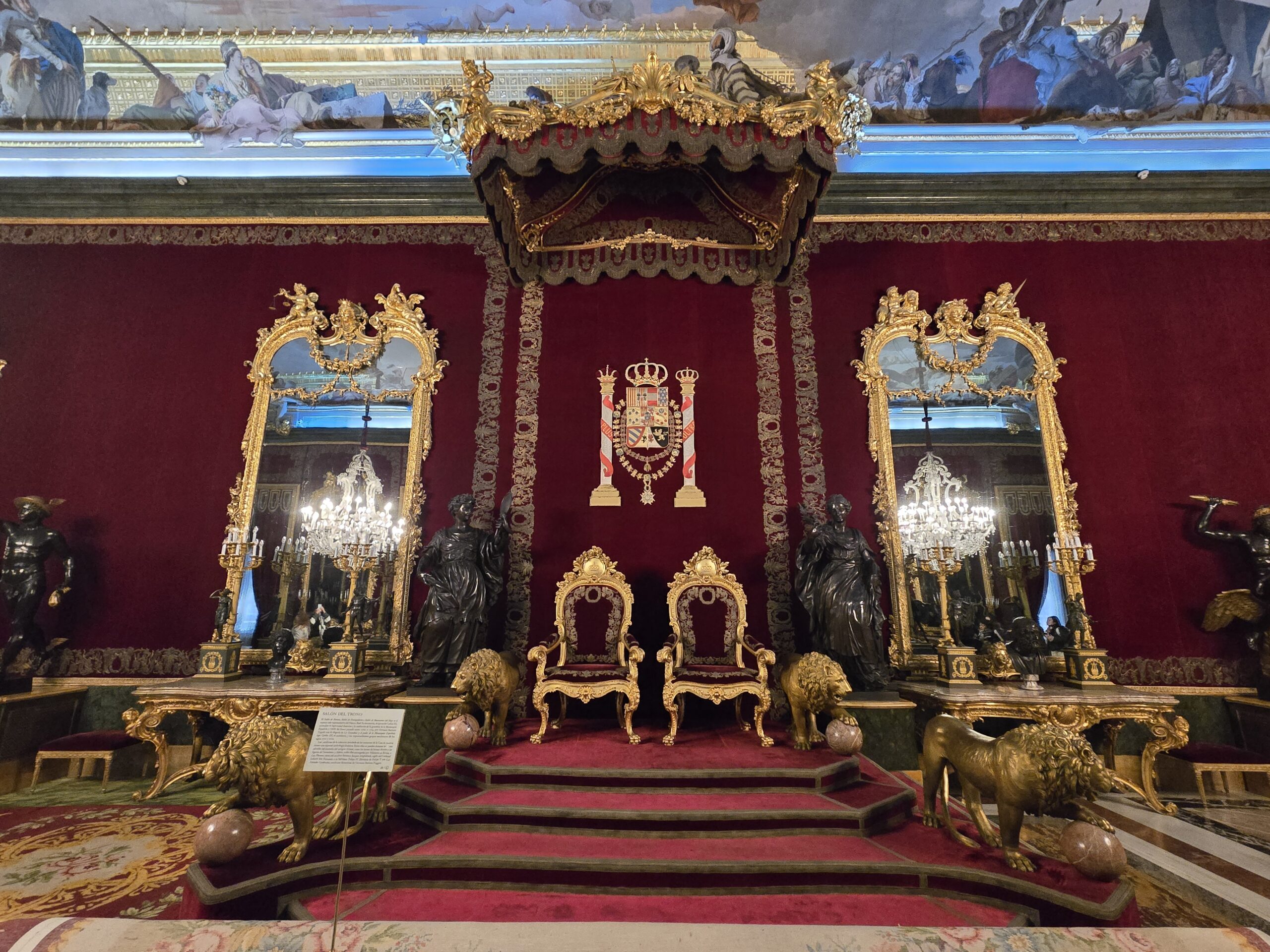
Unlike the royal palaces of Munich and Vienna, which can take hours to explore, Madrid’s Royal Palace only requires an hour or two, making it easy to add to one-day itineraries. Since the palace functions as an official residence and venue for events, only a select number of rooms are open to the public, hence how little time is required to see it. Those with more time in Madrid can visit other areas of the complex, such as the Campo del Moro Gardens and the Royal Kitchens.
Churches
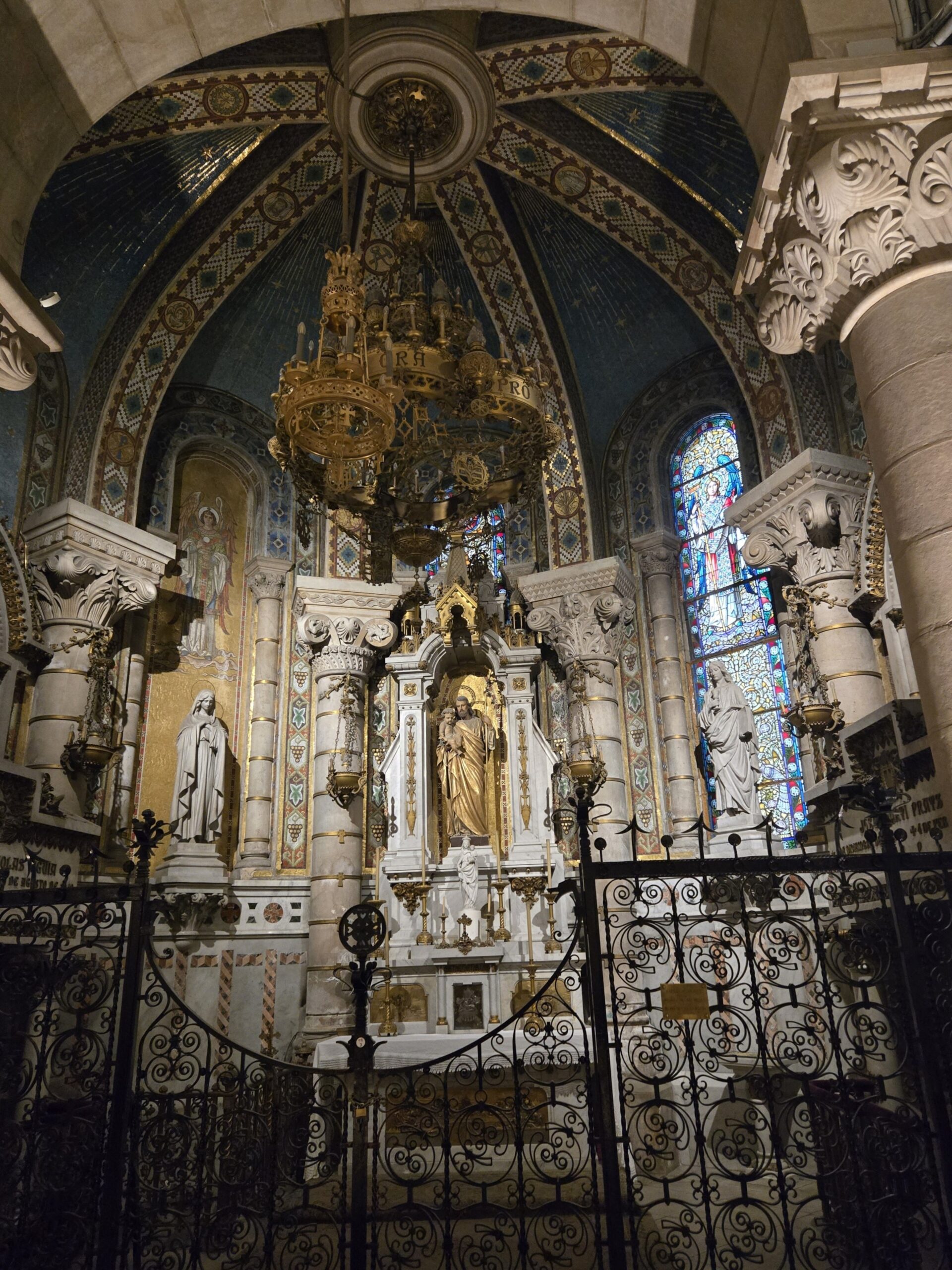
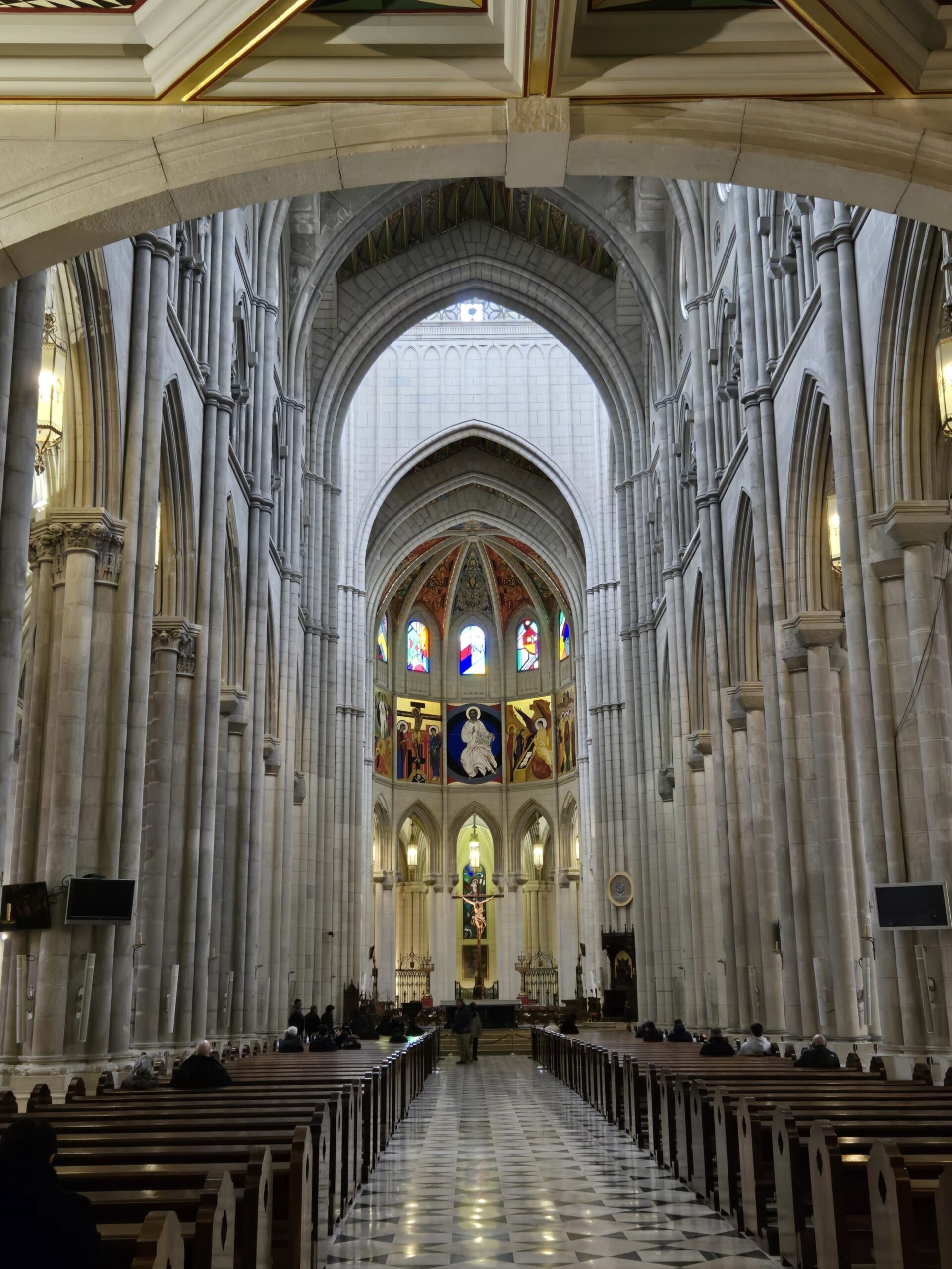
European cities and churches tend to go hand in hand, and Madrid is no exception. The largest church, and the one most travelers visit, is Almudena Cathedral. Located across from the Royal Palace, those on a day trip to Madrid can easily make a quick stop to see the church and its crypt. Almudena Cathedral also has a museum and a dome with public access for travelers with more time who want a more in-depth experience.
In my honest opinion, if you’re short on time, I would prioritize visiting the crypt over the church. The crypt was a highlight of my Madrid trip and one of the most beautiful sacred places I have seen, even compared to the magnificent churches of Vienna, Budapest, and Munich.
Experiences

Madrid offers many wonderful cultural experiences, from people-watching at Puerta del Sol to attending a performance at the Teatro Real, and special opportunities during major holidays like Easter and Christmas. On my trip, I enjoyed Madrid’s festive side by visiting the Christmas Market in Plaza Mayor and taking a bus tour to see the Christmas lights and decorations. While the holidays bring large crowds and really chilly weather, seeing Madrid twinkle under thousands of colorful Christmas lights was definitely memorable.
For those who enjoy the classical arts, an evening at Teatro Real can be a special experience. My mom and I attended a performance of Carmen, and it was amazing. If you’re unable to attend a performance but are interested in theatre, the Teatro Real offers tours covering its history, exhibits, and interiors.
Travelers looking to sample Spanish cuisine can stop at one of Madrid’s markets, such as Mercado de San Miguel, Mercado de Antón Martín, or Mercado de Vallehermoso. During my trip, I only had time to visit the Mercado de San Miguel, since it was on my walk back to the hotel from the Royal Palace. While it was fun to walk through its stalls and buy a few sweet treats, travelers should note that this site is more touristy than the other markets I listed.
Another cultural opportunity is to attend a flamenco performance at a tablao. I didn’t have time on this trip to enjoy one, but my family, who were staying an extra day, did attend one and had a lovely time. There are plenty of tablaos in Madrid, so with a bit of research you can find one that fits both your schedule and budget.
Day Trips from Madrid – Exploring Toledo

Between its location and access to a high-speed train network, Madrid is a great starting point for venturing beyond the city and exploring the surrounding region’s historic towns and cities. One of the more popular day trips from Madrid is Toledo, about 30 minutes away by train or an hour by bus, taxi, or car. Travelers also have the option of participating in a tour.
When planning the trip to Toledo, my parents decided it would be best to join a tour to minimize logistical hassles, especially during a busy holiday week. I am going to share my experience, both the positives and negatives, of participating in a tour versus traveling on your own to Toledo.
Our tour was with BigBus Madrid, and it was called “Toledo Complete”. It was a 9-hour tour that included transportation, a stop at an artisanal Damascene workshop, a 60-minute guided walking tour, a visit to Toledo Cathedral, and admission to 7 other sites.
- Positives: The biggest positive was not needing to worry about transportation. While public transportation in Madrid is, for the most part, easy to figure out and reliable, it is nice not to have to worry about train schedules or parking if driving to Toledo. Another plus was traveling with a guide who could share the city’s rich history and the included admission to other sites, so you could skip entry lines.
- Negatives: The biggest drawback of many tours is the limited time for independent exploration after the included guided activities. On our tour, after the workshop, walking tour, and guided tour of the cathedral, we had maybe two to three hours of actual free time. To our surprise, Toledo had a lovely Christmas market near the cathedral, so we spent some of our free time there instead of at the included sites.
If possible, I definitely recommend visiting Toledo independently, leaving Madrid early so you have more control over your schedule. Not having to worry about transportation is great, but Toledo is too amazing a place to be rushed!
When visiting Toledo, don’t forget to stop by the Church of Santo Tomé, which features one of El Greco’s most notable works, The Burial of the Count of Orgaz.
Additional Resource
For a list of things you can see and experience in Madrid, check out Madrid’s official tourism website.





Leave a Comment