
A special guide that will help you explore museums with less stress using practical tips on tickets, navigation, accessibility, museum fatigue, amenities, rules, and choosing what to see.

If you have browsed my Destination Guides pages, one thing soon becomes apparent: Erika loves museums and historical sites. Whether it is a world-class institution like El Prado in Madrid or a hidden cultural gem like the Historical Society of South Carolina in Charleston, museums and historical sites always make it into my itineraries for both domestic and international trips. And I am sure many of my fellow travelers face the same dilemma I do: which museums do I choose, and how do I best plan my visit?
That question inspired this guide. Having visited hundreds of museums across the world, I’ve become all too familiar with the factors that enhance your experience and those that have you running for the nearest exit. Here, I share thoughts and lessons learned on how to select a museum, prepare for your upcoming visit, and make the most of your time.
Guide to Visiting Museums
Museums are a great addition to any itinerary and give travelers the chance to see magnificent paintings, fascinating artifacts, and interesting natural wonders. The following tips cover what to consider before and during your visit, from selecting museums and purchasing tickets to navigating galleries and avoiding museum fatigue.
Planning Your Visit
Deciding: To Visit or Not To Visit?
When building an itinerary, this is the most challenging aspect for those who love to explore museums. Some destinations have an incredible number of museums, and narrowing the list down to a few when you may only be visiting for a few days can be difficult.
How do you narrow it down?
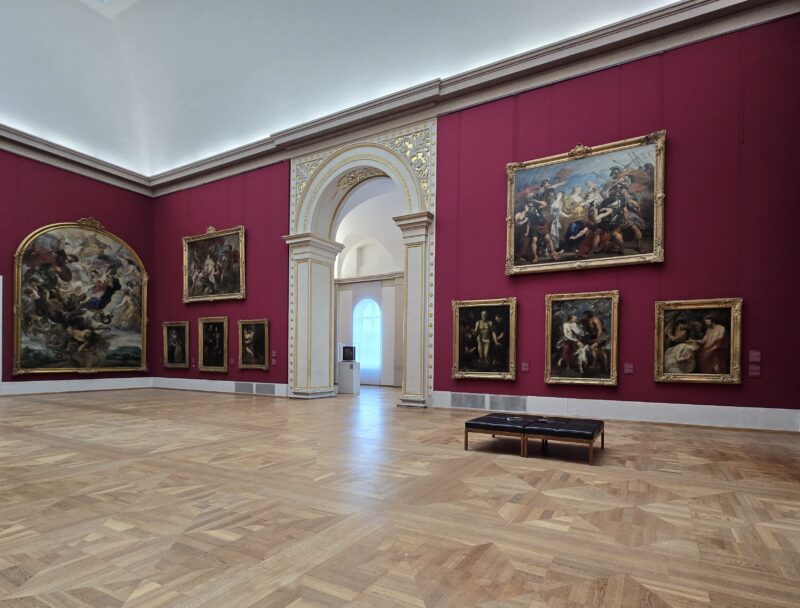
Interest: For me, I first narrow the list by type, with art and history museums always getting top priority, especially those that feature my favorite time periods and styles. There’s no need to spend your time going to a place that focuses on Picasso when you have a passion for Rubens, just because it’s an ‘art’ museum. I recommend reviewing the museum’s exhibit guides on its website to get a sense of the permanent exhibits on display and any current and upcoming temporary exhibits. Also, don’t force yourself to go to a museum just because it’s popular or ranked among the world’s best. Stay true to what you’ll really enjoy!
Focus: The second factor is whether I want to see only the highlights or explore the whole museum. If a museum really catches my attention, I’ll allocate half a day or more in my itinerary, and then remove one from lower down the list. If a destination has several museums that are interesting but I find none worth spending more than two or three hours at, I’ll create a “museum day” on the itinerary and stop at two or three just for the highlights. That’s sometimes the right balance when traveling: a top must-see gets half a day, while the others are a quick stroll to see key pieces.
Location: The final factor is location. When traveling, I try to focus on sites and experiences that are no more than 20 to 25 minutes from my hotel. In Denver, there was one museum that caught my attention because of a special exhibit, so I added it to my itinerary. Google Maps said 20 minutes, but Denver traffic had other plans. It took almost 30 minutes to get to the museum, and the return trip was roughly 45 minutes. With limited time at a destination, those 75 minutes could have been better used exploring places closer to the hotel.
Research & Reviews
Museum reviews can at times be misleading because the museum experience is highly subjective. For example, someone may rate a museum 3 stars out of 5 because they prefer modern art and the museum featured mostly Baroque and Renaissance paintings. Or a guest may rate a history museum 2 stars since they have no interest in the subject.
So how do I accurately decipher museum ratings? I recommend searching reviews for these keywords and phrases.
Tickets/Purchasing Tickets: Buying tickets is usually your first interaction with a museum, and first impressions matter. Is it easy to purchase tickets online? Is the process straightforward or is the online ticket portal confusing? For those who want to buy tickets in person, is it easy to find the reception desk, and are lines manageable?
Navigation: Look for patterns – are most reviews praising the museum for being easy to navigate and move through the exhibits, or are there reviews noting frustration that it’s difficult to figure out where to go next?
Captions: This keyword matters more for people who want to learn and understand the displays than for those who just want to stroll through the building and see the highlights. Does the museum provide captions, or is information lacking? Are captions concise and easy to read, or are they lengthy and difficult to follow?
Audience: When visiting with children, especially those younger in age, check reviews to see whether visiting with your family will be an enjoyable experience. Yes, a museum’s website may note that it offers special activities and audio guides for children, but reviews can provide more insight into their quality and whether they actually kept younger visitors entertained.
Other keywords and phrases I recommend researching are crowds/crowd levels, accessibility, guided tours, discounts, and noise/noise levels.
Admission & Tickets
When planning your visit to any museum, tickets and admission are the two factors that can have the greatest impact and should not be overlooked.
Admission: One of the first things to consider is the museum’s operating hours, holiday schedule, and the last admission time. For example, a museum may close at 5:00 PM, but will stop accepting visitors at 3:00 PM. Another point to consider is that some museums, particularly privately owned ones, have limited public hours or can only be visited by appointment. I have noticed that many museums offer extended hours mid-week, and during those extended hours, admission is sometimes reduced or free. Definitely look into that option if your itinerary is flexible.
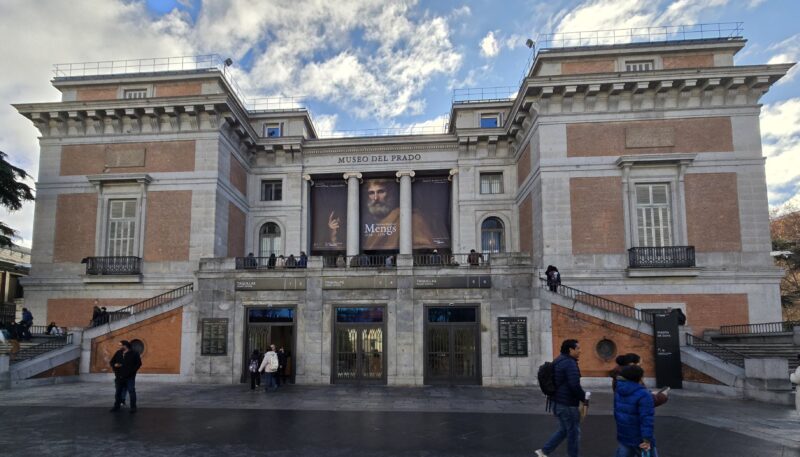
Tickets: With the increase in tourism, particularly in Europe, buying tickets beforehand is highly recommended not only to secure entry but also to avoid long lines. Some of the more popular museums, such as El Prado (Madrid) and the Louvre (Paris), may require a timed-entry ticket, especially in the peak season. On my recent trips to Europe, which were either at the start of summer or during Christmas week, I bought tickets for the museums on my must-see list in advance. If plans change, I would rather lose 20 euros than miss out on seeing a great museum!
Another important part of buying tickets is knowing what type you need, which can be confusing. Some museums have both permanent and special exhibits, with one ticket type giving access only to the permanent galleries and another giving access to both. Then, there are museums that include extras in the ticket price, like an audio guide or guided tour, while others charge an additional fee. If you’re unsure of what type of ticket you need or what it includes, reach out to the museum directly.

Some museums don’t accept tickets purchased through 3rd-party vendors, so always read the ticket policies. When possible, buy directly through the museum’s online ticket portal.

If you buy tickets ahead of time, consider using a credit card that doesn’t charge foreign transaction fees for international purchases.
Bags & Security
Before visiting a museum, it is important to review the security policies, which list bag size limits and prohibited items. Some museums provide lockers and cloakrooms for oversized bags, coats, umbrellas, food and drink, and other disallowed items, but availability isn’t guaranteed because they can fill up during peak times. If possible, leave larger bags and prohibited items behind at the hotel. Also, though it’s not common, there are museums that use airport-style security, with visitors passing through metal detectors and bags being scanned. To reduce the hassle, I purchased a smaller daybag and now mainly use museum lockers or cloakrooms if I have an umbrella or coat.
At the museums I have visited in Europe, most lockers require a deposit of 1 to 2 Euros, which you get back when you retrieve your items.
Accessibility
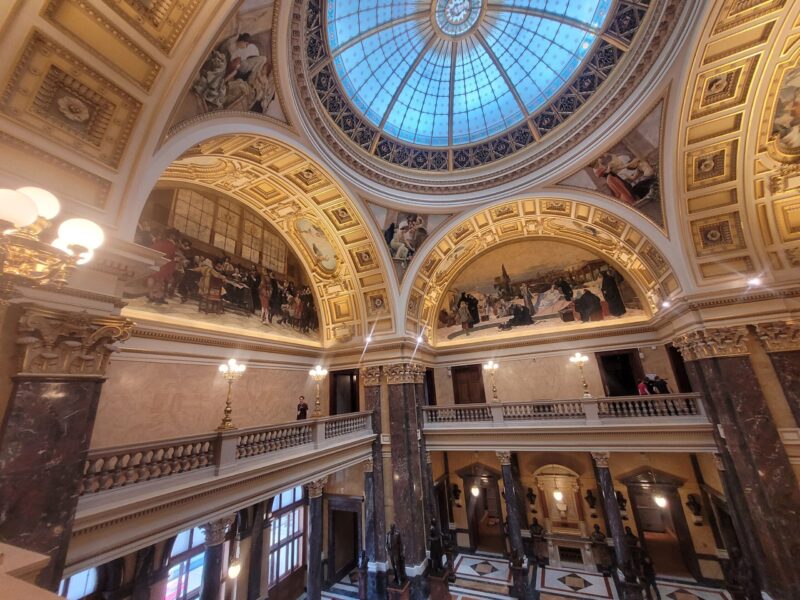
Accessibility is a critical component for many when planning a museum visit, and the great news is that many museums are taking steps to be more inclusive of those who may need accommodations. The most common accommodation relates to mobility issues, with museums providing barrier-free entrances and restrooms and gallery hallways that are easier to navigate with wheelchairs and other mobility-assistance devices. In Europe, I have come across only one museum that wasn’t wheelchair accessible: an art museum in Prague housed in a historical palace (it couldn’t be retrofitted with an elevator).
Other accommodations include Braille guides and audio descriptions for blind or low-vision visitors, along with assistive-listening resources for guests who are deaf or hard of hearing. One accommodation I’m seeing become more common supports neurodivergent visitors by providing sensory bags with noise-reducing headphones, visual aids, fidget tools, etc. Some museums have taken the extra step of offering special visiting hours with dimmed lights and stricter noise control.
Visiting the Museum
Museum Navigation
Museum navigation can be divided into two components: trip planning and the museum visit. During trip planning, it helps to review a museum’s floor map to get a sense of its size and layout. This can give you a better sense of whether you’ll need an hour or two or half a day to get through all the galleries. The floor map is especially helpful if you have limited time, since you can identify the location of your must-sees and, on the day of your visit, head straight there rather than staring at the museum map trying to figure out where to go.
My best advice for navigating a museum is that there is no “correct” way; the best path is the one that allows you to see your must-sees, minimizes museum fatigue, and gives you the best experience. Many museums let guests start anywhere, giving you the flexibility to visit the galleries with your must-sees first or go where there are fewer people. My navigation plan depends on the museum’s size. When I visit smaller museums, I generally visit the galleries in numerical order. For larger museums, my plan is best described as organized chaos. I first head to the galleries that house my must-sees to enjoy what I really want to see before museum fatigue kicks in. I then take a break and afterward meander through the remaining galleries or revisit those I skipped.
One navigation tip is to skip galleries crowded with visitors and tour groups and return later. No sense in wasting your time jumping up and down trying to catch a glimpse of a painting or display (being a short person in a crowded museum is not fun)! I jot down the galleries I want to revisit on my museum map and then return later, hoping they’re emptier.
Museum Fatigue
Museums can be fun, but they can also be exhausting. I categorize museum fatigue into two groups: physical and mental.
Physical: Some museums seemingly convert what should be a pleasant vacation experience into an intense workout of walking thousands of steps, while trying to locate the next gallery and dodging tour groups and crowds. It is important to pace yourself and take breaks throughout, especially if you plan to spend several hours at the museum. I’ve noticed that many of the larger European museums tend to have cafés, which are the perfect place to relax and reenergize. As a bonus, European coffees and sweet treats are often among the best!
Another recommendation, from personal experience, is to wear comfortable walking shoes and dress in layers. I’ve visited several museums where the temperatures were warmer than expected, and layers let you adjust if you start getting hot. Nothing wears you down faster than achy feet while you work up a sweat.
To minimize exhaustion, leave bags, jackets, and umbrellas in the museum lockers if available. This reduces the strain of carrying things around, especially if the bag is heavy.
Mental: This type of fatigue comes from museums that are essentially information overload and provide few interactive experiences (i.e., videos, hands-on displays) to break up the reading. I have visited museums that have very interesting displays, but unfortunately, when I am on vacation, I do not have the time or energy to read captions that are several paragraphs long. That is why I have started renting audio guides when available. If I run into a situation where there is too much to read, I can just use an audio guide, which tends to be more engaging, and the information may be summarized. I highly recommend this option for travelers who don’t like reading or may have trouble reading the smaller print often found in longer captions.
Amenities & Experiences
Museums are much more than just paintings and artifacts, with many enhancing the guest experience with cafés, stores, guided tours, and educational offerings.
Audio Guides: These are great resources that provide additional information, offer guidance on navigating the museum, and are generally available in several languages. In recent years, museums have moved beyond standard audio guide equipment and now provide audio guides that guests can access on their smartphones. These audio guides tend to cost an additional fee.
Remember to bring your earbuds/headphones if you plan to use your smartphone for the audio guide.
Guided Tours: Many museums offer docent-led tours, a wonderful way to better understand a museum’s history and significant works while also having the opportunity to ask questions. I have seen some museums offer these tours before they open to the public, giving participants a chance to enjoy the exhibits before the crowds arrive. These tours may cost extra, include an audio guide, or require an advance reservation.
Programs & Events: For travelers with more time and a desire for a more in-depth experience, some museums host seminars, workshops, or evening socials. These unique, fun experiences may be free, included in your regular admission ticket, or require a separate ticket.
Kid Activities: Some museums do an excellent job of appealing to all age groups and offer specially curated activities and projects for younger visitors. For example, there are museums that offer scavenger hunts, kids’ kits, story passports, or kids’ corners that keep little ones engaged and help foster their love for museums. Others provide guided tours for families or special events with a local artist or scientist.
Lockers/Cloakrooms: This amenity is a great convenience, and for the most part, the service is free or requires a small refundable deposit. Sometimes, larger lockers are available that can be shared with others in your travel group.
Eateries: Many museums have a café or restaurant where visitors can rest and recharge while exploring the galleries. In some museums, like the Kunsthistorisches (Vienna), the restaurant is an experience in itself, and wait times can be 30 minutes or longer.
When planning a visit to a larger museum, especially one in Europe housed in historic buildings, check whether its restaurant or café should be added to your itinerary.
Gift Stores: Museum gift stores are a great place to buy gifts for family and friends, since many sell items (e.g., pottery, jewelry, prints, accessories, ceramics, home goods, food items, etc.) made by local artisans. Sometimes, the stores can ship larger, heavier items to your home, eliminating the hassle of trying to fit them in your luggage.
Museum Rules
No one wants to get in trouble while on vacation, so my best recommendation is to at least skim the rules before your visit, especially since they differ between museums. The most common rules involve photography, food and drinks, bag size, and touching items on display. While many museums permit photography (without flash) for personal use, others, like El Prado, strictly prohibit guests from taking pictures or videos. Similarly, some museums do not allow tripods or selfie sticks. When it comes to food and drinks, I have seen some that permit bottled water, yet others require guests to store any drinks in a locker.
One aspect of museums that visitors need to be mindful of is the museum guards. Some stay off to the side and are relatively unobtrusive, while others will seemingly follow you around. During a visit to a museum in Prague, I was one of only a handful of guests, and one guard followed me from gallery to gallery. It was a bit unnerving, but apparently common in some European museums!
My Favorite Museums
To wrap up the guide, I am going to share some of my favorite museums from recent trips (from 2010 onward). Some of these visits happened before 2024, when I started my website, so I don’t have an associated guide. But the ones with a guide are linked, so you can learn more about the museum and plan your own visit.
United States
Colorado
Denver Art Museum
History Colorado Center (Denver)
Illinois
Institute for the Study of Ancient Cultures Museum (Chicago)
Field Museum (Chicago)
Art Institute of Chicago
Abraham Lincoln Presidential Library and Museum (Springfield)
New York
Metropolitan Museum of Art (New York City)
Europe
Austria
Kunsthistorisches Museum (Vienna)
Third Man Museum (Vienna)
Museum of Natural History (Vienna)
Czech Republic
Národní Muzeum (Prague)
Estonia
Vabamu Museum of Occupations and Freedom (Tallinn) (Guide coming soon)
Finland
Ateneum Art Museum (Helsinki)
Germany
Alte Pinakothek (Munich)
Munich Museum of Egyptian Art
Hungary
Hungarian National Gallery (Budapest)
Spain
El Prado (Madrid)
National Archaeological Museum (Madrid)
Gallery of the Royal Collections (Madrid)

Fellow travelers, leave a comment below and share your favorite museum tip.





1 COMMENT
Alicia
3 days agoExcellent information and well written!